




Add Row
Add Element
Apartment Neighborhoods News
update
Apartment Neighborhoods News
update
Add Element
  • Home
  • Categories
    • Real Tenants
    • Amenity Insider
    • Resident Resource Hub
    • Neighborly Know-How
    • Lifestyle & Décor
    • Family Niche
    • Apartment Market
    • Apartment Neighborhoods Blog
SUBSCRIBE TO NEWSLETTER 
  • update
  • update
  • update
  • update
  • update
  • update
  • update
February 05.2025
2 Minutes Read

Affordable Neighborhoods in Detroit: Discover Budget-Friendly Rentals

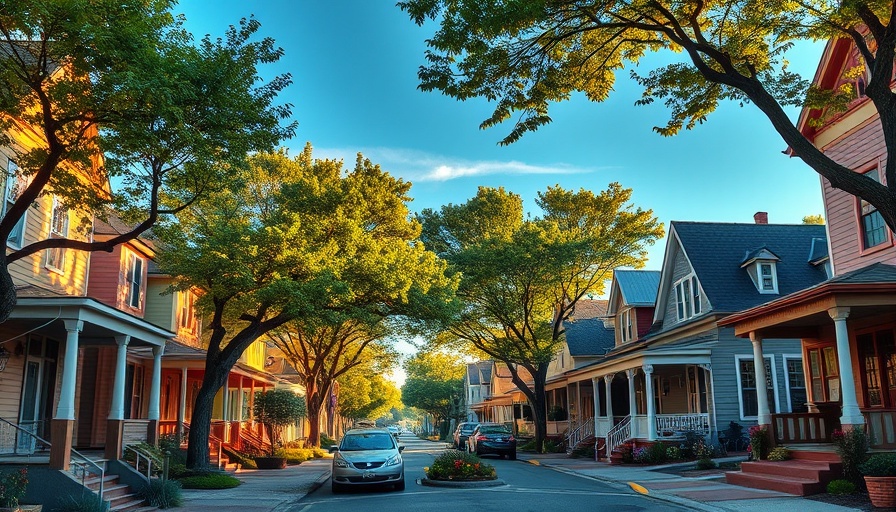
Affordable neighborhoods in Detroit with cozy houses and trees.

The Affordable Housing Landscape of Detroit

Detroit is on the rise once again, attracting renters with its affordable housing amid a vibrant cultural backdrop. Known affectionately as the Motor City, this city has been undergoing a dramatic transformation, moving from an industrial hub to a center of creativity and community. With an average rent of $1,342, renting in Detroit is far more budget-friendly compared to other large cities, making it an appealing destination for those seeking affordable living without sacrificing quality.

Exploring Detroit's Hidden Gems

Among the city's diverse neighborhoods, a few stand out as particularly affordable and high in quality of life. Let's explore some of these hidden gems:

Bagley: A Historic Charm

Located in northwest Detroit, Bagley captures the essence of community living with its charming homes and friendly residents. Here, the average rent sits around $991, providing excellent value for budget-conscious families. The Avenue of Fashion, filled with shops and local eateries, offers residents convenient access to amenities while maintaining a peaceful vibe.

Pembroke: A Budget-Friendly Retreat

Pembroke is another standout neighborhood known for its laid-back atmosphere and affordability. Perfect for families searching for a tranquil environment, this neighborhood's competitive rental prices make it an inviting option for newcomers and long-time city dwellers alike.

McNichols: The Up-and-Coming Community

McNichols is gradually gaining popularity for its mix of affordability and an evolving arts scene. As new businesses emerge, McNichols is becoming a hub for creativity and collaboration, making it an exciting place to rent and be part of the community.

Upper East Central: A Vibrant Mix

This neighborhood combines a lively atmosphere with affordable rent, making it suitable for those who enjoy social activities while keeping their budgets in check. With an average rent well below the city average, Upper East Central has become a popular choice among young professionals and families.

Hamtramck: A Cultural Mosaic

Known for its diverse population and rich history, Hamtramck offers an affordable rental market and a unique cultural experience. This vibrant community provides renters with affordable options while celebrating its cultural heritage through various festivals, restaurants, and shops.

As evident from these neighborhoods, Detroit presents a plethora of options for renters looking to make this dynamic city their home. With its mixture of affordability, culture, and community, the Motor City stands out as a prime location for those seeking a fresh start within a close-knit environment.

Neighborly Know-How

39 Views

0 Comments

Write A Comment

*
*
Please complete the captcha to submit your comment.
Related Posts All Posts
03.28.2026

Discover the Best Outdoor and Cultural Experiences in Hampton Roads for Apartment Renters

Update Exploring the Hidden Treasures of Hampton Roads Nestled along the southeastern coast of Virginia, Hampton Roads boasts a unique blend of historical significance, vibrant culture, and outdoor adventures that are a true delight for both residents and visitors alike. This area, which includes popular cities like Virginia Beach, Norfolk, and Williamsburg, is not only rich in history but also presents a growing metropolitan vibe that caters exceptionally well to family lifestyles. Reconnecting with Nature Life in Hampton Roads revolves around its beautiful natural landscapes and waterways. Residents regularly share their love for outdoor activities. Rae Carson from CGP Real Estate Consulting highlights that places like the Virginia Beach oceanfront and First Landing State Park are essential for spending quality time outdoors. With numerous biking trails, secluded beaches, and opportunities for kayaking and jet skiing, the area is a paradise for adventure seekers and families. This access to nature not only promotes health and happiness but also fosters community bonds with neighbors who share an appreciation for the great outdoors. Immersive Historical Experiences Hampton Roads is steeped in history, with attractions that transport you back to formative moments in American culture. Visiting Colonial Williamsburg offers an immersive look into life during the 18th century, where costumed interpreters re-enact daily activities and bring the colonial experience vividly to life. Additionally, iconic sites such as the Fort Story lighthouses and the Nauticus Naval Museum allow residents and visitors to appreciate the naval heritage that shaped the region. Carson mentions these sites not just for their educational value, but for the captivating stories that make history feel relevant and engaging. Family-Friendly Adventures Await Families find a cornucopia of engaging activities in Hampton Roads. The Hunt Club Farm offers a free, interactive experience with friendly farm animals, perfect for younger visitors. Carson notes how their boys love returning to the farm, creating cherished memories. Free and affordable events are plentiful in the area, showcasing local festivals that offer wholesome family fun year-round. For those who enjoy a mix of history, education, and entertainment, museums like the Children’s Museum of Virginia ensure days are well-spent away from home. Experience Local Culture and Community The communal spirit of Hampton Roads is palpable, with events like local farmers markets, art walks, and seasonal festivals emphasizing the area’s rich social connections. The community often invites newcomers and renters to engage in local traditions that foster a sense of belonging, which is especially attractive to apartment renters looking to establish roots. Connecting with neighbors not only enriches daily life but also makes exploring the city feel like participating in a friendly, ongoing celebration. A Culinary Landscape Worth Exploring The culinary scene in Hampton Roads reflects its diverse cultural influences and fresh, local ingredients. From seafood shacks along the coast to ethnic cuisines represented in vibrant food markets, there are endless dining options to satisfy any palate. Embarking on a food-centric day out can include sampling local beers at craft breweries or trying unique dishes at popular restaurants like Repeal Burgers. This ongoing exploration of flavors keeps residents excited about local dining. Hampton Roads is not just a picturesque locale; it’s a living, breathing community with rich narratives and experiences embedded in everyday life. If you’re considering a place to settle or are simply looking for an exciting weekend getaway, exploring what the locals love about Hampton Roads can provide a wealth of inspiration. To discover more about the engaging activities and vibrant life in Hampton Roads, connect with your local community today and find your next adventure!

03.26.2026

Unlocking the Power of Rent Receipts: Your Essential Guide as an Apartment Renter

Update Why Rent Receipts Matter: More Than Just Proof of Payment For apartment renters, understanding the importance of a rent receipt goes beyond receiving a simple acknowledgment of a payment made. It serves as your solid defense in fostering a better tenant-landlord relationship, and it is a bulwark against misunderstandings. A rent receipt is the binding evidence that confirms your financial commitments and helps safeguard your rights as a tenant. Essential Elements of a Reliable Rent Receipt A polished rent receipt should contain key elements that remove ambiguities and enhance transparency within the rental agreement. Specifically, you should expect to find: Tenant's Name: Your full name should be clearly stated. Landlord's Name: The complete name of the landlord or property manager. Rental Property Address: The address of the property being rented. Date of Payment: When you made the payment. Amount Paid: The overall amount that was paid. Payment Method: Whether payment was made via cash, credit, or digital portals. Rental Period: Details about the period covered by this specific payment. Additional Notes: Any other relevant notes, such as late fees or partial payments. These elements ensure both parties can keep a clean and organized record, reducing conflicts down the line. Interpreting Your Rent Receipt: Key Insights Learning how to properly interpret your rent receipt is crucial. Start by verifying crucial details like the payment amount and date. These details should align perfectly with what you've recorded. Especially watch out for discrepancies in the rental period listed, as this indicates which month or period your payment pertains to. A clear understanding here can significantly alleviate disputes in the future. Keeping Your Rent Receipts Organized Organization is key for effective record-keeping. A simple system can save you a lot of hassle. Immediately save your receipts in a designated folder—digitally or physically—labeled by month and year. This way, you'll always have your payment documentation readily accessible. Regularly reviewing your receipts not only helps in budgeting but also provides a concrete record in case any events, like rental disputes or tax claims, occur. Many states also recommend retaining rent receipts for at least one to three years, particularly if you are eligible for tax credits or other financial reimbursements. Common Misconceptions About Rent Receipts Many tenants mistakenly believe that receipts are only necessary for cash payments. Contrary to this myth, all rent payments—whether made via check, direct debit, or online transfers—should be accompanied by a receipt. Having this documentation ready is essential for addressing any future disagreements or enhancing your financial credibility. Take Control of Your Rental Experience Proactively obtaining and organizing your rent receipts can empower you in your rental journey. By ensuring clear communication and maintaining transparent records, you enhance not only your experience but the overall relationship with your landlord. As an apartment renter, leveraging these small but powerful tools can lead to a more harmonious and hassle-free living situation. For all new and seasoned renters, take control of your renting experience today by understanding the importance of these receipts and diligently managing them. They are your safety net in navigating the often complex landscape of rental agreements.

03.25.2026

Exploring the Office-to-Apartment Conversion Boom: 90K Rentals Ahead

Update Office Spaces Reimagined: A New Era of Housing In a rapidly changing marketplace, the conversion of empty office buildings into apartments is becoming a lifeline for many cities grappling with housing shortages. Recent reports indicate that there are over 90,000 rental units currently on track to transform from traditional office spaces into vibrant living environments, marking a 28% increase from just a year ago. This shift represents a significant response to the ongoing imbalance in the office sector, exacerbated by the lasting impacts of the COVID-19 pandemic. Rising Demand Meets Creative Solutions As the director of Yardi Research, Peter Kolaczynski notes, the commercial real estate landscape has changed dramatically. A national office vacancy rate nearing 20% and occupancy levels plummeting to about 50-55% indicate a desperate need to repurpose underutilized properties. Major urban areas like New York City, Washington, D.C., and Chicago are leading the charge with thousands of units in various stages of conversion. Notably, the New York metro area stands out with over 16,000 apartments in transition. The Economic Case for Conversions Investors and city planners alike are seeing the potential for profit and community revitalization. The fact that nearly half of future adaptive reuse projects consist of office-to-apartment conversions starkly illustrates this turn of events. Unlike traditional construction ventures, converting existing office buildings can be accomplished with significantly lower costs, often reducing overall development expenses. However, many of these conversions take years to see fruition due to numerous hurdles including financing challenges and local regulations. Co-Living Options: A Fresh Approach to Affordability As communities explore solutions, new models like co-living microapartments gain traction. These units not only address affordability but also cater to a diverse demographic seeking flexible urban living arrangements. The Pew Charitable Trusts, collaborating with architecture firm Gensler, outlines how this approach could effectively provide necessary housing while capitalizing on underused space in prime locations. The Path Forward: Navigating Challenges Despite the clear necessity of these conversions, there are still significant barriers to overcome. Factors such as outdated building layouts, high construction costs, and stringent local regulations can slow progress. Some cities, like Los Angeles, are implementing adaptive reuse initiatives to streamline processes and increase conversion success rates. Regulatory challenges remain, but with creative strategies and persistent advocacy, these obstacles can be addressed. Community Impact and Future Implications The revitalization of urban spaces through office-to-apartment conversions not only addresses the housing crisis but also reinvigorates community life. A healthier residential landscape means better connections within urban neighborhoods, helping to foster stronger community ties. As more office buildings look towards transformation, the potential for a more livable and sustainable urban environment is within reach. For renters, these changes can lead to more affordable living spaces in desirable downtown areas. Exploring these options opens doors not only to new homes but also to a vibrant lifestyle within these reimagined spaces. As new developments roll out, apartment renters should stay informed about the latest offerings in their neighborhoods. By actively participating in new rental opportunities and advocating for continued conversion projects, renters can be part of a transformative movement that reshapes urban living for generations to come. Stay tuned for more updates on adaptive reuse projects and how they affect housing availability, as this trend opens new chapters in city living.

Terms of Service

Privacy Policy

Core Modal Title

Sorry, no results found

You Might Find These Articles Interesting

T
Please Check Your Email
We Will Be Following Up Shortly
*
*
*


