




Add Row
Add Element
Apartment Neighborhoods News
update
Apartment Neighborhoods News
update
Add Element
  • Home
  • Categories
    • Real Tenants
    • Amenity Insider
    • Resident Resource Hub
    • Neighborly Know-How
    • Lifestyle & Décor
    • Family Niche
    • Apartment Market
    • Apartment Neighborhoods Blog
SUBSCRIBE TO NEWSLETTER 
  • update
  • update
  • update
  • update
  • update
  • update
  • update
April 29.2025
3 Minutes Read

Experience the Exciting Transformation at Central Park's New Davis Center

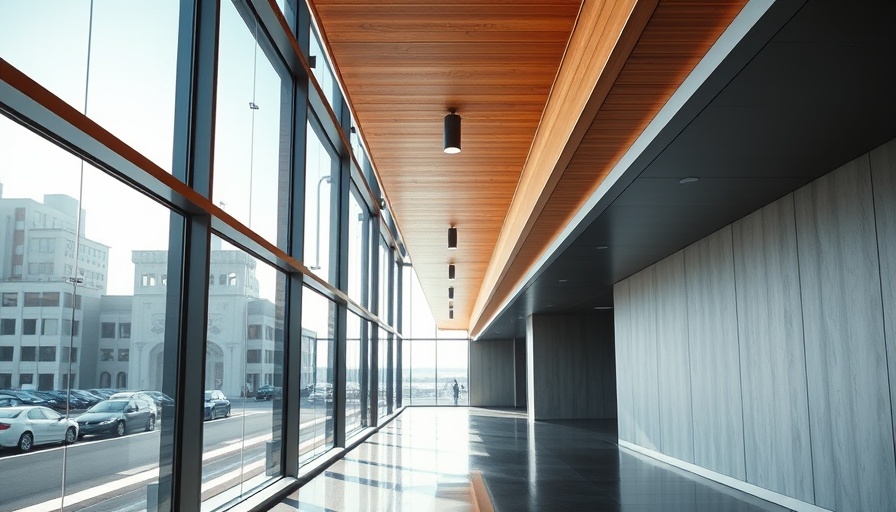
Davis Center Central Park modern hallway with glass and wood design.

Revitalizing Central Park: A New Era for Recreation

In the quest for a greener, more engaging urban landscape, Central Park's recent transformation with the opening of the Davis Center signifies a renewed dedication to community and recreation. Once a neglected corner dominated by a concrete rink and pool, this area has been reimagined into an inviting space, blending nature and leisure for all New Yorkers.

The Story Behind the Davis Center

The original Lasker Memorial Rink and Pool, established in the 1960s, was a concrete monstrosity that not only detracted from the beauty of the park but also failed to serve the community effectively. It disrupted the natural flow of the Harlem Meer, encroaching upon the park's vital landscape. Fast forward to today, and the new Davis Center stands as a testament to urban renewal, created with thoughtful architecture by Susan T. Rodriguez and Mitchell Giurgola. This facility showcases not just a new rink and pool, but a strong commitment to environmental aesthetics that benefits the park’s ecosystem.

Community and Environmental Impact

The Davis Center emphasizes accessibility with pathways that meander throughout the site, allowing easy navigation for all, including wheelchair users. This inclusive environment reflects a growing movement within urban development focused on both sustainability and community unity. The project integrates natural elements like greenery on the roof, enhancing the overall aesthetics while also promoting biodiversity. With its $160 million investment, the center is poised to become a central hub for both recreation and local connection, reversing years of civic neglect.

Transformative Features of the New Center

One of the standout features of the Davis Center is the dual-purpose swimming pool, which will convert into an ice-skating rink during the winter months. This innovative approach not only maximizes the utility of the space but also adapts to seasonal needs for recreational activities. Furthermore, by maintaining affordable access to the pool and modest skating fees, this center stands to benefit a wide array of neighbors, fostering inclusivity in leisure.

Why This Matters: An Opportunity for Families

The revitalization of Central Park's Davis Center presents an incredible opportunity for families looking for recreational outlets. Beyond enjoying the open-air environments and recreational facilities, these spaces will provide a venue for community events, encouraging residents to come together in a welcoming atmosphere. This shift represents a growing realization of the importance of accessible green spaces, where families can make lasting memories, from swimming together in the summer to enjoying ice-skating adventures in the winter.

Keeping the Spirit Local

Perhaps most importantly, the Central Park Conservancy has committed to managing the facility rather than handing it off to private companies, ensuring that the spirit of the park remains community-oriented. While corporate interests can sometimes overshadow local needs, the Conservancy's management promises that the center will focus on keeping prices reasonable and accessible for residents. This embraces the essence of what Central Park has always represented: a shared refuge for all New Yorkers.

Conclusion: A Greener Future Awaits

The opening of the Davis Center is not just about planting another structure in Central Park; it embodies a transformation rooted in community engagement and environmental responsibility. As a resident of the area, you can take pride in the new facilities that enhance your lifestyle, fostering a greater attachment to the natural beauty around you. Let’s embrace this new chapter in Central Park together, encouraging our families to engage with the space and find joy in both the pool and the rink.

Lifestyle & Décor

46 Views

0 Comments

Write A Comment

*
*
Related Posts All Posts
02.26.2026

Kanye West's Toilet-Free Mansion: A Lesson for Apartment Renters

Update Kanye West's Unconventional Home Vision: Off-the-Grid Living Kanye West's venture into homeownership has always been mired in controversy and unorthodox decisions. One of the most eye-catching has been his purchase of the luxurious Tadao Ando mansion in Malibu for $57.3 million, which he subsequently attempted to transform into an "off-the-grid shelter." According to court documents from a recent trial, West's renovation plan was so extreme that it included removing toilets altogether, suggesting that inhabitants would resort to a 'hole in the ground' for their bathroom needs. This peculiar demand has raised eyebrows not just because of its impracticality, but due to its reflection on West's mindset during a tumultuous period of his life. The Man Behind the Renovations: Tony Saxon At the heart of the situation lies Tony Saxon, the individual hired by West to carry out these extreme renovations. Tasked with gutting the mansion, Saxon claimed he lived on-site to protect the property during the extensive work. He not only cleared away marble and custom cabinetry but also allegedly worked under dangerous conditions. Saxon has since taken West to court, demanding over $1 million for unpaid wages and for personal injuries he claims to have sustained while working in the unsafe environment. Real Estate Gone Wrong: The Fallout The aftermath of this bizarre renovation has left many asking: What happened to the $57 million mansion? Following West's radical alterations, the property swiftly went back on the market for a reported $53 million, leading to a significant financial loss for the rapper. The downturn in value emphasizes the financial implications of his outlandish renovation choices, making it a cautionary tale for potential buyers and renters alike. How This Story Relates to Apartment Renters While Kanye West's lavish lifestyle might seem worlds apart from the average apartment renter, this story highlights the importance of understanding one’s living environment. For renters, the need for functional and safe living conditions is paramount. This saga serves as a reminder that a good home isn’t just about aesthetics; it requires practical comforts like plumbing and proper maintenance—even in celebrity circles. Moving Forward: Lessons for Buyers and Renters This courtroom drama brings to light several key takeaways for everyday renters and property seekers. First, always conduct due diligence on property conditions and contractor qualifications before embarking on any renovations. Second, prioritize safety and functionality in any home environment, rather than overly ambitious designs that could lead to severe repercussions. As the trial unveils more details about Kanye's intentions, it becomes clear that living situations—whether in a mansion or a modest apartment—should emphasize comfort and safety. Renters need not lose sight of these basics, regardless of the allure of a stylish living space.

02.24.2026

How ICE's Secrecy Impacts Apartment Renters in New York

Update Understanding the Shadowy Presence of ICE in Our Neighborhoods In the bustling life of New York City, where apartment renters often face the challenges of urban living, there exists an entity that operates largely in silence and secrecy — Immigration and Customs Enforcement (ICE). The agency’s oppressive presence permeates communities, yet many residents remain unaware of its extensive operations within their very neighborhoods. What to Know About ICE’s Expansion Plans Recently, ICE has been aggressively expanding its operations across the New York metropolitan area, with plans that could substantially increase its visibility in everyday life. With over $38 billion earmarked for acquiring various nontraditional detention facilities, apartment renters may soon find themselves living near new detention centers that disrupt community harmony. The expansion isn’t just physical; it instills a sense of unease in residents who worry about the implications for their neighborhoods. Connecting the Dots: Facility Locations and Community Impact ICE's existing infrastructure in New York includes field offices at 26 Federal Plaza and various immigration courts, translating into a harsh reality for many immigrant families. For example, one man shared his harrowing experience after being detained at the Metropolitan Detention Center for seven months, highlighting the emotional and psychological impacts of such facilities on individuals and their communities. These stories resonate deeply with apartment renters, reminding them that nearby businesses and organizations—whether a Hilton or a Marriott—may be enabling the agency's operations. Community Voices: Protests and Discussions As whispers of ICE activity circulate in casual neighborhood conversations, many residents are taking a stand. Local protests erupted around the Hilton in Tribeca, showcasing that communities are becoming increasingly vocal against such operations. For renters looking for a more supportive and inclusive atmosphere, these actions serve as a testament to the power of grassroots movements that fight for justice and transparency in their localities. Creating Awareness and Encouraging Advocacy The introduction of new ICE facilities into traditionally welcoming neighborhoods raises pressing questions. One is how apartment renters can engage in community efforts to advocate for their rights and the rights of their neighbors. Residents can take part in local discussions, find ways to connect with advocacy groups, and amplify their voices with elected officials to fight against policies that breed fear and division. Your Role in the Neighborhood Living in an urban environment means navigating both the joys and challenges that come with it. As apartment renters, it's crucial to understand the implications of agencies like ICE in our communities. Stay informed, share your experiences, and help foster an atmosphere where everyone feels welcome and safe. Being proactive can help steer local policies toward human rights and fairness.

02.22.2026

Transform Your Rental: Design Insights from Clinton Hill’s Dynamic Loft

Update Discovering Clinton Hill: A Colorful Journey of Style When Kiki Goti and Vincent Staropoli moved into their vibrant 1,000-square-foot loft in Clinton Hill, they found more than just a place to call home; they discovered a canvas for their creative aspirations. Initially, they expected to merely reside in this charming Brooklyn neighborhood but soon transformed it into a co-working space where both partners could thrive creatively. A Space That Speaks to the Soul Kiki, a design teacher with roots in Greece, and Vincent, a French director, shifted gears to start their own design studio, aptly named House Special Studio. Their loft became the first project of their business venture, reimagined to encompass both personal living and professional workspace. A bright yellow wraparound in the living room was a design decision that exemplified their blend of personal and working life. This color choice, initially overwhelming, ultimately became a warm, inviting backdrop for their home. Lessons for Apartment Renters: Embrace Creativity For apartment renters, Goti and Staropoli's story offers inspiring insights into making rental spaces uniquely personal. The couple emphasizes the value of creativity in transforming a rental. Kiki's unapologetic maximalism, characterized by vivid colors and unique design pieces, invites renters to embrace bold decisions. Much like in Reference Article 2 about Christina Nielsen's layered English designs, the emphasis here is on personalized touches that make a space feel lived-in and welcoming. Building a Productive Sanctuary Their journey also highlights how adapting indoor spaces for productivity can seamlessly blend work and life. With their desks positioned thoughtfully within the loft, they found a perfect balance that maximized their ability to work from home. Such arrangements can resonate with many renters today, especially as more people explore remote work options. Social Connections and Community Beyond aesthetics, their home symbolizes the importance of community and social connections in a vibrant neighborhood like Clinton Hill. As Kiki reflects on the design process, it becomes clear that every color, texture, and item they chose speaks to their experiences and shared life together. This sense of belonging can be crucial for those seeking rental spaces that foster connection and creativity. Future Design Trends: The Rise of Personalization The growing trend of personalizing rental spaces suggests a shift in how people view apartment living. As more renters aspire to create inviting and expressive homes, the lessons from Goti and Staropoli could pave the way for a future where rental spaces reflect personal stories and artistic expression. Goti and Staropoli's approach teaches us that living in a rental doesn't mean compromising on style or spirit. For apartment renters looking to create their sanctuary, embracing creativity, color, and personal touch can transform any space into a true home. Renters, take inspiration from Kiki and Vincent. Elevate your space, make bold design choices, and instill your unique personality into your apartment.

Terms of Service

Privacy Policy

Core Modal Title

Sorry, no results found

You Might Find These Articles Interesting

T
Please Check Your Email
We Will Be Following Up Shortly
*
*
*


