




Add Row
Add Element
Apartment Neighborhoods News
update
Apartment Neighborhoods News
update
Add Element
  • Home
  • Categories
    • Real Tenants
    • Amenity Insider
    • Event Hub
    • Neighborly Know-How
    • Lifestyle & Décor
    • Family Niche
    • Apartment Market
    • Apartment Neighborhoods Blog
SUBSCRIBE TO NEWSLETTER 
  • update
  • update
  • update
  • update
  • update
  • update
  • update
February 20.2025
3 Minutes Read

Explore Philip Johnson's Iconic Wolfhouse: A Architectural Marvel in Newburgh

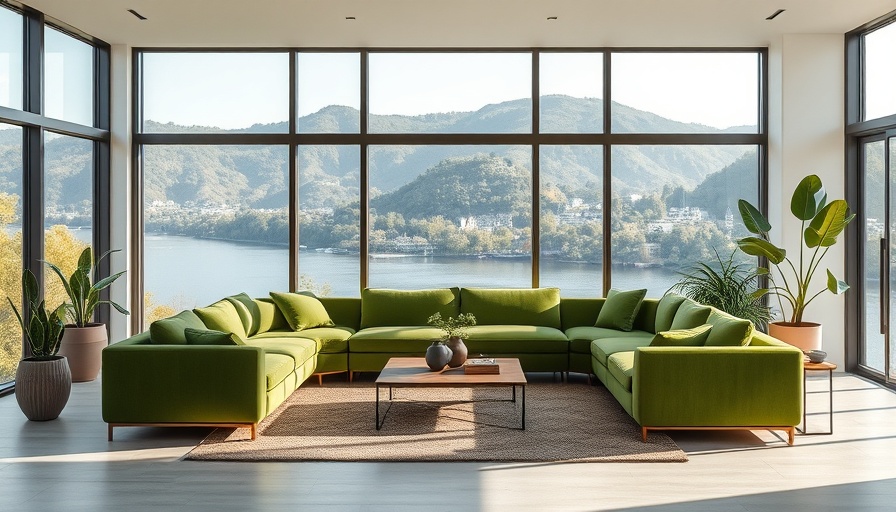
Modernist home living room with green sofas and large window view

A Hidden Gem: Discovering Philip Johnson's Wolfhouse in Newburgh

Sometimes, the most fascinating architectural stories lie quietly in the suburbs. One such story comes from Newburgh, New York, where a stunning Philip Johnson-designed home, known as the Wolfhouse, has recently made headlines with its extraordinary renovation and hefty price tag of $2.9 million. Originally constructed in the 1940s, Wolfhouse is not just an architectural wonder but a significant piece of cultural history.

Restoration Unveils Architectural Mastery

After being discovered in disrepair five years ago, a team of creative preservationists, Jeremy Parker and Jiminie Ha, took on the monumental task of restoring this classic Mid-Century Modern marvel. Their meticulous efforts spanned four years and cost about $1 million. Utilizing original blueprints found at Columbia University's library, they had a clear guideline for their restoration journey, which included replacing the facade with cypress wood and redesigning the kitchen with sustainably sourced USM Modular furniture.

As Parker noted, "We wanted to lead with smart sustainability at the forefront of our practice... not creating more waste but working with what we already have." This commitment to sustainability highlights a trend in modern real estate—restoring rather than replacing, giving homes new life while being eco-conscious.

Cultural Significance and Community Engagement

Beyond its architectural splendor, the Wolfhouse serves as a cultural center and Airbnb, aiming to bridge gaps in the community. This initiative was particularly poignant considering Johnson's controversial past, including his troubling affiliations during World War II. The current owners are eager to open dialogues about such histories, creating a space for underrepresented voices, especially within the LGBTQ+ and BIPOC communities.

As noted in one of the reference articles, opening the home for community events not only breathes life into the property but also underscores the importance of inclusivity in spaces often steeped in exclusivity.

A Broader Conversation About Historic Preservation

The Wolfhouse stands as a testament not just to the elegance of Mid-Century design but to the ongoing conversation surrounding historic preservation. As cities evolve, the balance between preserving the past while accommodating future demands becomes increasingly complex. Parker, sharing his insights, emphasizes the significant role architecture plays in narrating a community's story.

While restoration of historical properties can often provoke debates about the loss of original character or displacement of local histories, the Wolfhouse exemplifies a model where restoration honors the past while actively engaging the community today.

The Real Estate Landscape: A Shift Towards Unique Properties

This burgeoning interest in unique, beautifully restored homes is reflective of a larger trend within real estate. Buyers are increasingly drawn to properties that call back to a rich history and aesthetic—each telling a story, like that of Wolfhouse itself. As the market grows increasingly competitive, homes designed by prominent figures such as Philip Johnson offer both a sound investment and a slice of cultural heritage.

With every ounce of historic charm meticulously revived, potential buyers now have a chance to own more than just a property; they have the opportunity to be a part of its ongoing narrative.

Wrapping Up: A Modern Choice with Deep Roots

The Wolfhouse's re-emergence onto the real estate market, especially in a post-pandemic world where the allure of spacious, serene living away from urban chaos is ever-increasing, offers a unique opportunity. Homeownership here means more than just living in architectural beauty; it also means participating in a dialogue about history, culture, and community growth.

As the story of Wolfhouse unfolds, it promises to inspire conversations not just among realtors and buyers, but also within the very fabric of Newburgh's diverse community. Whether you're eyeing a unique property, interested in architecture, or simply seeking a picturesque place to settle, the Wolfhouse offers a compelling option worth considering.

Lifestyle & Décor

42 Views

0 Comments

Write A Comment

*
*
Related Posts All Posts
02.22.2026

Transform Your Rental: Design Insights from Clinton Hill’s Dynamic Loft

Update Discovering Clinton Hill: A Colorful Journey of Style When Kiki Goti and Vincent Staropoli moved into their vibrant 1,000-square-foot loft in Clinton Hill, they found more than just a place to call home; they discovered a canvas for their creative aspirations. Initially, they expected to merely reside in this charming Brooklyn neighborhood but soon transformed it into a co-working space where both partners could thrive creatively. A Space That Speaks to the Soul Kiki, a design teacher with roots in Greece, and Vincent, a French director, shifted gears to start their own design studio, aptly named House Special Studio. Their loft became the first project of their business venture, reimagined to encompass both personal living and professional workspace. A bright yellow wraparound in the living room was a design decision that exemplified their blend of personal and working life. This color choice, initially overwhelming, ultimately became a warm, inviting backdrop for their home. Lessons for Apartment Renters: Embrace Creativity For apartment renters, Goti and Staropoli's story offers inspiring insights into making rental spaces uniquely personal. The couple emphasizes the value of creativity in transforming a rental. Kiki's unapologetic maximalism, characterized by vivid colors and unique design pieces, invites renters to embrace bold decisions. Much like in Reference Article 2 about Christina Nielsen's layered English designs, the emphasis here is on personalized touches that make a space feel lived-in and welcoming. Building a Productive Sanctuary Their journey also highlights how adapting indoor spaces for productivity can seamlessly blend work and life. With their desks positioned thoughtfully within the loft, they found a perfect balance that maximized their ability to work from home. Such arrangements can resonate with many renters today, especially as more people explore remote work options. Social Connections and Community Beyond aesthetics, their home symbolizes the importance of community and social connections in a vibrant neighborhood like Clinton Hill. As Kiki reflects on the design process, it becomes clear that every color, texture, and item they chose speaks to their experiences and shared life together. This sense of belonging can be crucial for those seeking rental spaces that foster connection and creativity. Future Design Trends: The Rise of Personalization The growing trend of personalizing rental spaces suggests a shift in how people view apartment living. As more renters aspire to create inviting and expressive homes, the lessons from Goti and Staropoli could pave the way for a future where rental spaces reflect personal stories and artistic expression. Goti and Staropoli's approach teaches us that living in a rental doesn't mean compromising on style or spirit. For apartment renters looking to create their sanctuary, embracing creativity, color, and personal touch can transform any space into a true home. Renters, take inspiration from Kiki and Vincent. Elevate your space, make bold design choices, and instill your unique personality into your apartment.

02.19.2026

Discover the Shirley Chisholm Rec Center: A New Hub for Apartment Renters

Update Transforming Community Spaces: The Shirley Chisholm Recreation Center Located in the heart of East Flatbush, the newly opened Shirley Chisholm Recreation Center is redefining community engagement across Brooklyn. Named after the trailblazing congresswoman, this stunning facility is a blend of functionality and artistic design, showcasing how public architecture can serve local needs while fostering a sense of belonging. Why This Rec Center Matters More Than Ever For apartment renters in East Flatbush, this rec center is more than just another gym; it’s a hub for connection and opportunities. Designed by Studio Gang, the Shirley Chisholm Center spans an impressive 74,000 square feet and features amenities like a competition-sized swimming pool, a state-of-the-art gym, and specialized program rooms for youth activities. Given the diversity of this neighborhood, the center stands as a welcoming environment for individuals and families alike. Embracing Inclusivity Through Design The architectural philosophy behind the center promotes inclusivity, reflecting the multifaceted community it serves. From large arched windows flooding the interior with natural light to carefully designed spaces that encourage movement and interaction, every detail has been considered. The cheerful lobby provides highlights of local art and serves as a relaxation lounge, a great spot for apartment renters to meet and connect after workouts. What Makes This Center Unique? Unlike typical recreational sites, the Shirley Chisholm Recreation Center comes equipped with modern perks that resonate well with younger residents. It features a learning kitchen, podcast booths, and a dance studio, catering to various interests and age groups. Such amenities are especially appealing to apartment renters looking for ways to engage with their community beyond the confines of their homes. A Reflection of Community Values Art also plays a significant role here, with works by local artists integrated into the building’s design. These creations not only beautify the space but also deepen the connection residents feel to the center. For renters, such community-focused designs enhance the living experience in East Flatbush, offering them a sense of pride and ownership where they live. Future Opportunities for Local Engagement The center is more than just a recreational facility; it provides after-school programs, workshops, and cultural events, integral for fostering community spirit. As apartment renters engage with these offerings, they can build networks and friendships, making urban life more fulfilling. This focus on communal activities aligns perfectly with the desires of modern urban dwellers who seek connectivity within their neighborhoods. In a city where many residents live in solitary apartment units, the Shirley Chisholm Recreation Center stands as a beacon of hope for revitalization and community spirit. For those renting nearby, the center represents an opportunity to not only break the routine of daily life but also to forge lasting connections that make a difference in their everyday experiences. If you’re in the East Flatbush area and looking to connect with your community, make sure to check out the Shirley Chisholm Recreation Center. Your next outing may just spark an inspiring connection!

02.18.2026

Who Will Tackle the Snow-Poop Crisis in Our Neighborhoods?

Update Understanding the Dog Waste DilemmaAs winter settles in, the sidewalks of our neighborhoods can become a treacherous mix of snow and hidden dog poop, creating an unsightly and potentially hazardous environment for apartment renters and dog owners alike. The unseen dangers lurking beneath the snow extend beyond just visual displeasure; they pose serious health risks. Harmful bacteria and parasites are often found in dog feces and can linger long after the snow melts, making proper disposal crucial.The Environmental and Health ImplicationsMany may think that winter weather makes it acceptable to forgo cleanup, but ignoring dog waste can lead to significant environmental pollution. Just as summer rains wash away accumulated debris, spring thaws can cause dog waste to flow into local waterways, affecting water quality and local ecosystems. As Curbed notes, keeping our community clean is a shared responsibility; every pet owner holds a key role in ensuring the well-being of both their pets and the environment.Community Responsibility: A Shared EffortThe consequences of neglecting to scoop your dog's poop in winter are manifold. Not only can pet waste contribute to the spread of diseases like E. coli and Salmonella, it can also lead to disturbances in community harmony. Communities often have regulations in place that call for pet owners to maintain cleanliness, and the lack of compliance can lead to neighborly tensions and complaints. As highlighted in Golden Valley, MN, even when it gets cold, the responsibility doesn’t disappear.When Snow Falls, the Stakes RiseWhile it may seem easy to let nature take its course during the winter months, experts agree that not cleaning up pet waste can have long-lasting effects. The bacteria in dog poop can survive under snow cover, waiting for the next thaw to spread into local ecosystems. In addition, a financial burden can arise if community guidelines are not followed, leading to potential fines for negligent pet owners.Tips for Apartment RentersFor apartment renters who may feel confined without a yard, the responsibility of cleaning up after dog walks becomes even more apparent. Here are some actionable insights to remember:Always carry poop bags: Making it a habit to carry bags during walks can streamline the cleanup process.Find designated disposal spots: Many apartment complexes have specific areas for waste disposal. Knowing these spots can help keep your surroundings tidy.Consider pet waste services: If hassle-free service is preferred, companies like Poo Pickers can provide regular cleanup services, ensuring your dog remains happy and healthy without the worry of leftover messes.Embracing Community ValuesThe challenge of keeping our sidewalks and parks free from dog poop is heavy, but it's one that can be lightened through concerted efforts within the community. By engaging with fellow renters and participating in local pet-cleanup initiatives, you can foster a sense of collective responsibility that uplifts your neighborhood.Next time snow falls, remember that every effort counts when it comes to maintaining clean spaces for your pets and your community. Taking the time to clean up after your dog not only protects local wildlife and waterways but also strengthens ties with your neighbors. After all, exchange of kindness is the heart of every great community.

Terms of Service

Privacy Policy

Core Modal Title

Sorry, no results found

You Might Find These Articles Interesting

T
Please Check Your Email
We Will Be Following Up Shortly
*
*
*


