







Imagine this: It’s move-in day in your new Charlotte apartment, keys in hand, excitement high—but as you step inside, you spot a cracked window, a leaky faucet, and stained flooring you hadn’t noticed before. Moments like these are why having an apartment inspection checklist in hand isn’t just smart—it’s essential for every renter hoping to protect both their deposit and their peace of mind. This guide walks you through exactly what to check, document, and ask for before you sign or settle in, so you can focus more on neighborhood adventures and less on unexpected surprises.
Why Every Renter Needs an Apartment Inspection Checklist
Transitioning into a new apartment can be overwhelming, especially in competitive neighborhoods like South End or NoDa in Charlotte. Without a thorough apartment inspection checklist, you’re not just risking your security deposit; you’re opening the door to undisclosed damages and maintenance headaches that aren’t always obvious at first glance. Experienced property managers—much like a general manager hseq trained in asset tracking—know the value of documentation and why completing a checklist boosts your completion rate of identifying problems early.
From catching water damage in the bathroom through HACCP logs-style note-taking, to tracking faulty appliances in the kitchen just as you would assets for food safety compliance, the right approach protects you from surprises and gives you leverage for repairs. That means not only hours saved but also paper saved per audit because your organized approach prevents disputes down the line. In a city where apartments fill fast, being proactive with a detailed checklist ensures you feel empowered, not rushed—making your transition smooth and worry-free, no matter the neighborhood or apartment age.

What You'll Learn from This Apartment Inspection Checklist
Key steps to a thorough apartment inspection
What to look for in every room
Common red flags that signal potential issues
Tips for documenting inspection findings
Answers to the most pressing questions renters ask before inspections
Scenario: Walking Through Your New Apartment—What to Expect
The Charlotte rental market moves fast, but your apartment inspection should be deliberate. Upon arrival, you’ll be greeted by an agent or property manager ready to hand over keys, but before excitement drags people straight to furniture plans, a careful walkthrough is crucial. Begin at the entryway, noting every detail, just as a manager hseq would with logs digitized for asset tracking—doors, locks, flooring, and lighting. This initial scan establishes a baseline, helping avoid disputed claims later about stock loss or the reduction in stock of functional fixtures.
As you move from one room to the next, use your checklist like a general manager reviews HACCP logs—track completion rate room by room. Note all cosmetic, structural, and functional conditions, and don't hesitate to ask about any concerns. If you're in a building spotlighted in local neighborhood intelligence reports (like Uptown’s new developments or Plaza Midwood’s historic apartments), consider unique features—older buildings may hide red flags beneath their charm, as expert voices often caution. Document these specifics, and remember—the more organized you are now, the more confident you’ll be throughout your tenancy.
For a deeper dive into practical steps you can take during your walkthrough, including how to spot hidden issues and negotiate repairs, check out the latest tips and checklists featured on Apartment Neighborhoods News. Their resources can help you refine your inspection process and ensure nothing gets overlooked.
"The best way to protect your security deposit is by using a detailed apartment inspection checklist—and keeping detailed documentation from day one." — Local Charlotte Property Manager

The Ultimate Apartment Inspection Checklist: Room-by-Room Guide
Entryway & Doors
Living Room & Common Areas
Kitchen: Appliances, Plumbing, Cabinets
Bedrooms: Closets, Windows, Flooring
Bathrooms: Fixtures, Ventilation, Water Pressure
Laundry Areas (if applicable)
Heating, Cooling, and Electrical Systems
Balcony/Patio/Outdoor Spaces (if applicable)
Smoke Detectors & Safety Features
Apartment Inspection Checklist Table: What to Check By Room
Room/Area |
What to Inspect |
Red Flags |
|---|---|---|
Entryway |
Locks, doors, intercom |
Broken locks, gaps around door |
Living Room |
Windows, lighting, outlets |
Cracked windows, faulty lights |
Kitchen |
Appliances, sink, cabinets |
Leaky sink, non-working appliances |
Bathroom |
Toilet, shower, mold |
Water damage, stained grout |
What to Document During Your Apartment Inspection
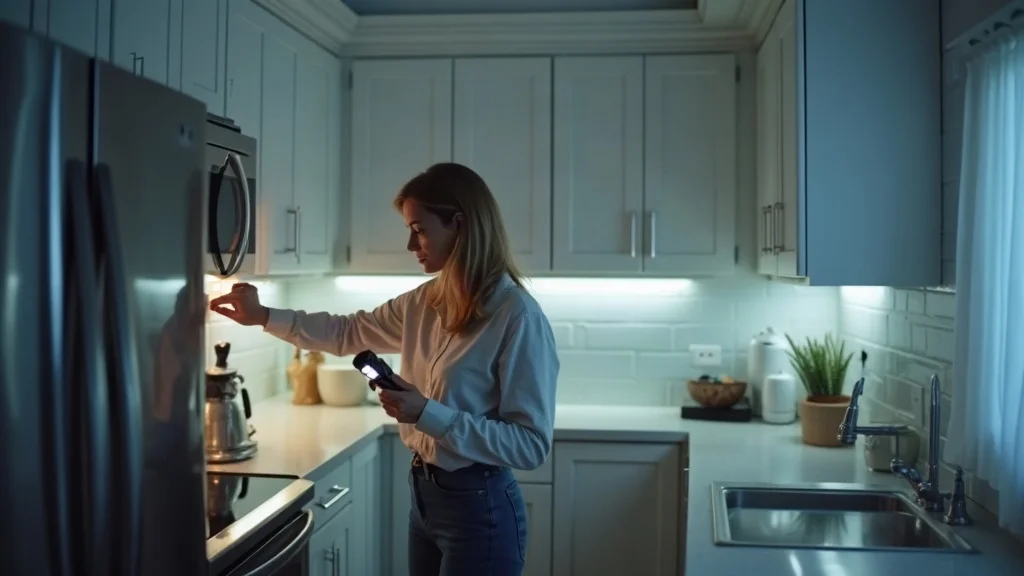
Take clear photos of any damages or issues
Use a written checklist for every room
Request repairs in writing from your landlord or management
Save dated copies of all communication regarding the inspection
Documentation is your safety net, acting like digital asset tracking in the property management world. Capture high-quality photos of each item on your apartment inspection checklist—from scuffs on the walls to issues inside closets, kitchen, or laundry areas. This thorough approach mirrors best practices in other compliance-driven industries, maximizing your leverage and ensuring responses, repairs, or disputes are handled quickly and fairly—increasing your overall completion rate for obtaining a move-in-ready space.
Consider saving all checklist notes, emails, and repair requests as PDF files, just as you would save sheets of paper per audit or digitize HACCP logs in food safety management. The more organized and detailed your documentation, the more protection you have—especially in multifamily communities where tenants change frequently, and property conditions may fluctuate.

Video Walkthrough: How to Use an Apartment Inspection Checklist
Want to see the process in action? Watch our narrated walkthrough video for a real-life look at a complete apartment inspection in Charlotte. You’ll observe every checklist step—from snapping photos of under-sink plumbing to noting light fixtures and requesting repairs. The video features hands-on tips from a local property manager, demonstrates documentation best practices, and highlights common red flag issues you shouldn’t ignore in kitchens, bathrooms, and living spaces.
People Also Ask: Common Apartment Inspection Questions
What would make you fail an apartment inspection?
Inspectors often look for safety hazards, cleanliness, damage beyond normal wear and tear, and compliance with the lease terms. Significant damage, pest issues, illegal alterations, or not meeting community guidelines can all be grounds for failing an inspection. Maintaining a proactive approach with a comprehensive apartment inspection checklist increases your chances of passing and avoids unwanted red flags—just as assets tracking and completion rate monitoring do in professional management.

What do inspectors look for in apartments?
Inspectors typically check for damage, cleanliness, safety features (like working smoke detectors), functioning appliances, reliable plumbing, and visible maintenance issues. Their methods are similar to how assets are tracked in group general manager logs—every detail matters, and each checklist item contributes to your documentation trail and the training completion rate for future claims.
How clean does my apartment need to be for an inspection?
Your apartment should be clean, free from trash, pests, and excessive clutter. All surfaces should be wiped down, floors vacuumed or swept, and appliances should be free of grime. Essentially, it should be in a move-in-ready condition, meeting both the spirit and specifics of your lease—much like passing a food safety inspection or achieving a high completion rate in a professional asset tracking system.
What are red flags during an inspection?
Red flags include signs of water damage, mold, pest infestations, broken appliances, exposed wiring, or leaks. Hidden stains, bad smells, or evidence of prior repairs may signal bigger problems, and these should be documented in your inspection just like problem areas in HACCP logs or stock loss in food service. Recording these finds provides leverage for repairs and helps you protect your deposit.
Expert Insights: Charlotte Perspectives on Apartment Inspections
"Charlotte renters are wise to use a detailed apartment inspection checklist, especially in older buildings where previous damage can be hard to spot." — Local Apartment Consultant

Key Takeaways for Using an Apartment Inspection Checklist
Always use an apartment inspection checklist before signing your lease
Document everything with photos and notes
Don’t hesitate to ask questions or request repairs
Stay organized to protect your deposit and avoid disputes
FAQs About Apartment Inspection Checklists
Can I bring someone with me during the inspection? Yes, bringing a friend or professional can help you spot issues you might miss and increase your completion rate by sharing the review process.
Should I print a checklist or use a digital version? Either works—choose whichever method supports your organization best. Digital checklists are great for fast documentation and for asset tracking in the platform, while printed versions serve as a tangible record.
What if I disagree with the landlord’s findings? Document your concerns with dated photos and notes, and request a review—much like asset audits or responding to discrepancies in a group general manager’s logs.
How soon should I report inspection issues? Report immediately or within the time frame specified in your lease—a fast response time is essential for swift resolutions and protects your rights as a renter.
Next Steps: Empower Your Apartment Living Experience
Join Apartment Neighborhoods for renter resources, neighborhood ideas, local events, and practical apartment-living advice.
Ready to feel confident in your Charlotte apartment search, avoid surprises, and enjoy life in your next neighborhood? Join Apartment Neighborhoods today for the latest renter guides, neighborhood spotlights, and events to make your new apartment truly feel like home.
If you’re interested in expanding your knowledge beyond inspections and want to stay ahead with the latest trends, community updates, and expert advice for renters, explore the full range of articles and resources available at Apartment Neighborhoods News. Discover how you can make the most of your apartment living experience and stay informed about everything happening in your local rental market.






Write A Comment