Add Row
Add Element
Apartment Neighborhoods News
update
Apartment Neighborhoods News
update
Add Element
  • Home
  • Categories
    • Real Tenants
    • Amenity Insider
    • Resident Resource Hub
    • Neighborly Know-How
    • Lifestyle & Décor
    • Family Niche
    • Apartment Market
    • Apartment Neighborhoods Blog
SUBSCRIBE TO NEWSLETTER 
  • update
  • update
  • update
  • update
  • update
  • update
  • update
April 29.2025
2 Minutes Read

Beyond the Doorman: Essential Tips for Evaluating Apartment Security

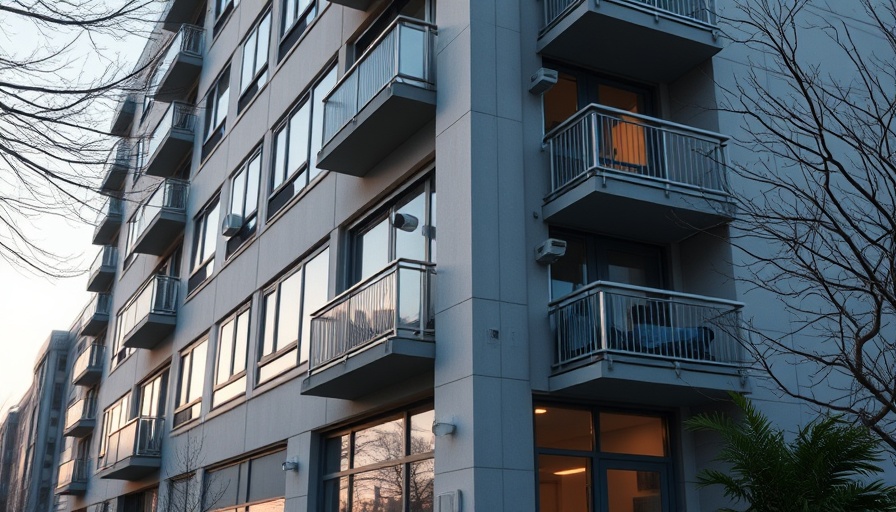
Evaluating apartment security features with modern building facade and cameras.

Securing Your Home: Why It’s More Than Just a Doorman

In today's society, safety is a primary concern for renters. No matter if you live solo or with family, feeling secure in your home is essential. While the presence of a doorman adds an extra layer of security, it shouldn't be the only factor you consider when evaluating a rental's safety features.

Conducting a Security Risk Assessment

One critical step every building management team should take is conducting a comprehensive security risk assessment. This evaluation plays a significant role in identifying potential vulnerabilities like poor street lighting or malfunctioning locks, and ultimately helps form a robust safety plan. Regularly updating this assessment ensures that it remains relevant as resident demographics change.

Essential Physical Security Features to Inspect

During apartment walkthroughs, pay close attention to physical security elements. Here are some crucial aspects to assess:

  • Controlled Access Points: All entry and exit doors should be secure with systems such as electronic keypads or fob readers. These features often log activity and link to a central monitoring system, providing accountability and peace of mind.
  • Lighting: Effective lighting around entrances, parking lots, and hallways can't be overstated. Adequate illumination not only deters potential intruders but also helps prevent accidents and create a welcoming atmosphere for residents.

Building Community Involvement for Greater Security

Lastly, enhancing safety isn't just about structural features; active community involvement plays a key role. Engaging residents in safety discussions, encouraging neighbors to look out for one another, and fostering a relationship with local law enforcement can all contribute to a stronger, more connected community.

Take Action for Your Safety

In conclusion, evaluating building security is a multifaceted process that goes beyond simply assessing the presence of a doorman. By focusing on comprehensive risk assessments, physical security features, and building community involvement, you can truly enhance your safety at home.

Neighborly Know-How

38 Views

0 Comments

Write A Comment

*
*
Related Posts All Posts
03.05.2026

Exploring Affordable Neighborhoods in El Paso: Ideal Areas for Apartment Renters

Update Discovering Budget-Friendly Neighborhoods in El Paso El Paso, a vibrant city known for its rich Southwestern culture and unique desert landscapes, is not only a hidden gem but also a haven for budget-conscious renters. With a cost of living approximately 12% lower than the national average, it's an attractive destination for individuals and families seeking affordable housing options. Why Renting in El Paso is a Smart Move As of early 2026, the average rent in El Paso stands at $1,113, significantly below the national average. However, certain neighborhoods offer even lower prices, making them ideal for those looking to keep their housing costs down while enjoying what the city has to offer. Whether you're starting a new chapter in life, attending the University of Texas at El Paso (UTEP), or relocating for a job at Fort Bliss, these neighborhoods are worth considering. Top Affordable Neighborhoods to Consider Here are some of the best areas in El Paso where you can find budget-friendly apartments while enjoying a strong sense of community. 1. Mountain View – Dolphin With an average rent of just $919 per month, Mountain View – Dolphin is one of the most affordable neighborhoods in El Paso. This area not only offers lower costs but also boasts a family-oriented community feel. Residents appreciate its accessibility to major roadways, making it convenient for commuters. Proximity to Fort Bliss: Perfect for military families or individuals working at this major employer. Community Feel: Known for its welcoming atmosphere and a tight-knit environment. Parks and Recreation: Multiple green spaces are available for outdoor activities. 2. Mission Hills Next on the list is Mission Hills, where the average rent is around $930. This neighborhood combines affordability with character, featuring a mix of older homes and lively apartment complexes. It’s a great option for young professionals and families. Central Location: Easy commuting to downtown and other areas via I-10. Local Commerce: Enjoy authentic Tex-Mex dining and nearby markets, enhancing the community vibe. Schools in the Area: Several public schools provide options for families with children. 3. Cielo Vista Cielo Vista comes in with an average rent of about $1,008. Not only is the rent competitive, but residents also enjoy a variety of amenities that make living here a delightful experience. Convenience: Shopping centers and restaurants are just minutes away. Accessibility: Public transportation options help residents navigate the city. Community Events: Residents frequently engage in local activities that foster community interaction. Embrace Your New Life in El Paso El Paso's affordable neighborhoods such as Mountain View – Dolphin, Mission Hills, and Cielo Vista present a unique opportunity for apartment renters seeking a budget-friendly lifestyle without compromising on community and amenities. If you're in the market for a new place to call home, consider these neighborhoods that offer both financial relief and a warm, welcoming atmosphere. Take the leap and explore your options in El Paso today! With vibrant neighborhoods and affordable rent, your future home might just be waiting for you.

03.03.2026

Navigating the Rental Market: The Essential Role of a Co-Applicant

Update Understanding Co-Applicants: A Critical Asset for RentersAs the rental market becomes increasingly competitive, many potential tenants are finding it challenging to secure their desired apartment, especially in vibrant neighborhoods where demand exceeds supply. This is where the concept of a co-applicant can significantly benefit renters. A co-applicant, simply put, is another individual who applies for a rental alongside you, sharing equally in the responsibility of the lease. By understanding their role, you can substantially strengthen your rental application and increase your chances of being approved for the apartment of your dreams.What is a Co-Applicant?A co-applicant is typically someone who intends to live in the rental unit and signs the lease with the primary renter. This individual is jointly responsible for paying the rent and adhering to the lease terms. Unlike a co-signer or guarantor, who may not live on the property, co-applicants enhance the application by allowing the landlord to consider both parties' income and credit histories. This is particularly valuable for those with less-than-perfect credit or limited rental history.Benefits of Having a Co-ApplicantAdding a co-applicant offers numerous advantages, primarily improving your chances of securing a rental. Here are some benefits:Combined Income: Many landlords require tenants to earn 2.5 to 3 times the monthly rent. By combining incomes, the chances of meeting this threshold increases dramatically.Stronger Credit Profiles: If one applicant has a strong credit score, it can help offset a lower score from the other. This balance can lead to a more favorable impression from landlords.A Safety Net: In the event of financial struggles, co-applicants provide a support system, ensuring that rent is paid on time and reducing stress for both parties.What Sets Co-Applicants Apart from Co-Signers or Guarantors?The terminology surrounding rental applications can often be confusing. Here’s a breakdown of the distinctions:Co-Applicant: Participates in the application process, lives in the apartment, and shares responsibility for the lease.Co-Signer: May not live in the apartment but agrees to cover the rent if the primary renter defaults. They still undergo credit and income checks.Guarantor: Similar to a co-signer, they guarantee rent payment but typically have no access rights to the rental unit.Choosing the Right Co-ApplicantIt’s essential to select a co-applicant who not only offers financial stability but also aligns with your lifestyle and rental expectations. Common choices for co-applicants include:RoommatesPartners or SpousesFamily MembersBefore moving forward, consider discussing each person's responsibilities and financial obligations to ensure a smooth leasing experience.The Risks of Co-Applicant ArrangementsWhile co-applicants can significantly improve your chances of securing an apartment, there are potential pitfalls to consider:Shared Responsibility: If your co-applicant fails to pay their share of rent, it can negatively impact your credit score and financial standing.Legal Implications: Both parties are legally bound to the lease terms, meaning both must agree to any changes or renewals.Relationship Strain: Living together and sharing financial responsibilities can sometimes lead to conflict; being clear about expectations upfront can mitigate this risk.Conclusion and Next StepsIn conclusion, understanding the role of a co-applicant is crucial for renters navigating the competitive apartment market. By leveraging shared resources, renters can enhance their applications and foster a supportive living environment.Are you ready to take the next step in your apartment search? Don’t hesitate to consider a co-applicant to boost your rental application profile!

03.01.2026

What Apartment Renters Must Know About Roommate Non-Payment and Eviction

Update Understanding Joint Lease Risks: What Renters Need to Know Living with roommates is an affordable way to navigate the complexities of renting, but it can also tie your financial security to another person's reliability. When a roommate stops paying rent, the repercussions often extend beyond that individual. In fact, the landlord might pursue all named tenants for the entire rent amount, potentially leading to difficulties such as eviction notices, even if you've been timely with your payments. This scenario is particularly prevalent under joint leases, where each renter shares legal responsibility. Therefore, understanding the ins and outs of your lease agreement and the concept of joint and several liabilities is crucial to protect your housing and personal credit. What Happens When Your Roommate Stops Paying Rent? Most leases shared among renters in the U.S. are structured as joint and several liability agreements. This means all renters are equally accountable for the whole rent amount. So if one person defaults, the entire group is at risk of an eviction process. Courts will generally not consider whether each individual has paid their share; they will simply assess if the total rent has been met. According to legal experts, it's essential to check lease language for terms like "jointly and severally liable" to understand your obligations fully. Eviction Can Affect Everyone on the Lease One startling discovery many renters face is that paying your share of the rent does not offer you immunity from eviction. If your roommate defaults and the total rent remains unpaid, eviction proceedings can be initiated against all names on the lease. As documented in resources from the Landlord - Tenant Law Center, not only can this lead to an eviction notice, but the record of that eviction can also impact future rental opportunities and your credit score. How to Protect Yourself from Joint Lease Pitfalls Should you find yourself in a situation where a roommate has stopped paying rent, swift action is essential. First, familiarize yourself with your lease: is it joint or individual? Following that, communicate promptly with your landlord, explaining the situation and your desire to resolve it. Also, keeping a written record of this communication can serve as proof of your efforts to mitigate potential eviction. Furthermore, it is advisable to strategize for the future by ensuring you select trustworthy roommates to share responsibilities. Entering into a joint lease is not just about sharing living space; it signifies a mutual financial commitment that shouldn't be taken lightly. Legal experts suggest having open discussions about shared financial obligations, best practices for rent payments, and drafting agreements that outline each person's responsibilities. Key Takeaways for Apartment Renters Understanding joint leases and the responsibilities that come with them is essential for any apartment renter. Not only does each renter carry the financial burden of the full rent amount, but also potential liabilities from lease violations, property damage, or other issues that may arise during the rental term. Therefore, before signing any lease, immerse yourself in the details and consider your potential roommates carefully. Call to Action: Know Your Rights Being informed is the first step in protecting your rights as a renter. Review your lease today, have proactive discussions with your roommates, and establish clear agreements to safeguard your financial future. Together, you can foster a harmonious living arrangement that minimizes the risk of eviction and financial strain.

Terms of Service

Privacy Policy

Core Modal Title

Sorry, no results found

You Might Find These Articles Interesting

T
Please Check Your Email
We Will Be Following Up Shortly
*
*
*