







In a world where clear medical communication can mean the difference between empowerment and isolation, traditional solutions like hearing aids often fall short, especially for those hard-of-hearing moments when they’re just not in use. For audiologists, senior care directors, and healthcare professionals, the stakes are high: missed messages can mean missed care, crucial information left unheard, and lives interrupted by the barrier of silence. Captioned call advantages now stand at the forefront of a communication revolution.
Today, John Noonan of ClearCaptions offers his front-line perspective on how accessible, real-time captioned telephones are redefining independence for millions struggling with hearing loss. With profound dedication, he shares how ClearCaptions’ technology bridges gaps and restores confidence—one captioned conversation at a time.
John Noonan’s Core Insight: Empowering the Hard-of-Hearing with Captioned Call Advantages
For John Noonan, every client encounter is a reminder that communication is both a right and a necessity, not just for social well-being but for life’s most important decisions—including healthcare. At the heart of his approach lies an unwavering commitment to empowering those with hearing loss, ensuring they are never left out of essential conversations. Drawing on years of service, John has witnessed firsthand how the blend of auditory and visual cues creates a uniquely effective solution.
According to John Noonan, when a person with a cochlear implant received her captioned phone, she didn’t just gain another device—she regained her ability to engage fully in the world around her. This added confidence to every phone call is the essence of captioned call advantages: integrating technology with empathy.
"When a woman with a cochlear implant got our caption telephone, she was elated—not only could she hear better, but reading the captions gave her confidence in every call."
– John Noonan, ClearCaptions
Why Captioned Call Advantages Are Crucial When Hearing Aids Are Not in Use
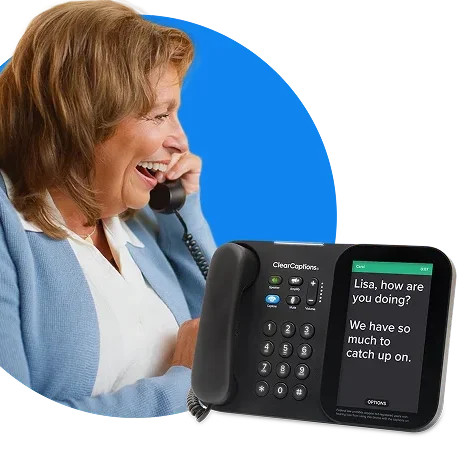
Captioned call advantages truly shine in those everyday moments when hearing aids are not in, and communication can otherwise be abruptly severed. John Noonan stresses that, while hearing aids are significant, they’re not always available—people might forget them, find them uncomfortable, or simply require a break. In these instances, captioned telephones serve as both a safety net and a bridge to continued social and medical engagement. For many, this can be as critical as life itself.
As Noonan explains, the ability to instantly read what the caller is saying removes the stress and guesswork, making each call—especially from healthcare providers or loved ones—clear and actionable. This closed gap ensures that essential reminders, appointment changes, and care instructions are never missed and that seniors and individuals with hearing loss are enabled to advocate for themselves, even when auditory solutions fall short.
"People don’t always wear their hearing aids, and that’s exactly when caption phones become essential to maintain seamless communication."
– John Noonan, ClearCaptions
Real-time captions convert speech to text for clear understanding
No personal cost due to Title IV ADA funding
White-glove setup with home installation and coaching
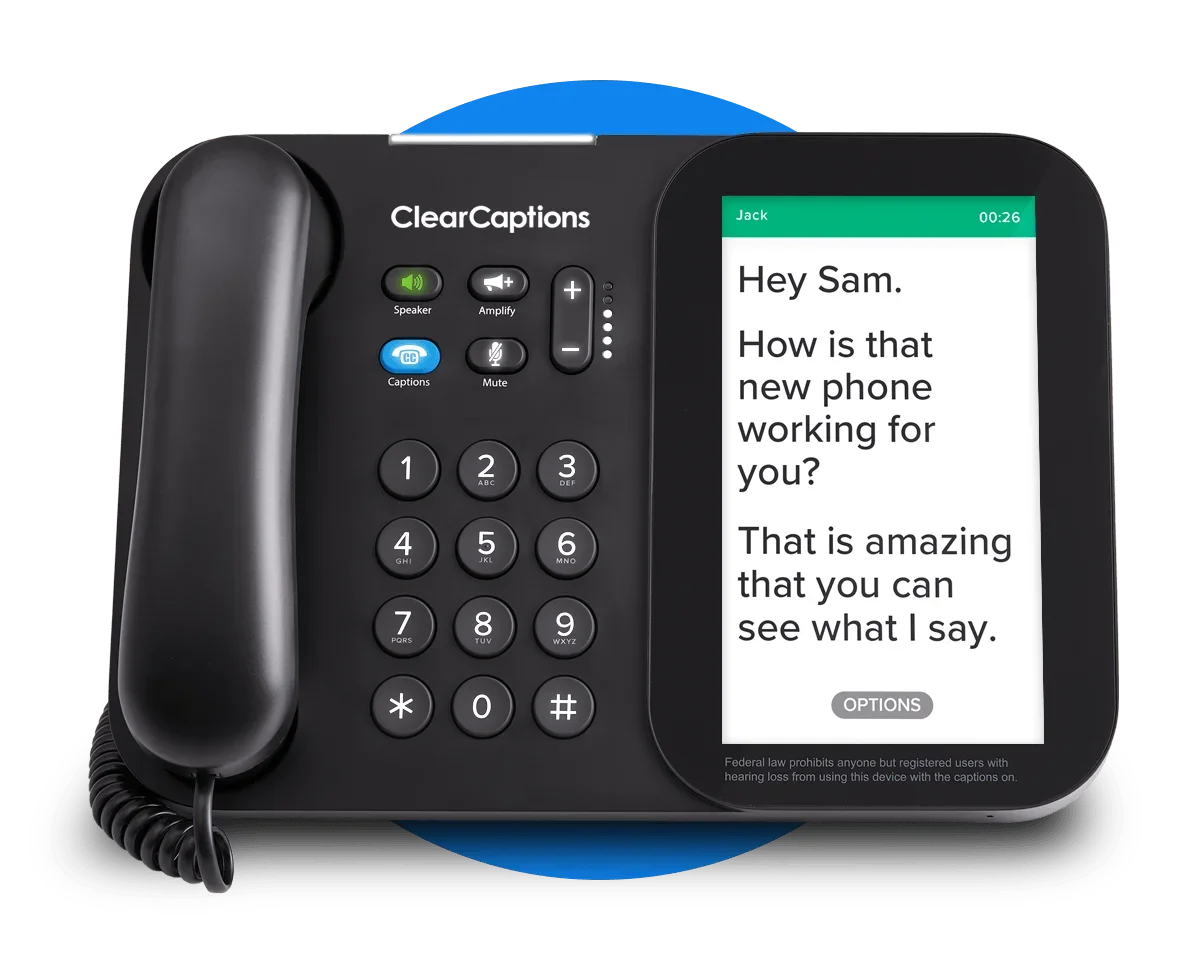
Accessible touchscreen design tailored for seniors and individuals with hearing loss
Emergency alert integration for user safety

Supporting Evidence: How ClearCaptions Elevates Communication for Hearing Loss Users
ClearCaptions’ unique model is built around accessibility, safety, and ease of use—each pillar strengthening the bridge to independence for hearing loss communities. John Noonan and his team take pride in offering an experience rather than just a product. Eligible users receive not just a caption phone, but a complete hands-on, white-glove installation, where every detail is customized to the user’s home and life. This approach dramatically accelerates adoption and confidence, especially for seniors or those intimidated by technology.
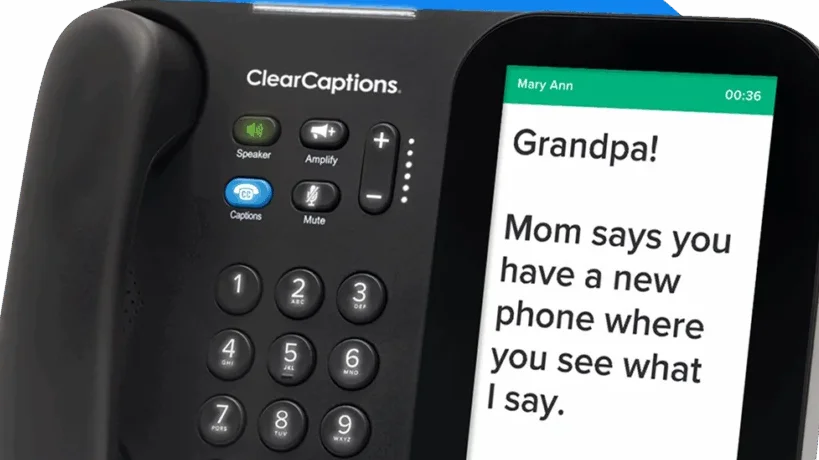
The heart of the service is real-time captioning: every word spoken by a caller is instantly converted to easy-to-read text on a convenient touchscreen interface. This ensures crucial information from healthcare providers or emergency services is never lost again. According to Noonan, this blend of technology and human support can be the factor that tips the scales toward proactive medical care and greater independence.
"Our mission is to help users regain independence by making every phone call accessible and stress-free through clear, on-screen captions."
– John Noonan, ClearCaptions
The Unique Value of ClearCaptions’ Captioned Call Advantages in Healthcare and Senior Care
In both private homes and senior care facilities, captioned call advantages have particular relevance for medical communication. The devices comply completely with ADA Title IV, ensuring that eligible users encounter no cost barriers. Funding is sustained directly by the FCC’s Telecommunications Relay Services, undergirding the service’s ongoing reliability and broadening its reach.
The integration of emergency alerts—such as critical FEMA weather updates—elevates caption phones into essential safety devices for those vulnerable to missing vital warnings. Healthcare professionals and caregivers can rest easier, knowing that, through ClearCaptions, their patients remain reachable, informed, and empowered during pivotal moments.
Compliance with ADA Title IV ensures no cost barriers for eligible users
FCC-managed service guarantees sustainability and widespread accessibility
Emergency alerts integrated directly into phones enhance user safety
Personalized on-site installation fosters user confidence and technology adoption
Critical for maintaining social connections and accessing medical communications
Background: Understanding Captioned Call Advantages and Their Broader Impact
The broader impact of captioned call advantages stretches far beyond improved medical communications. John Noonan points out that significant barriers still exist: discomfort or misuse of hearing aids, persistent difficulty understanding phone speech, and the isolation created by these communication challenges all converge to diminish life’s quality for those with hearing loss. Affordability is another persistent obstacle—exacerbated for seniors living on fixed incomes, or underserved populations.
Captioned telephone services alleviate these burdens by offering an affordable (often no-cost) path to independence, supporting users at every stage of need. For professionals serving the elderly or disabled, these phones serve not only as tools but as lifelines, restoring dignity and agency that traditional technology alone cannot provide.
Common Barriers Addressed by Captioned Telephone Services
Hearing aid discomfort or non-use during calls
Difficulty understanding speech over the phone
Social isolation caused by communication challenges
Lack of affordable assistive technology options
How The Federal Telecommunications Relay Services Funding Provides Access
The cornerstone of sustainable access to captioned call advantages is the rigorous backing of Federal Communications Commission’s Telecommunications Relay Services (TRS) fund. John Noonan highlights that, without this critical support, millions of Americans would remain shut out from the independence and inclusion these services provide. The FCC’s requirement for telephone and Internet providers to contribute ensures ongoing funding, nationwide reach, and a future where no individual with hearing loss is left isolated.
It's this type of systemic support, combined with ClearCaptions’ white-glove service, that enables seamless adoption: users can rest assured that their right to communicate is protected and prioritized at every level—by technology, law, and ongoing funding. For audiologists and healthcare providers, this federal guarantee transforms what was once a luxury into a universally accessible need.
"Without FCC's TRS fund support, millions of Americans with hearing loss would face significant communication barriers every day."
– John Noonan, ClearCaptions
Practical Tips for Audiologists and Healthcare Providers to Maximize Captioned Call Advantages
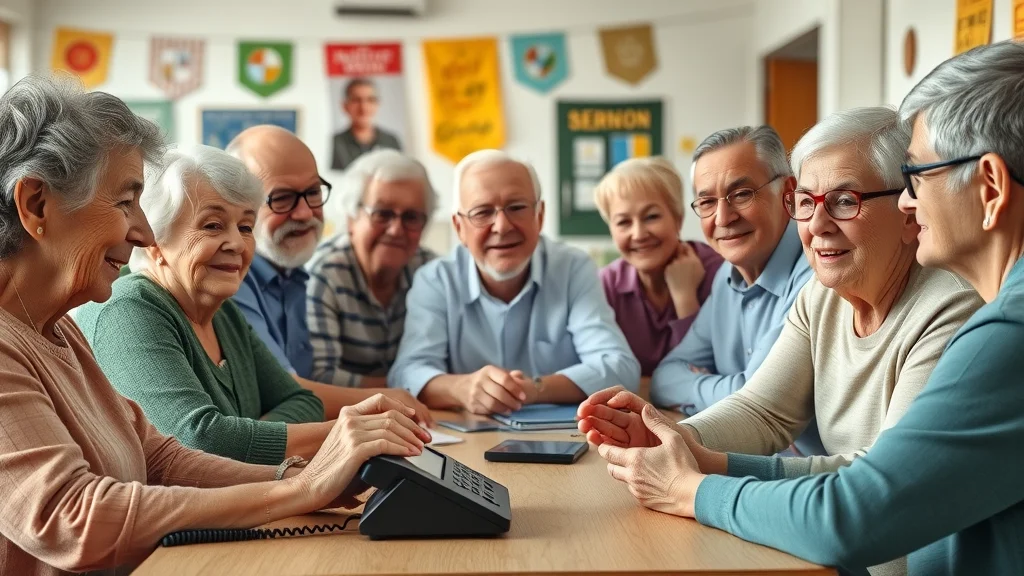
John Noonan urges fellow professionals to be proactive in embracing this revolution in accessible communication. For audiologists, senior care facility directors, and caregivers, educating staff and patients about the eligibility and benefits provided under ADA Title IV is essential. Recommendations for captioned phones should no longer be secondary; they should be an integral part of every care plan for those with hearing loss—especially for patients who experience consistent difficulties with hearing aids during phone calls.
As an additional safeguard, providers should highlight the safety features embedded in ClearCaptions devices, such as built-in emergency alerts, while actively coaching users and their families during setup. This integrated approach ensures that captioned call advantages are leveraged fully—transforming mere phone calls into cornerstone opportunities for independence and wellness.
Recommend caption phones especially for patients who struggle with hearing aids during calls
Educate caregivers and senior facility directors about ADA Title IV benefits
Incorporate ClearCaptions as a complement to traditional hearing aids
Highlight safety features like emergency alerts during consultations
Conclusion: Embrace Captioned Call Advantages to Transform Communication for the Hard-of-Hearing
Ultimately, as John Noonan’s work with ClearCaptions reveals, the promise of captioned call advantages is about far more than audible words—it’s about restoring confidence, autonomy, and the dignity that comes from truly being heard. In a world where missed messages can have profound consequences, these advances break barriers, bringing every vital conversation within reach for those with hearing loss.
For audiologists, senior care professionals, and healthcare leaders, now is the time to integrate these solutions and champion policies that ensure every call is accessible. Explore ClearCaptions for your patients, clients, or loved ones—helping them step into a future of full, vibrant connectivity and care.
Take the Next Step Towards Inclusive Communication
Ready to empower your patients or facility with the full range of captioned call advantages? Call John Noonan today (203) 581-0382 or email john.noonan@clearcaptions.com to schedule a white-glove installation or to learn how real-time captioning can transform your clients’ phone conversations. Break the barriers—unlock independence, one call at a time.
For individuals with hearing loss, captioned telephones augment traditional hearing aid solutions, especially in ensuring clear medical communication. The National Association of the Deaf explains that captioned telephones display in text everything the other person on the call says, providing a functionally equivalent telephone service for people with hearing loss. (nad.org) Additionally, ClearCaptions offers a no-cost caption phone service for eligible individuals, funded by the Federal Communications Commission’s Telecommunications Relay Services, ensuring accessibility without financial burden. (clearcaptions.com) If you’re serious about enhancing communication for those with hearing loss, these resources will provide valuable insights and solutions.







Write A Comment