









Did you know that Charlotte’s rental rates have increased by nearly 20% over the past three years—making it one of the hottest rental markets in the Southeast? If you’re searching for the best places to live in Charlotte or curious about the top rental neighborhoods, you’re in the right place. The Queen City is bursting with vibrant communities, from the energetic streets of South End to the leafy charm of family-friendly suburbs. Whether you’re a first-time renter, real estate investor, or just exploring options before you move to Charlotte, our comprehensive guide to Charlotte rental neighborhoods will help you uncover the city’s hidden gems. Dive in to discover why now is the perfect time to make your move.
Startling Trends in Charlotte Rental Neighborhoods—Why Now Is the Time to Explore
In recent years, the Charlotte rental neighborhoods market has seen rapid transformation. Demand for apartments and single-family rental homes has soared as more people flock to North Carolina’s largest city for its robust job market, top-tier public schools, and diverse lifestyle offerings. Uptown Charlotte and South End are especially noteworthy for their growth, with high-rise complexes and art galleries adding modern appeal. Even traditional suburban areas, like St Charlotte and University City, now feature a broader rental inventory, attracting everyone from young professionals to growing families.
Rising rental prices reflect Charlotte’s massive popularity, but opportunities for both renters and real estate investors remain strong. For those looking at the real estate market through an investor’s lens, neighborhoods such as Plaza Midwood deliver a solid blend of culture and community, while University City’s access to UNC Charlotte and transit improvements support steady demand. If you’re seeking vibrant city living or a quieter suburban feel, Charlotte’s neighborhood diversity ensures there’s a perfect match—and now is the time to explore while new developments continue to expand options throughout the city.

Did you know that Charlotte’s rental rates have increased by nearly 20% over the past three years—making it one of the hottest rental markets in the Southeast?
How to Navigate Charlotte Rental Neighborhoods and Find Real Estate Opportunities
With so many distinct Charlotte rental neighborhoods to choose from, it can be overwhelming to find the right fit. Start by honing in on your priorities—whether it’s walkability, access to light rail, top-rated public schools, or proximity to the city center. Consider spending weekends exploring various communities, from the bustling nightlife of South End to the serene, tree-lined streets of East Charlotte. Real estate trends also point to the importance of vacancy rates, appreciation rates, and evolving amenities like new shopping centers, making in-person visits and local research crucial.
Partnering with a reputable property management professional can help you sift through listings and understand market nuances in neighborhoods like St Charlotte and University City. Lean on local insights; residents and real estate agents alike can provide firsthand knowledge of what makes each area unique. Whether you’re dreaming of a luxury apartment in Uptown Charlotte or a cozy family home in Plaza Midwood, early research and flexibility can position you ahead in this fast-paced market.
- Charlotte rental neighborhoods offer diversity, from bustling Uptown to serene suburban enclaves. Here’s what you’ll learn today:
- Why these 15 Charlotte rental neighborhoods stand out in 2024
- Key insights on real estate trends for renters and investors
- What makes South End, Uptown Charlotte, University City, Plaza Midwood, and St Charlotte unique
- Frequently asked questions for renters and buyers alike
Top 15 Charlotte Rental Neighborhoods to Live in Charlotte
Charlotte’s vibrant tapestry of rental neighborhoods means there’s an option for every lifestyle. From urban innovators and artists to families seeking quiet comforts, here are the top 15 places to live in Charlotte for 2024—starting with the five most sought-after communities.
Whether you crave the pulse of city center living in Uptown Charlotte, the creative buzz of Plaza Midwood, or the student-friendly atmosphere of University City, each neighborhood carries unique characteristics. Let’s dive into the queen city’s most in-demand rental markets and what sets them apart.
1. Uptown Charlotte: The Urban Pulse of Charlotte Rental Neighborhoods
- Proximity to offices, nightlife, and cultural events
- High-rise apartments with city views
- Real estate investment trends in Uptown Charlotte
Uptown Charlotte is at the very heart of the city, bustling with activity from dawn till dusk. Its location at the city center makes it a magnet for young professionals, commuters, and corporate executives eager to live within walking distance of high-rise offices, museums, and renowned restaurants. With the light rail system running nearby, commuting is seamless, and residents have easy access to all corners of the Queen City .
Investment in Uptown continues to surge, with new luxury apartment homes and converted lofts joining the skyline. The area is known for its nightlife, art galleries, and signature city views—making it an appealing option for both renters and investors seeking high appreciation rates. If you’re looking to live in Charlotte’s vibrant hub, Uptown offers unmatched energy, convenience, and a diverse real estate landscape.

2. South End: Trendsetter Among Charlotte Rental Neighborhoods
- Popularity with young professionals
- Vibrant art scene and new developments
- South End real estate appreciation rates
A short drive from Uptown, South End is one of the fastest-growing Charlotte rental neighborhoods —and a true trendsetter. With easy access to the light rail, South End’s connectivity is a major draw for professionals working throughout the city. The area’s eclectic mix of breweries, art galleries, and indie boutiques gives it a youthful, energetic vibe. New developments are everywhere you look, offering modern apartment homes, sleek townhouses, and loft-style living.
South End’s real estate appreciation rates are among the highest in Charlotte, and it’s no wonder young professionals are flocking here for its walkability, nightlife, and cultural diversity. The art scene continues to expand, with public installations and pop-up galleries creating a constant buzz. South End is not just a place to live but a place to experience the very best of what the Queen City offers.
3. Plaza Midwood: Artistic Vibes in Charlotte Rental Neighborhoods
- Eclectic local businesses
- Nightlife and historic homes
- Community-driven atmosphere
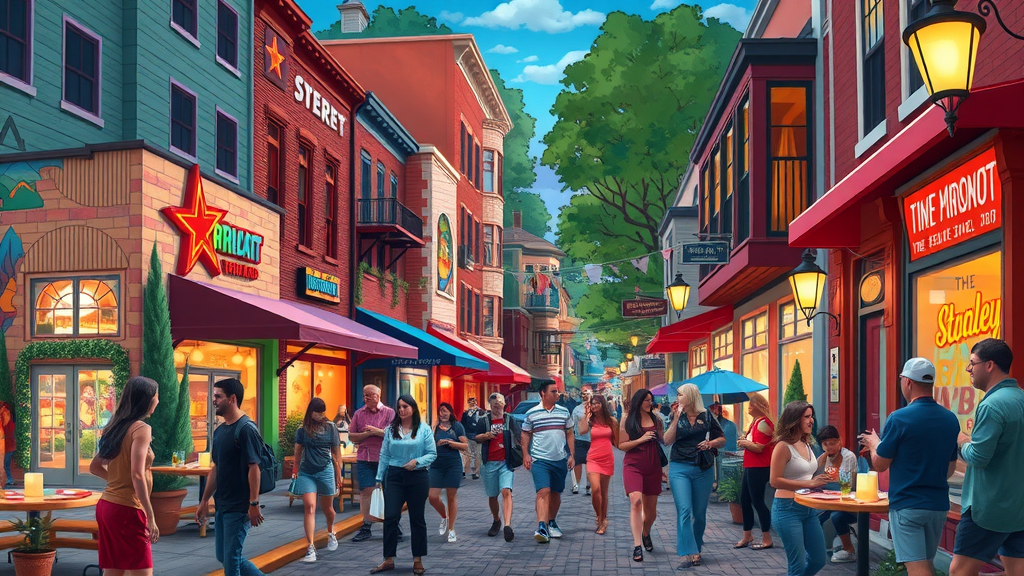
Plaza Midwood is where Charlotte’s creative spirit comes to life. This neighborhood is famed for its vibrant street art murals, indie cafes, and music scene—all layered with historic family homes along tree-lined streets. Plaza Midwood is a hub for those who appreciate walkable blocks dotted with vintage shops, diverse dining, and lively nightlife, making it a prime destination for renters seeking a blend of old-school charm and modern culture.
Renters in Plaza Midwood often find themselves part of a tightly-knit community. From weekend art festivals to open-mic nights, there’s always something to do. The real estate market here is unique—mixing renovated bungalows and craftsman-style houses with new apartment builds—providing options for everyone from students to families. Those searching for an authentic, artistic enclave will discover endless inspiration in Plaza Midwood.
4. University City: Gateway to Education in Charlotte Rental Neighborhoods
- Home to UNC Charlotte
- Affordable options and student life
- Transit and connectivity improvements
University City is anchored by the University of North Carolina at Charlotte, making it a hotspot for students, faculty, and young professionals. The area boasts a mix of affordable apartment homes, student housing, and family-friendly townhomes, all surrounded by parks, lakes, cafes, and a growing number of shopping centers. Recent transit improvements, including expanded light rail service, create convenient access to both campus and jobs in Uptown Charlotte.
University City also offers some of the best public schools in the region, complemented by excellent parks, community events, and proximity to research centers. The vibe is dynamic yet approachable—perfect for those looking for value, convenience, and a supportive, education-focused community. Investors will find solid demand here, and renters appreciate the balance of work, study, and play.
5. St Charlotte: Up-and-Coming Segment of Charlotte Rental Neighborhoods
- New business developments
- Diverse rental stock
- Retail and dining growth
St Charlotte is quickly making a name for itself as an up-and-coming rental neighborhood with a suburban feel. Located to the city’s south, this pocket has seen major investment in the last few years—including new business parks, restaurants, and retail spaces. St Charlotte features a wide range of rental properties, from newer apartment complexes to roomy family homes along peaceful streets.
A lower average rent compared to more central neighborhoods makes St Charlotte attractive for those seeking value and space without compromising on amenities. Shopping centers continue to pop up, bringing more dining and entertainment options. As the neighborhood continues to grow, so does its appeal to families and professionals looking for accessible, comfortable living amid Charlotte’s ever-expanding real estate market.
Comparing Charlotte Rental Neighborhoods: Features, Prices, and Lifestyle
Before choosing your next home, it’s important to compare what each neighborhood offers in terms of average rent, walkability, schools, and key features. Use the table below to get a snapshot of Charlotte’s most popular rental destinations and what sets each apart.
| Neighborhood | Average Rent 2024 | Walkability | Schools | Key Features |
|---|---|---|---|---|
| Uptown Charlotte | $2,100 | High | Good | Nightlife, Corporate Center |
| South End | $2,000 | High | Average | Art, Breweries, Transit |
| Plaza Midwood | $1,850 | Medium | Average | Eclectic, Local Shops |
| University City | $1,500 | Medium | Excellent | Students, Parks, Cafes |
| St Charlotte | $1,600 | Low | Average | Quiet, New Developments |
Essential Real Estate Tips for Charlotte Rental Neighborhoods
- Study vacancy trends before committing
- Explore neighborhoods on weekends for true atmosphere
- Check the latest data on school ratings
When hunting for rental properties in Charlotte rental neighborhoods , knowledge is power. Start by researching vacancy rates—neighborhoods with lower vacancies tend to have tighter rental markets, which can lead to higher rent but increased amenities and security for tenants. Weekends are ideal for scoping out the real atmosphere: see which neighborhoods are lively, quiet, or family-friendly when locals are most active.
Also, public school quality can vary significantly between neighborhoods, influencing property values and future resale potential. Use online resources and local school district data to compare ratings, especially if you’re planning for children or long-term investment. Finally, don’t hesitate to contact property management experts—they’re often first to know about new listings in competitive areas like South End or Uptown Charlotte.
People Also Ask: What Are the Cool Neighborhoods in Charlotte?
Some of the coolest Charlotte rental neighborhoods include South End , known for its breweries and murals; Plaza Midwood for its music venues, indie shops, and art galleries; NoDa with its creative scene; and Uptown Charlotte for its bustling nightlife and striking skyline. Each offers a unique take on city living, making Charlotte a leading destination for young professionals and creatives alike.
Neighborhoods like Dilworth and Elizabeth are also gaining in popularity for their walkable streets and proximity to trendy eateries. For those seeking community events and vibrant street life, these districts provide some of the most dynamic environments to live in Charlotte.

People Also Ask: What City Is Better to Purchase a Rental Property—Raleigh or Charlotte, NC?
Both Raleigh and Charlotte offer strong real estate investment potential, but Charlotte’s rapid growth, job opportunities, and diverse rental neighborhoods often give it the advantage for rental property purchases in North Carolina. Charlotte’s robust job market, supported by thriving finance, tech, and healthcare industries, has consistently attracted newcomers, ensuring high demand for rentals and continued appreciation.
Raleigh, on the other hand, is known for its high-quality public schools and a strong research university presence. Investors weighing their options should look closely at each city’s vacancy rates, appreciation history, and local economic indicators—though Charlotte’s dynamic lifestyle and stronger population growth trends make it a perennial favorite for rental property investment in North Carolina.
People Also Ask: What Is the Cheapest Area to Live Around Charlotte, NC?
East Charlotte, Northlake, and parts of University City are among the most affordable areas to live around the queen city . These Charlotte rental neighborhoods offer a wide range of rental properties, from spacious apartment homes to single-family homes, often with lower rents than central neighborhoods like Uptown or South End. Family-friendly streets, green spaces, and growing community amenities make these districts great for budget-conscious renters.
While affordability is a definite bonus, these areas are seeing increased development—so the right time to move is now, before prices rise further. East Charlotte in particular features leafy residential streets and easy access to public schools and parks, making it a standout for families seeking value.
People Also Ask: What Part of Charlotte is Best to Stay In?
The best part of Charlotte to stay in depends on your lifestyle preferences. Uptown Charlotte is best for those seeking excitement, cityscape views, and cultural events, while South End offers unbeatable nightlife, art, and ease of commuting via light rail. For a laid-back, community-oriented vibe, Plaza Midwood or Dilworth are excellent choices.
Families often favor South Charlotte or Madison Park , where suburban feel blends with city amenities. For easy access to education and parks, University City stands out. Ultimately, your priorities—commute, school quality, and amenities—should drive your decision, as each Charlotte rental neighborhood has something special to offer.
Notable Mentions: More Charlotte Rental Neighborhoods Worth Exploring
- NoDa: Creative Arts District
- Dilworth: Historic Homes
- Elizabeth: Walkable Restaurants
- Ballantyne: Upscale Suburban Experience
- Myers Park: Luxury Rentals
- Northlake: Growing Suburb
- Madison Park: Family-Friendly
Charlotte’s story doesn’t end with the top five rental neighborhoods—there are plenty more worth checking out. NoDa’s creative flair, Ballantyne’s suburban luxury, and the family-first vibes of Madison Park provide strong alternatives for every renter’s wish list. Each of these communities brings its own charm, with access to public transit, top public schools, or lively shopping centers.
From the historic homes of Dilworth and Myers Park to Elizabeth’s restaurant-lined streets, these Charlotte rental neighborhoods are top choices for seasoned city dwellers and new arrivals alike.
Expert Insight: What Makes Charlotte Rental Neighborhoods a Real Estate Hotspot?
"Charlotte’s rental neighborhoods continue to attract residents from across the country, thanks to robust job growth and a thriving cultural scene." – Local Real Estate Analyst
Charlotte’s gripping ascent as a real estate hotspot is driven by strong employment sectors, an influx of young professionals, and smart city planning. The city’s ongoing investment in infrastructure, such as expanded light rail options and upgraded shopping centers, makes living here more attractive every year. Whether you’re considering Uptown’s city center appeal or the community vibe of Plaza Midwood, opportunities to find— and profit from— Charlotte rental neighborhoods seem brighter than ever.
Exciting festivals, diverse restaurant scenes, and a blend of old and new architecture continue to fuel demand. As Charlotte’s population rises and the economic engine keeps revving, real estate experts expect a competitive but rewarding market for years to come.
Key Considerations When Choosing Charlotte Rental Neighborhoods
- Commute times
- Access to public transit
- School district quality
- Community amenities and events
Choosing the right place to live in Charlotte means weighing more than just price. Consider your daily commute, proximity to the light rail or major roadways, and the reputation of nearby public schools. Many neighborhoods now host year-round festivals, markets, and outdoor concerts, so be sure to look for areas with active community calendars. Amenities like parks, bike lanes, and shopping centers all contribute to quality of life—so take a holistic view before signing your next lease.
Frequently Asked Questions about Charlotte Rental Neighborhoods
- Which Charlotte rental neighborhoods are pet-friendly?
- Are utilities typically included in Charlotte rentals?
- What are security deposit trends in 2024?
- What lease options are available (6, 12, or month-to-month)?
- How’s parking in Uptown and South End?
Which Charlotte rental neighborhoods are pet-friendly?
Most neighborhoods, especially new developments in South End, Uptown Charlotte, and University City, offer pet-friendly apartment homes with amenities like dog parks, pet washing stations, and nearby green spaces. Always check individual building policies as restrictions can vary.
Are utilities typically included in Charlotte rentals?
It’s common for renters to pay separate utility bills in Charlotte, though some apartment complexes—particularly luxury apartment buildings—may roll water, trash, or internet into the monthly rent. Always ask the property management for a full breakdown before signing a lease.
What are security deposit trends in 2024?
Security deposits in Charlotte typically range from one to two months’ rent. Some property management companies now offer deposit alternatives or insurance, a trend gaining momentum in response to competitive real estate conditions.
What lease options are available (6, 12, or month-to-month)?
Most Charlotte rental homes and apartments are leased on annual (12-month) contracts, but many properties now offer flexibility with 6-month or month-to-month agreements, especially in high-demand neighborhoods like South End and Uptown Charlotte.
How’s parking in Uptown and South End?
Parking availability varies—Uptown Charlotte has both private garages and limited street parking, often at a premium. South End features more surface and garage parking options, but competition can be stiff during evenings and weekends. Check if your property includes assigned spaces.
Videos: Explore Charlotte Rental Neighborhoods Visually

Online video tours and testimonials have made it easier than ever to preview Charlotte rental neighborhoods before setting foot in the city. Check out visual guides for in-depth peeks at apartment amenities, street views, and vibrant community events—helping you picture life in your future neighborhood.
Videos: Hear from Residents Living in Charlotte Rental Neighborhoods
Nothing beats firsthand perspectives! Hear directly from Charlotte residents as they share their stories about life in Uptown, South End, and beyond. These real-life reviews highlight local must-try restaurants, commuting routines, and the sense of community that makes each neighborhood special. Tap into these stories to help you make an informed decision about the best Charlotte rental neighborhoods for you.
Take the Next Step—Find Your Perfect Charlotte Rental Neighborhood Today
The right Charlotte rental neighborhood is just a click away. Start your search, tour in person, and connect with local real estate professionals to secure your new home in the Queen City.
Exploring Charlotte’s diverse rental neighborhoods can be overwhelming, but several resources can help guide your decision. The article “35 Best Apartments in Charlotte, Sorted by Neighborhood” offers a comprehensive overview of top apartments across various areas, detailing amenities, rent ranges, and unique features. ( axios.com ) Additionally, “Top 10 Places to Own a Rental Property in the Charlotte Area” provides insights into neighborhoods like South End and NoDa, highlighting their appeal to renters and potential investment opportunities. ( hendersonpropertymanagement.net ) If you’re serious about finding the perfect rental in Charlotte, these resources will offer valuable information to inform your search.


Write A Comment