








Every dog owner dreams of a loyal, attentive companion who responds reliably to every command. Yet, as Phil Huntington of Phil’s Dog Training will tell you, there’s one widespread misconception holding back countless pet owners: dogs don’t intuitively understand what we say. “The biggest mistake,” Phil shares, “is believing your dog understands every word. In reality, communication is built command by command, through clarity, patience, and unwavering consistency. ” As a seasoned dog trainer who has spent decades transforming even the most challenging pets into well-mannered family members, Phil knows that mastering basic dog commands is the cornerstone of effective obedience and canine safety. In this expert guide, Phil draws from his hands-on experience, instilling “aha moments” and proven advice that’s as relevant for first-time pet parents as it is for animal care professionals and seasoned dog handlers. Join Phil as he unpacks the essential commands, the psychology behind dog learning, and why home-based, consistent training truly elevates your relationship with your dog—one focused command at a time.
Phil Huntington’s Core Thesis: Simple, Consistent Basic Dog Commands Transform Behavior
The journey to a well-behaved dog begins with one unshakeable truth: simplicity and consistency drive real transformation in canine behavior. Phil’s philosophy comes straight from a lifetime of practical experience—starting as a young boy with a determined German Shepherd named Baron. Daily, half-hour training sessions under familial scrutiny laid the foundation for his deep understanding of how dogs learn, adapt, and thrive under clear, patient guidance. According to Phil Huntington, the essential first step for any owner is to teach the dog its name. From there, a concise repertoire of basic dog commands—including “come,” “sit,” “stay,” “down,” “off,” “no,” “leave it,” and “heel”—builds a framework for calm, responsive behavior in every context. “We want the dog’s focus on us, not the environment,” Phil emphasizes. “With these basic commands, you’re not just instructing—you’re communicating. ” Whether your dog is a rambunctious puppy or a mature rescue, Phil’s core thesis remains: let your instructions be consistent, your expectations clear, and your tone always encouraging. This approach does more than foster obedience—it cements trust, security, and a deeper bond between owner and pet.
As you work on these foundational skills, it’s also helpful to be aware of common pitfalls that can hinder progress. For instance, many new pet owners inadvertently reinforce unwanted behaviors or overlook the importance of environment and timing—mistakes that are surprisingly similar to those made during major life transitions. If you’re interested in learning how to avoid common missteps when making big changes, check out these practical tips for avoiding common mistakes during a move to a new city.
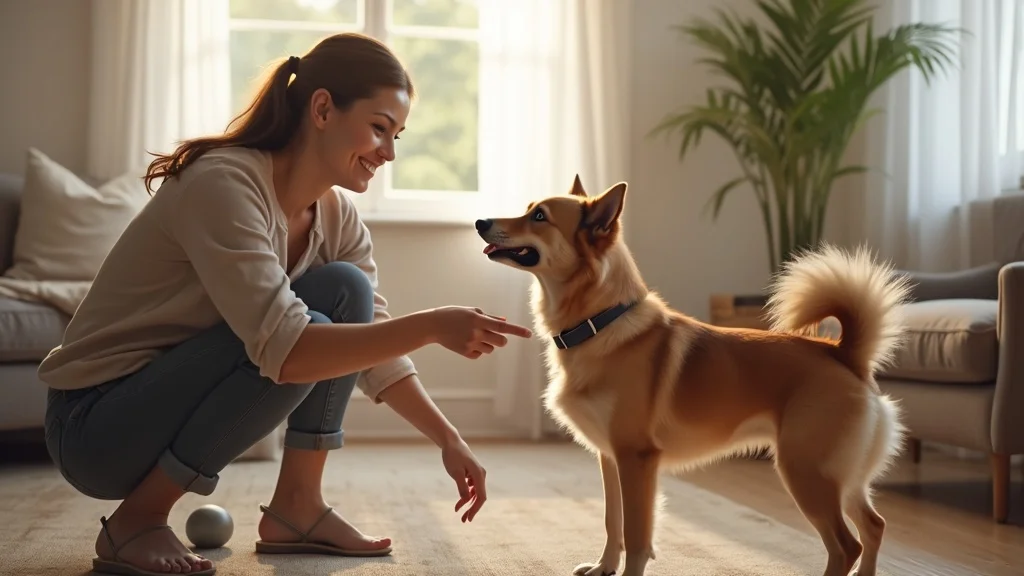
“The first thing they need to teach them is their name. After that, it’s gotta be the 7 or 8 basic commands, which is come, fit, stay, down, off, leave it, and heel.”
– Phil Huntington, Phil's Dog Training
Why Basic Dog Commands Are Essential for Every Owner
For Phil Huntington, teaching your dog key commands isn’t just an obedience exercise—it’s a lifeline for everyday safety and household harmony. The ability to reliably redirect your dog’s focus with a command like “come” or “leave it” can diffuse a potentially dangerous situation in seconds, whether it’s an enthusiastic leap toward a moving car, a temptation on the kitchen counter, or unexpected encounters with other dogs. Phil has witnessed firsthand how easily dogs can be overwhelmed by excitement or unfamiliar stimuli. “Dogs get focused on something and then they actually get too excited. So if you can call their name and get their attention back on you, they don’t kinda go crazy or lose their mind,” he explains. This principle lies at the heart of his method—using attention, then clear commands, to keep every interaction controlled and positive. The commands Phil advocates form the safety net for all owner-dog communications: each one prevents or redirects unwanted behavior before it escalates. Praised regularly, these commands become second nature to your dog, delivering not just obedience but genuine peace of mind for the owner.
“Dogs get focused on something and then they actually get too excited. So if you can call their name and get their attention back on you, they don’t kinda go crazy or lose their mind.”
– Phil Huntington, Phil's Dog Training
Come – reliable recall for safety and control
Sit and Stay – foundation for calm behavior in public
Down and Off – prevent jumping and destructive habits
Leave It – avoid dangerous or unwanted distractions
Heel – maintain control during walks and outings
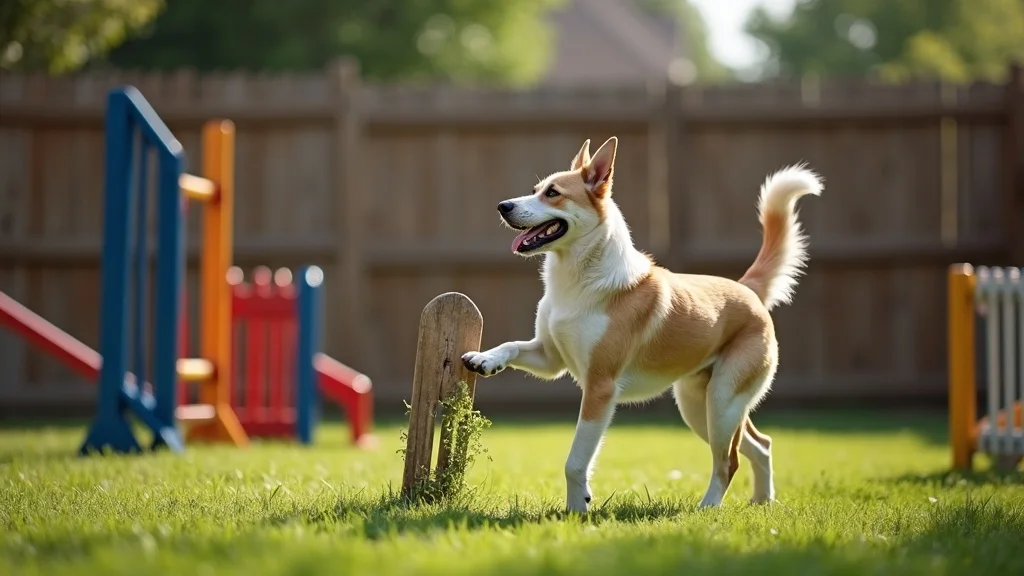
The Golden Rule of Dog Training: Keep Commands Simple and Consistent
Dog training doesn’t require jargon, complicated sequences, or lengthy monologues—what it demands is clarity and reliable repetition. Phil Huntington is adamant: “Keep it simple. And consistent. ” This is more than a catchphrase; it’s the backbone of enduring canine learning and the most overlooked secret behind successful obedience. It’s easy to see why new dog owners get overwhelmed. They juggle advice from friends, books, and the internet—often making the process convoluted for both themselves and their dogs. Phil corrects this through hands-on demonstration: commands like “sit” or “leave it” should be short, direct, and always delivered in the same tone and situation. Over time, these cues build up an unbreakable chain of associations in the dog’s mind, paving the way for automatic, eager responsiveness. Repetition in a routine, stress-free environment (ideally, the home) ensures your dog doesn’t just perform—they internalize the lesson. Phil’s approach empowers owners to make training both a bonding experience and a structured practice, eliminating confusion and setting the stage for lifelong progress.
“Keep it simple. And consistent.”
– Phil Huntington, Phil's Dog Training
In-Home Dog Training: Why Familiar Environments Maximize Command Success
The environment in which a dog trains is almost as crucial as the commands themselves. Phil Huntington’s decades of experience have proven that in-home training delivers faster results, reduces stress, and eliminates unnecessary distractions that can impede learning. According to Phil, when instruction takes place in the dog’s own home, every behavioral challenge is addressed in its most authentic context. This approach strengthens owner-dog communication, allows for timely intervention when issues arise, and makes it far easier to reinforce good habits where they matter most. As Phil puts it, “Training is most effective when conducted in the dog’s home setting, where comfort and familiarity reduce distractions and enable more precise behavior correction. ” By focusing on natural settings, owners gain confidence handling their pets during real-life scenarios, not just in impersonal, highly controlled classroom environments. This hands-on, tailored coaching streamlines the transfer of authority from trainer to owner—critical for lasting obedience and progress.
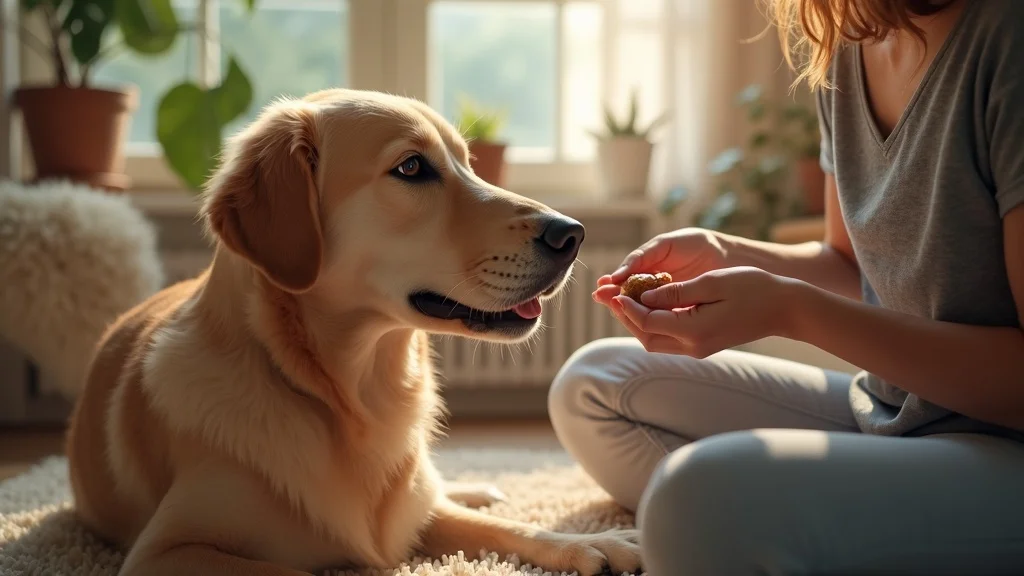
Phil’s Approach: Tailored Training in the Dog’s Natural Setting
Phil’s step-by-step approach eliminates anxiety—for both dog and owner—by addressing behaviors exactly where they occur. No generic formulas. Every lesson is custom-fitted to the dog’s lifestyle and the owner’s real priorities. Below are Phil’s keys for maximum success:
Training in the home reduces distractions and stress
Enables precise coaching on real-life behavioral challenges
Fosters better owner-dog communication and ongoing progress
“Training is most effective when conducted in the dog's home setting, where comfort and familiarity reduce distractions and enable more precise behavior correction.”
– Phil Huntington, Phil's Dog Training
Expert Tips: Starting Your Dog’s Basic Command Journey Right
Launching your dog’s training, whether puppy or adult, is all about immediate engagement and positive reinforcement. Phil Huntington’s advice, fine-tuned by years of transforming stubborn or excitable dogs, centers on a logical order for introducing commands and building attention. Begin, he suggests, with the dog’s name. This critical first step creates a communication channel—your dog learns to focus on you before any further instruction is possible. Once your dog reliably responds, introduce one command at a time, using clear, single-word cues (like “come,” “sit,” “leave it”), and reward successes promptly with treats, praise, or play. Phil emphasizes consistency above all: practice briefly but daily, involve all household members to enforce the same vocabulary, and always be ready to reinforce commands during everyday routines. This repetition ingrains the lessons faster, eliminates confusion, and forges a seamless bond between you and your dog.

Begin by teaching your dog their name to establish attention
Use short, clear commands paired with positive reinforcement
Practice daily in short sessions to build consistency
Anticipate distractions and redirect focus using recall and leave it
Involve the whole family to maintain command reliability
Summary: How Basic Dog Commands Elevate Everyday Canine Obedience and Safety
At the heart of all great dog-owner relationships lies this proven formula: clarity, repetition, and environment-centered practice. Phil Huntington’s expert coaching reveals that teaching and reinforcing basic dog commands isn’t about momentary feats of obedience—it’s about giving your dog the tools to participate confidently in family life, adapt with grace to social situations, and resist dangerous impulses before they take hold. A well-trained dog doesn’t just behave—it thrives. Owners enjoy peace of mind, fewer accidents, and a bond that transcends words. As Phil has consistently observed, “If you can get their attention using their name and follow with a simple command like leave it, you can prevent chaos or even dangerous situations. ” This insight alone empowers owners at every experience level to take the reins of their dog’s development and raise a pet who stands out for all the right reasons.

Phil Huntington’s Lasting Impact on Dog Ownership
Phil’s teachings have inspired generations of dog owners, trainers, and pet professionals to rethink their approach to obedience. His natural, communicative method, honed under the mentorship of renowned trainer Bruce Giannett, continues to transform lives across Connecticut. By prioritizing everyday applicability and owner-dog rapport, Phil ensures that the lessons stick long after every training session concludes. The proof is in the progress—dogs who once pulled, jumped, or barked excessively now remain calm, focused, and eager to please in all situations. Pet parents leave with actionable skills, not just theory, and a confidence grounded in real results. Phil’s reputation stands on testimonials and trust, built as much through consistent success as through his deep personal investment in every client’s journey.
“If you can get their attention using their name and follow with a simple command like leave it, you can prevent chaos or even dangerous situations.”
– Phil Huntington, Phil's Dog Training
Take the First Step Toward a Happier, Better-Behaved Dog
Embracing basic dog commands sets the stage for a happier, healthier relationship with your pet. Phil Huntington urges every dog owner, professional, and caretaker: start today, start simply, and let consistency be your guiding principle. Trust in proven methods, stay patient, and watch as your dog transforms before your eyes. If you’re ready to unlock your dog’s full potential under expert guidance, take the next step. Let Phil’s decades of knowledge work for you and your pet, ensuring every day is safer, calmer, and filled with joy.
Mastering the basics is just the beginning of your journey as a responsible pet owner. As you continue to build trust and communication with your dog, consider how the lessons learned here can help you navigate other major life changes with confidence and clarity. Whether you’re planning a move, welcoming new family members, or simply striving for a more harmonious home, understanding how to sidestep common mistakes is invaluable. For a broader perspective on making smooth transitions and avoiding unnecessary stress, explore this guide on avoiding the most common mistakes when moving to a new city. The right preparation—whether for your dog or your next adventure—makes all the difference.

Call us at 860-302-7077







Write A Comment