




Add Row
Add Element
Apartment Neighborhoods News
update
Apartment Neighborhoods News
update
Add Element
  • Home
  • Categories
    • Real Tenants
    • Amenity Insider
    • Event Hub
    • Neighborly Know-How
    • Lifestyle & Décor
    • Family Niche
    • Apartment Market
    • Apartment Neighborhoods Blog
SUBSCRIBE TO NEWSLETTER 
  • update
  • update
  • update
  • update
  • update
  • update
  • update
April 29.2025
3 Minutes Read

Experience the Exciting Transformation at Central Park's New Davis Center

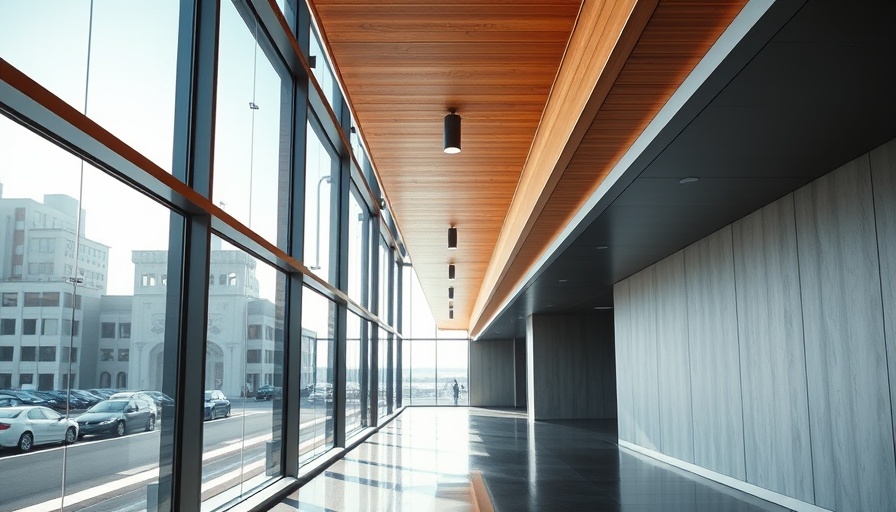
Davis Center Central Park modern hallway with glass and wood design.

Revitalizing Central Park: A New Era for Recreation

In the quest for a greener, more engaging urban landscape, Central Park's recent transformation with the opening of the Davis Center signifies a renewed dedication to community and recreation. Once a neglected corner dominated by a concrete rink and pool, this area has been reimagined into an inviting space, blending nature and leisure for all New Yorkers.

The Story Behind the Davis Center

The original Lasker Memorial Rink and Pool, established in the 1960s, was a concrete monstrosity that not only detracted from the beauty of the park but also failed to serve the community effectively. It disrupted the natural flow of the Harlem Meer, encroaching upon the park's vital landscape. Fast forward to today, and the new Davis Center stands as a testament to urban renewal, created with thoughtful architecture by Susan T. Rodriguez and Mitchell Giurgola. This facility showcases not just a new rink and pool, but a strong commitment to environmental aesthetics that benefits the park’s ecosystem.

Community and Environmental Impact

The Davis Center emphasizes accessibility with pathways that meander throughout the site, allowing easy navigation for all, including wheelchair users. This inclusive environment reflects a growing movement within urban development focused on both sustainability and community unity. The project integrates natural elements like greenery on the roof, enhancing the overall aesthetics while also promoting biodiversity. With its $160 million investment, the center is poised to become a central hub for both recreation and local connection, reversing years of civic neglect.

Transformative Features of the New Center

One of the standout features of the Davis Center is the dual-purpose swimming pool, which will convert into an ice-skating rink during the winter months. This innovative approach not only maximizes the utility of the space but also adapts to seasonal needs for recreational activities. Furthermore, by maintaining affordable access to the pool and modest skating fees, this center stands to benefit a wide array of neighbors, fostering inclusivity in leisure.

Why This Matters: An Opportunity for Families

The revitalization of Central Park's Davis Center presents an incredible opportunity for families looking for recreational outlets. Beyond enjoying the open-air environments and recreational facilities, these spaces will provide a venue for community events, encouraging residents to come together in a welcoming atmosphere. This shift represents a growing realization of the importance of accessible green spaces, where families can make lasting memories, from swimming together in the summer to enjoying ice-skating adventures in the winter.

Keeping the Spirit Local

Perhaps most importantly, the Central Park Conservancy has committed to managing the facility rather than handing it off to private companies, ensuring that the spirit of the park remains community-oriented. While corporate interests can sometimes overshadow local needs, the Conservancy's management promises that the center will focus on keeping prices reasonable and accessible for residents. This embraces the essence of what Central Park has always represented: a shared refuge for all New Yorkers.

Conclusion: A Greener Future Awaits

The opening of the Davis Center is not just about planting another structure in Central Park; it embodies a transformation rooted in community engagement and environmental responsibility. As a resident of the area, you can take pride in the new facilities that enhance your lifestyle, fostering a greater attachment to the natural beauty around you. Let’s embrace this new chapter in Central Park together, encouraging our families to engage with the space and find joy in both the pool and the rink.

Lifestyle & Décor

46 Views

0 Comments

Write A Comment

*
*
Related Posts All Posts
02.14.2026

The Hidden Role of 301 East 66th Street in Epstein's Network: What Apartment Renters Should Know

Update Unveiling the Hidden Truth in an Ordinary CondoWhen people think of Jeffrey Epstein, opulence often comes to mind—the extravagant mansions and serene island retreats seem to overshadow the more mundane aspects of his life. However, a seemingly innocuous condominium at 301 East 66th Street in Manhattan played a pivotal role in Epstein's web of deceit. This ordinary white-brick building becomes a testament to the complex realities behind his heinous actions.The Role of 301 East 66th Street in Epstein's OperationsIt's astonishing that a nondescript condominium could serve as a backdrop for such dark dealings. Epstein utilized over a dozen units specifically as living quarters for his victims—often referred to in his address book with phrases like "Apts. for models." These one-bedroom and studio apartments, often equipped for temporary stays, showed just how mundane the operational aspects of his trafficking could appear against the glamour of his other properties.From business associates to acquaintances and even foreign dignitaries, Epstein's circle continuously capitalized on these readily available spaces, often treating them as exclusive perks. As emails released in recent investigations reveal, Epstein's personal assistants ran what resembled an Airbnb operation, continuously rotating guests through these apartments.Connections that Enabled Epstein’s ActivitiesMany of Epstein's ties to this specific building trace back to his connection with Leslie Wexner, the former CEO of L Brands. Wexner's financial and personal involvement with Epstein raises eyebrows. The intersection of their relationships connected Epstein not only to lavish properties but also to discreet avenues for manipulating and controlling people within his sphere.The Disturbing Reality for VictimsSurvivors have recounted how they were lured into Epstein's orbit, sometimes finding themselves temporarily housed in units at 301 East 66th Street. With reports detailing incidents of young girls being hosted alongside adults, it's alarming to realize that these apartments, just steps away from bustling Manhattan, became settings for exploitation.One victim described her experience of arriving at an apartment filled with seemingly benign comforts—a basket of fruit, clean linens—yet knowing those items masked the sinister purpose of her stay. This duality is what characterizes the chilling use of a building that otherwise seems so unremarkable.Local Implications and Current State of the BuildingToday, as Mark Epstein—Jeffrey's brother—holds a significant portion of the building's ownership, the narrative continues to unfold. Potential renters looking at this property may not feel the weight of its history at first glance. However, awareness of such events can spark necessary conversations about housing security and community integrity.The building’s story serves as a critical reminder of the vulnerability that often exists in urban architecture, hiding darkness behind the facade of everyday life. It emphasizes that every rented space holds a story that may not be immediately visible to the untrained eye.Engaging with the Past and Looking AheadAs apartment renters, it’s essential to reflect on the connections between our living spaces and the broader social context. Understanding the implications of such histories promotes mindfulness and encourages community vigilance against exploitation.Awareness of local issues affects apartment renters' choices and interactions. By engaging with these discussions, renters can create stronger, more informed communities that prioritize tenant safety and uphold dignity for all individuals.

02.12.2026

Discover Unique Homes for Apartment Renters: Including a Puppy Spa!

Update Exploring Unique Housing Options for City Dwellers As city life grows increasingly crowded, many apartment renters are contemplating a move to more spacious abodes in the suburbs. Places like Weston and New Milford offer tantalizing options for those seeking respite from the hustle and bustle of urban living. One listing making waves in Weston features a quirky modern home — not just for humans but also with a dedicated 'puppy spa'! A Contemporary Twist Meets Functionality This three-bedroom, three-bath modern marvel, priced at $1,649,000, showcases the creativity of architect Leonard Perfido. Blending clean lines with practical upgrades, this property feels bright and open, featuring oversized windows that invite the lush forest views indoors. With a fireplace and a spacious living room, it’s perfect for cozy gatherings. Plus, amenities like a home theater and a heated Gunite pool enhance the appeal for families and those with pets. The Allure of Suburban Living For apartment renters, the draw of suburban homes goes beyond aesthetics. With a manageable commute — just a short drive to a nearby train station and a quick train ride to the city — this lifestyle change can mean more space, a yard for pets, and a quieter ambiance. Homes in suburban towns are often more affordable, with many offering unique features like a 'puppy spa' to pamper our four-legged friends. Alternative Living Spaces and Local Community Many towns like Weston and New Milford are experiencing a surge in buyers looking for features that fit their lifestyles, including amenities that cater to family dynamics and open spaces for activities. Searching for flexibility and community connection, many apartment renters find that these suburbs not only provide spacious homes but also foster more engaging neighborhoods. Choosing the Right Space for Your Lifestyle When deciding whether to transition from city living to a more suburban environment, consider these factors: proximity to work, available amenities, and the overall vibe of the community. Time is a critical component, and ensuring that your commute remains reasonable is paramount. With listings such as the quirky modern house in Weston, you can enjoy space without giving up your connection to the city. Considerations When Moving Before you make that leap, reflect on your lifestyle needs. Will you miss the vibrancy of city life? Are you ready for the upkeep a house demands? Ultimately, the decision lies in the balance between urban conveniences and suburban tranquility. Luxury features, unique styles, and local charm in suburban houses could just be the fresh air you need. In conclusion, as you ponder the leap from your city apartment to a home in the suburbs, don't overlook what a difference more space and unique amenities can make in your life. Explore the listings available and find the home that resonates with your lifestyle dreams.

02.11.2026

Understanding Gentrification's Impact on Black Brooklyn: An Emotional Journey for Apartment Renters

Update Gentrification's Silent Toll on Black Communities in Brooklyn Brooklyn, once dubbed the epicenter of Black culture, is witnessing a heartbreaking transformation. The numbers tell a striking story—between 2000 and 2020, nearly 200,000 Black residents have left New York City, with neighborhoods like Bedford-Stuyvesant and Harlem losing their rich tapestry of culture and community. The changes echo sentiments of displacement and longing, a reality many families face as they navigate rising costs and a community that no longer feels like home. A Playground Without Familiar Faces Imagine stepping into a playground that once thrummed with familiar voices, only to find yourself surrounded by strangers. In a recent reflection, a mother recounts her experience in Bedford-Stuyvesant, where she and her toddler son often find themselves among predominantly white families. Memories of racial solidarity that once defined her childhood are overshadowed by microaggressions and an evolving neighborhood landscape. "We are the only Black folks on the playground," she shares, her words a poignant reminder of the erasure of Black identity in spaces once filled with heritage and community. The Economic Forces Behind Gentrification The acceleration of gentrification in areas like Bed-Stuy is not just a local phenomenon but a reflection of broader economic forces. As homes in traditionally Black neighborhoods now fetch prices above a million dollars, many families are left at the mercy of the housing market, unable to afford the rising rents. Owning a home, once seen as a pathway to stability and generational wealth, is slipping from the grasp of many Black families. For the author, transitioning from pride in homeownership to grappling with the housing market's demands paints a picture of increasing precariousness. Conversations of Community and Culture Brooklyn’s cultural fabric is fraying as new demographics move in, often leading to the dilution of the vibrant cultural nuances that characterize historically Black neighborhoods. An absence of familiar faces means the loss of shared history—its familiar churches, gardens, and bakeries transformed or erased. For many former residents, it’s not just a physical displacement; it's the heartache of seeing their cultural heritage replaced by unfamiliar businesses and neighbors. Where Do We Go From Here? As conversations about gentrification and community displacement grow louder, it’s essential to engage with these narratives of loss and adaptation. The challenge lies not only in preserving the essence of Black Brooklyn but in creating viable solutions that cater to the needs of its long-time residents. Urban policy must shift focus—from profit-driven developments to affordable housing initiatives that prioritize Black and marginalized populations. Seeking New Roots Amidst Change Despite the challenges, there is a solacing notion that just as communities can be uprooted, they can also transform and evolve elsewhere. Families are finding growth opportunities outside of Brooklyn, where they can cultivate their cultural identity and raise their children amidst a supportive environment. Places like Baltimore are becoming havens for those seeking both affordability and a nurturing community. As they pack their bags and settle into new landscapes, they carry with them a legacy that nourishes their pursuit of a better life. Ultimately, the desire for a ‘Brooklyn’ that reminds them of a beloved past fuels the search for affordable homes and neighborhoods that reflect their cultural history. A bright future still rests in the possibility to shape anew within different communities, retaining the essence of Black culture as they embark on this journey.

Terms of Service

Privacy Policy

Core Modal Title

Sorry, no results found

You Might Find These Articles Interesting

T
Please Check Your Email
We Will Be Following Up Shortly
*
*
*


