





Add Row
Add Element
Apartment Neighborhoods News
update
Apartment Neighborhoods News
update
Add Element
  • Home
  • Categories
    • Real Tenants
    • Amenity Insider
    • Event Hub
    • Neighborly Know-How
    • Lifestyle & Décor
    • Family Niche
    • Apartment Market
    • Apartment Neighborhoods Blog
SUBSCRIBE TO NEWSLETTER 
  • update
  • update
  • update
  • update
  • update
  • update
  • update
February 26.2025
2 Minutes Read

Explore Julian Schnabel’s Palazzo Chupi: Now an Exclusive Events Space

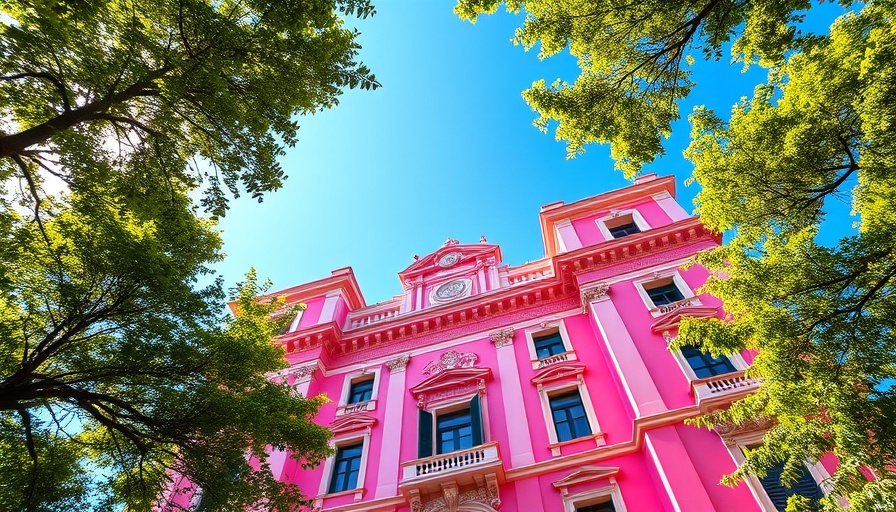
Julian Schnabel Palazzo Chupi events space, vibrant facade.

The Transformation of Palazzo Chupi: From Outrage to Acceptance

Once a controversial figure on the West Village skyline, Julian Schnabel’s Palazzo Chupi is making waves once more—not as a residential haven but as an event space. This pastel-hued edifice, often derided as an "exploded Malibu Barbie house," has evolved from being a source of contention among neighbors to a unique venue ready to host extravagant gatherings.

Originally constructed amidst protests regarding its eye-watering height and neo-Mediterranean design, Palazzo Chupi now represents a fusion of artistry and functionality. After twenty years, it seems that New Yorkers have come to terms with Schnabel’s bold vision. The nearby billionaire developments and evolving real estate landscape highlight the increasing acceptance of his creation.

Stepping Inside: A Creative's Dream Venue

Managed by Hush Events, this multi-story venue boasts an eclectic decor that mirrors Schnabel's artistic flair—think chandeliers, oversized sculptures, and fascinating art pieces including Schnabel's own works. One room even features a taxidermied bear, promising a quirky yet memorable backdrop for any event. A library filled with art books adds an intellectual charm, making it perfect for classy gatherings or high-end brand launches.

Julian Schnabel: The Man Behind the Palazzo

Schnabel isn’t just an artist; he’s also an astute real estate strategist. Having purchased the property in 2005, he designed it with selling and renting in mind, using his artistic reputation to integrate personal touches throughout the building. The 170-feet structure defied the new zoning limits imposed in 2005, embodying Schnabel's vision of expansive living and artistic expression.

The Cultural Impact of Palazzo Chupi

By opening its doors for events, Palazzo Chupi contributes to the cultural landscape of the West Village. This reinvention is not only a nod to the changing facade of New York’s real estate but also serves as an eclectic stage for gatherings that blend creativity with luxury. From weddings to brand activations, guests can now celebrate their milestones in a space that radiates artistic character.

Why This Matters to the Local Community

The evolving use of Palazzo Chupi reflects broader trends in urban spaces—where once-private homes are now shared with the community as creative event spaces. This transformation speaks to the growing intersection of art, business, and community, creating unique experiences that allow more people to engage with Schnabel's artistry. Understanding these emboldened spaces grants valuable insight into how historical residences can adapt and serve modern needs without losing their essence.

For those planning special events or simply interested in the intriguing history of this creative hub, Schnabel’s Palazzo Chupi offers a glimpse into the intersection of art and livelihood, cementing its place in New York's cultural narrative.


Lifestyle & Décor

41 Views

0 Comments

Write A Comment

*
*
Related Posts All Posts
02.06.2026

Explore the Luxurious Amenities of Brooklyn's Newest Condos at Hotel Bossert

Update A New Era for Brooklyn's Hotel Bossert The storied Hotel Bossert in Brooklyn Heights is undergoing a transformation that not only honors its historic roots but also redefines luxury living in the area. Originally opened in 1909 as one of the finest hotels in Brooklyn, the Bossert fell from grace in the decades following World War II, losing its splendor to dormitory-style accommodations for the Jehovah's Witnesses. Now, following a sale to the commercial real-estate firm SomeraRoad for $100 million, it is set to become a high-end condo building featuring some of the most desirable amenities seen in Brooklyn. Luxury Amenities That Stand Out SomeraRoad's plans for the Bossert reveal an ambitious vision that includes 60 to 70 luxurious apartments, primarily geared toward families seeking three- and four-bedroom units. Ian Ross, the founder of SomeraRoad, emphasizes that the conversion offers a phenomenal opportunity to meet the growing demand for upscale residences in a market largely constrained by landmark regulations. Notable amenities will include a 60-foot swimming pool, a dedicated kids' playroom, a Pilates studio, and exclusive private dining facilities, aiming to attract apartment renters looking for more than just living space. Community-Centric Approach In a nod to Brooklyn Heights' vibrant community, Ross has announced plans for an upscale restaurant within the condominium complex. This establishment, spanning 5,000 square feet and likely possessing outdoor space, is intended to fill a perceived gap in high-quality dining options in the neighborhood. By collaborating with some of the city’s most acclaimed restaurateurs, SomeraRoad aims to create a venue that serves not only the future residents of the Bossert but also the local community, enriching the neighborhood's social fabric. Broader Market Context and Demand The resurgence of family-oriented high-end real estate in Brooklyn Heights can be attributed to a growing demographic of urban families seeking larger living spaces with ample amenities. With much of Brooklyn Heights being a landmarked area, the availability of large, luxury condos is limited. As Ross points out, the Bossert's conversion represents a much-needed response to this pressing market demand, especially in a borough where high-end options have proliferated in recent years but often fall short of spacious, family-friendly layouts. The Legacy of the Bossert Once referred to as the 'Waldorf-Astoria of Brooklyn,' the Hotel Bossert boasts a rich history that reflects the evolution of Brooklyn itself. From its initial grandeur to its decline and tenure as a student dormitory, the building has weathered many changes over the years. The conversion to luxurious condos not only seeks to reclaim its status but also aims to preserve the unique character of this iconic site, which has already undergone considerable renovation under previous owners. Conclusion: Embracing Change in Real Estate The redevelopment of the Hotel Bossert signifies a noteworthy shift in how spaces are utilized within Brooklyn Heights. As it transitions to a community-focused residential environment rich in luxury, it presents an exciting opportunity for apartment renters who crave a lifestyle that blends upscale amenities with a sense of local belonging. The future of living in Brooklyn is bright, and the Bossert is poised to be at the heart of this transformation.

Terms of Service

Privacy Policy

Core Modal Title

Sorry, no results found

You Might Find These Articles Interesting

T
Please Check Your Email
We Will Be Following Up Shortly
*
*
*

