




Add Row
Add Element
Apartment Neighborhoods News
update
Apartment Neighborhoods News
update
Add Element
  • Home
  • Categories
    • Real Tenants
    • Amenity Insider
    • Event Hub
    • Neighborly Know-How
    • Lifestyle & Décor
    • Family Niche
    • Apartment Market
    • Apartment Neighborhoods Blog
SUBSCRIBE TO NEWSLETTER 
  • update
  • update
  • update
  • update
  • update
  • update
  • update
February 20.2025
3 Minutes Read

Explore Philip Johnson's Iconic Wolfhouse: A Architectural Marvel in Newburgh

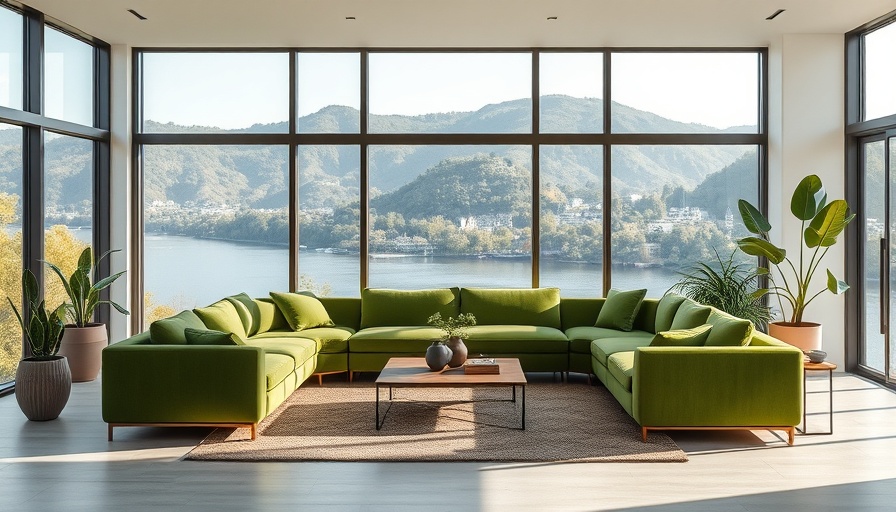
Modernist home living room with green sofas and large window view

A Hidden Gem: Discovering Philip Johnson's Wolfhouse in Newburgh

Sometimes, the most fascinating architectural stories lie quietly in the suburbs. One such story comes from Newburgh, New York, where a stunning Philip Johnson-designed home, known as the Wolfhouse, has recently made headlines with its extraordinary renovation and hefty price tag of $2.9 million. Originally constructed in the 1940s, Wolfhouse is not just an architectural wonder but a significant piece of cultural history.

Restoration Unveils Architectural Mastery

After being discovered in disrepair five years ago, a team of creative preservationists, Jeremy Parker and Jiminie Ha, took on the monumental task of restoring this classic Mid-Century Modern marvel. Their meticulous efforts spanned four years and cost about $1 million. Utilizing original blueprints found at Columbia University's library, they had a clear guideline for their restoration journey, which included replacing the facade with cypress wood and redesigning the kitchen with sustainably sourced USM Modular furniture.

As Parker noted, "We wanted to lead with smart sustainability at the forefront of our practice... not creating more waste but working with what we already have." This commitment to sustainability highlights a trend in modern real estate—restoring rather than replacing, giving homes new life while being eco-conscious.

Cultural Significance and Community Engagement

Beyond its architectural splendor, the Wolfhouse serves as a cultural center and Airbnb, aiming to bridge gaps in the community. This initiative was particularly poignant considering Johnson's controversial past, including his troubling affiliations during World War II. The current owners are eager to open dialogues about such histories, creating a space for underrepresented voices, especially within the LGBTQ+ and BIPOC communities.

As noted in one of the reference articles, opening the home for community events not only breathes life into the property but also underscores the importance of inclusivity in spaces often steeped in exclusivity.

A Broader Conversation About Historic Preservation

The Wolfhouse stands as a testament not just to the elegance of Mid-Century design but to the ongoing conversation surrounding historic preservation. As cities evolve, the balance between preserving the past while accommodating future demands becomes increasingly complex. Parker, sharing his insights, emphasizes the significant role architecture plays in narrating a community's story.

While restoration of historical properties can often provoke debates about the loss of original character or displacement of local histories, the Wolfhouse exemplifies a model where restoration honors the past while actively engaging the community today.

The Real Estate Landscape: A Shift Towards Unique Properties

This burgeoning interest in unique, beautifully restored homes is reflective of a larger trend within real estate. Buyers are increasingly drawn to properties that call back to a rich history and aesthetic—each telling a story, like that of Wolfhouse itself. As the market grows increasingly competitive, homes designed by prominent figures such as Philip Johnson offer both a sound investment and a slice of cultural heritage.

With every ounce of historic charm meticulously revived, potential buyers now have a chance to own more than just a property; they have the opportunity to be a part of its ongoing narrative.

Wrapping Up: A Modern Choice with Deep Roots

The Wolfhouse's re-emergence onto the real estate market, especially in a post-pandemic world where the allure of spacious, serene living away from urban chaos is ever-increasing, offers a unique opportunity. Homeownership here means more than just living in architectural beauty; it also means participating in a dialogue about history, culture, and community growth.

As the story of Wolfhouse unfolds, it promises to inspire conversations not just among realtors and buyers, but also within the very fabric of Newburgh's diverse community. Whether you're eyeing a unique property, interested in architecture, or simply seeking a picturesque place to settle, the Wolfhouse offers a compelling option worth considering.

Lifestyle & Décor
Facebook Twitter

41 Views

0 Comments

Write A Comment

*
*
Related Posts All Posts
01.30.2026

TJ Maxx Returns to Herald Square: What Apartment Renters Need to Know

Update Why TJ Maxx's Herald Square Store Matters to Apartment Renters For apartment renters looking for a vibrant community atmosphere, the opening of TJ Maxx in Herald Square is a significant development. This new 40,000-square-foot store marks the retailer’s first store in New York City in over a decade and serves as a hopeful sign for the local retail scene, which has faced numerous challenges since the pandemic. Boost for Local Retail during Economic Uncertainty The addition of TJ Maxx to Herald Square represents more than just a new shopping destination; it reflects a growing optimism in a market that witnessed notable vacuums from prominent brands like Uniqlo and Forever 21. The local community has felt the impacts of these closures, with foot traffic dwindling and retail vacancies increasing. With TJ Maxx's return, it’s a chance for apartment renters to enjoy a familiar shopping experience in a neighborhood that holds many memories. Understanding the Retail Landscape in Herald Square Historically, Herald Square was a bustling hub for shoppers, making it a desirable location for both renters and local businesses. However, its challenge in recent years, with a staggering 33.9% retail availability rate, underscores a broader trend affecting many urban areas. As former retail giants move out, residents look for vibrant spaces that offer good shopping options. With TJ Maxx taking the spot of an old Gap store, renters can expect a revitalization in their shopping opportunities. The Significance of This Opening for Future Leasing Trends According to real estate trends, the emergence of discount retailers like TJ Maxx signals a shift in consumer behavior post-pandemic as people seek value for their money in their shopping experiences. This trend is increasingly important for renters who are navigating tight budgets while still wanting to enjoy the city’s lifestyle. Community Connection and Shared Experiences TJ Maxx isn't just about discount shopping; it’s about creating a place where the community can come together to explore unique finds and enjoy a retail experience that speaks to variety and affordability. As new apartment renters settle in, the store will quickly become a hub for discovering fashionable buys at bargain prices—a much-needed break from high retail prices in the city. A Bright Spot in NYC's Retail Scene The store opening also highlights a revitalization trend in New York City’s retail market. Despite closures and the rise of online shopping, significant new leases like that of TJ Maxx give hope that the retail economy may rebound, which can also benefit renters seeking more accessible shopping options. Explore Your Local Retail Scene Apartment renters can look forward to engaging with this evolving shopping scene. The resurgence of brick-and-mortar stores like TJ Maxx provides not just a place to shop but also a community resource where renters can enjoy quality time with friends or family while exploring the aisles. Don’t miss out on the excitement of a new store in your neighborhood!

01.29.2026

Discover the Fresh Face of New York Architecture: What Renters Need to Know

Update A Modern Architectural Revival for New York Renters Over the last decade, New York City has witnessed a shift in its architectural landscape—one that moves away from the grand, sometimes overwhelming designs of celebrity architects, towards buildings that embrace the city’s unique spirit and diverse communities. This evolution is particularly significant for apartment renters, as the city aims to present living spaces that match their vibrant, interconnected lifestyles. Architectural Trends Reflecting Community Needs The buildings emerging in New York are no longer just designed to stand tall and declare their presence. Instead, they reflect a sensibility that understands New York’s multifaceted identity—where each structure serves to enhance its surroundings and provide a functional, welcoming experience for its inhabitants. From green spaces to communal areas, these architectural innovations cater to the needs of residents from all walks of life, making living in the city feel more inclusive and enjoyable. Adapting Spaces for All Recent architectural projects, like the reimagined skate parks and libraries aimed at various demographics, reflect a desire to create spaces that are not merely visually appealing but also functional and accessible. As communities face challenges ranging from economic disparity to public safety, new buildings are designed with features that invite collaboration and social interaction. For instance, MASS Design’s planned library embraces the concept of inclusivity, linking together seniors and youth in a shared knowledge- and culture-building experience. The Emotional Connection Between Space and Community New York’s architecture is telling a more human story than ever before. As apartment renters, the connection to your living space now extends beyond just the walls around you—it’s about how well those spaces connect with the wider community. Enhance your living experience with nearby parks, vibrant street art, and local markets that celebrate the culture around them. The emotional investment in these environments is contributing to the city's greater narrative of resilience and teamwork in facing challenges. Creating a Sense of Belonging The architecture of New York is evolving, but its purpose remains grounded in forging a sense of belonging. No longer focused solely on the grandeur of a building or the prestige of its architect, the new New York architecture recognizes that the most compelling spaces evoke a connection between its users and the city itself. As renters, you can now feel at home in spaces that connect to the vibrant make-up of the city's cultural tapestry. Where Function Meets Aesthetic At a time when urban living can feel isolated and chaotic, these new buildings offer design solutions that foster community while respecting the city’s rich history. Incorporating local materials, historical references, and modern needs, architects are blending aesthetics with purpose. This gives renters an advantage not typically associated with urban living—comfort and modified expectations for their immediate environments. For those considering a lease in New York, understanding the thoughtful approach behind the city’s evolving architectural landscape can help you choose a space that aligns not only with your lifestyle but also with the community you wish to become a part of.

01.28.2026

Examining 80 Clarkson: Is It Really Downtown's New ‘It’ Building for Apartment Renters?

Update The Rise of 80 Clarkson: What Makes It Stand Out? As the skyline of New York City evolves, one building is already drawing attention for its impressive stature and luxurious offerings — 80 Clarkson. Touted as the new ‘It’ building, it’s strategically positioned against the backdrop of the West Side Highway and Pier 40, making it impossible to ignore. With towers that soar to 45 and 37 stories high, this striking condominium complex promises to be the talk of the town, but can it truly rise to the iconic status of its predecessor, 15 Central Park West? Is 80 Clarkson Another Luxury Mirage? Luxury living has become synonymous with high price tags and exclusivity, as many apartment renters might attest. Here, at approximately $6,500 per square foot, 80 Clarkson takes luxury to another level. Its developers aim to replicate the undeniable allure of the famed ‘Limestone Jesus’ building, capitalizing on its prime location and amenities to woo ultra-wealthy buyers. But will this lead to genuine desirability, or is it merely clever marketing playing on the latest trends? Key Features That Attract Apartment Renters This 80-unit complex boasts generous layouts, unparalleled views, and numerous amenities designed to attract affluent residents. With prices starting just under $8 million, units include options for private elevators and outdoor spaces. According to real estate trends, many buyers have already been drawn in by the building’s sophisticated design, upscale finishes, and the promise of community within luxury. Families in Focus: Who's Actually Buying? The current demographic seems to trend towards families and high-achieving individuals looking for a sense of community without compromising on luxury. As brokers have indicated, many residents of 80 Clarkson hail from other prestigious buildings, suggesting a migration of affluent tenants searching for fresh experiences in a rapidly growing part of downtown Manhattan. The Secretive Sales Strategy: Positive Trend or Cautionary Tale? One intriguing aspect of this building is its secretive sales strategy. Limited details have been released regarding the actual sales figures, leading to whispers of apprehension among prospective buyers and brokers alike. What is the real sales data? Who are the high-profile buyers? This air of mystery adds to the allure but can also dissuade those cautious about investing without full transparency. Current Market Trends: An Expanding Luxury Landscape 80 Clarkson isn’t an isolated phenomenon; rather, it fits into a growing trend of high-end properties attracting substantial attention from both investors and renters. The ongoing shift in some of New York’s elite concentration — moving downtown — indicates there’s a robust market for these types of builds. Locations that may not have once been on the radar, like Hudson Square, are becoming desirable as they evolve. With developments like these sprouting up, renters should keep an eye on market trends that could one day allow them to transition from renting to owning their slice of luxury. As more luxurious spaces become available, it is time for apartment renters to evaluate their options. Is it time to reconsider what luxury living could mean for you? Explore the exciting developments occurring in your neighborhood and stay informed about how they could impact your rental choices.

Terms of Service

Privacy Policy

Core Modal Title

Sorry, no results found

You Might Find These Articles Interesting

T
Please Check Your Email
We Will Be Following Up Shortly
*
*
*


