




Apartment Neighborhoods News
update
Apartment Neighborhoods News
update
  • Home
  • Categories
    • Real Tenants
    • Amenity Insider
    • Resident Resource Hub
    • Neighborly Know-How
    • Lifestyle & Décor
    • Family Niche
    • Apartment Market
    • Apartment Neighborhoods Blog
SUBSCRIBE TO NEWSLETTER 
  • update
  • update
  • update
  • update
  • update
  • update
  • update
February 07.2025
3 Minutes Read

Exploring the Imaginative World of Space Club: Brooklyn's New Must-Visit Indoor Playground

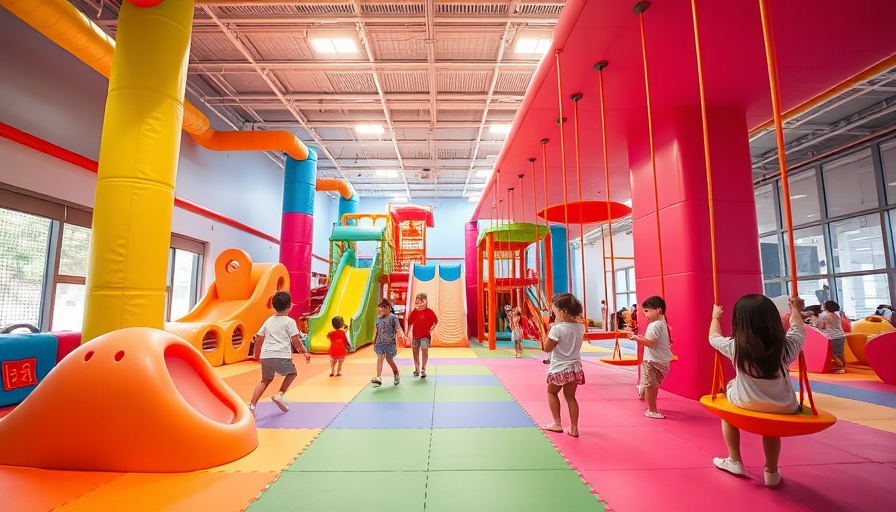
Modern indoor playground with colorful play structures and swings.

Indoor Playgrounds: A Growing Trend in Brooklyn

As the warmer months approach, a noticeable change has swept across Brooklyn: a boom in indoor playgrounds like the newly opened Space Club. Designed not just for play, but for social media, these spaces offer uniquely crafted environments to keep children engaged and parents entertained. With its expansive area that includes vibrant ball pits and whimsical play structures, Space Club has quickly captured the attention of families throughout the borough.

What Makes Space Club Stand Out?

Brooklyn parents are buzzing about Space Club's distinct offerings, which set it apart from typical indoor playground experiences. Imagine a play space that feels more like an art installation than a children's play area. With walls of plush hands and pits filled with translucent stars, children can explore a visually stunning landscape that encourages imaginative play. This captivating atmosphere isn’t merely a gimmick; it creates an opportunity for parents to snap and share endless ‘Instagrammable’ moments that reflect a new trend in family outings.

The Family Experience: More Than Just Play

For many families, outings to places like Space Club are about more than letting kids blow off steam. They are about building community. Susie Lyons, a Prospect Heights mom, expressed her desire to bond with fellow parents as much as with her children. Spaces like these allow for social interaction among parents while providing a safe, fun environment for kids to play. This dual functionality of entertainment highlights a growing need for family-oriented locations that cater to both children and adults.

The Future of Indoor Play Spaces

Indoor playgrounds are not just a passing fad. Creative spaces like Space Club have emerged out of necessity, especially during the pandemic when families sought safe recreational alternatives. The growing landscape of indoor playgrounds hints at future opportunities for more specialized offerings that further cater to diverse interests. Expect to see more indoor adventure parks with themes and educational value that align with contemporary trends in child development and engagement.

Reflections on Community Changes

The rise of these playful spaces signifies more than just entertainment options; it highlights a shift in how communities are adapting to meet the needs of families. With economic shifts leading to renewed retail spaces, the focus is turning toward experiences rather than traditional shopping. Parents now have dedicated venues where they can create lasting memories, not just with their children but also with other community members. This evolution encapsulates the changing dynamics in urban areas as they respond to the needs of modern families.

Conclusion: Discovering New Family Adventures

With facilities like Space Club leading the charge, Brooklyn continues to foster an environment where families can unite and enjoy recreational outings. As communities adapt to this new age of experiential fun, parents will find new ways to connect, explore, and share laughter with their children. The emergence of these distinctive indoor playgrounds speaks volumes about what families are seeking today: genuine experiences that build bonds and create cherished memories.

Lifestyle & Décor

139 Views

0 Comments

Write A Comment

*
*
Please complete the captcha to submit your comment.
Related Posts All Posts
06.25.2026

Subway Bathrooms with New Toilet Seats: A Game Changer for Apartment Renters

Update Subway Comfort: A Long-Overdue Upgrade In a significant move aimed at improving hygiene and comfort for subway riders, the MTA has officially installed toilet seats in bathrooms at several subway stations in New York City. This change, although seemingly small, has been heralded as a giant leap toward better public restroom facilities. Inspector General Daniel Cort emphasized that simple improvements like these can dramatically alter the subway experience for riders, particularly those who may rely on these restrooms during their daily commutes. Where Are These New Toilet Seats? The new seats are now available at several key stations across the city, including the Bronx's 161st Street-Yankee Stadium and Pelham Bay Park stations, as well as Manhattan's Union Square and 125th Street stations. Stations in Queens like Jackson Heights-Roosevelt Avenue and Jamaica Center have also been updated to include these long-awaited amenities. This rollout provides relief not only to the hygiene-conscious riders but also to those who have grown accustomed to uncomfortable and downright unsanitary bathroom conditions within the subway system. The Importance of Clean Public Restrooms For many apartment renters, the subway is not only a means of transportation but also a daily necessity. Clean and well-maintained restrooms serve as crucial amenities for riders, particularly those who may be on long commutes or experiencing emergencies. Previously, complaints about the conditions of subway bathrooms, including the lack of toilet seats and basic sanitary supplies, painted a gloomy picture of an essential service. With the MTA's commitment to implementing these improvements, it's clear that the needs of riders are finally being addressed. A Major Public Health Response The MTA’s decision to install toilet seats comes in response to a scathing report earlier this year, which unveiled the deplorable conditions many subway restrooms were left in. Ridership health and comfort were at the forefront of this initiative, representing a broader commitment to public health that has evolved since the pandemic's onset. With the closures of many restrooms during that time, the MTA utilized the downtime to make significant upgrades, ensuring that future restroom visits are not only comfortable but also safe. Current Events Drive Change This enhancement is timely, coinciding with a period in which residents are increasingly demanding improved living conditions in public spaces. As apartment renters engage more with New York’s transit system, they can feel hopeful knowing that steps are being taken to improve their overall commuting experience. The long-overdue implementation of toilet seats is just one aspect of a larger movement towards more humane and dignified public facilities. Conclusion: A Call for Continued Improvements While the introduction of toilet seats in subway restrooms is a welcome change, it's essential for riders to remain vigilant. Public amenities require ongoing care, and as such, continued pressure on the MTA from residents and commuters can ensure that the conditions remain acceptable. By being proactive in demanding clean and accessible facilities, apartment renters can contribute toward a more user-friendly transit experience. Next time you're at a subway station, take note of these changes and consider advocating for further enhancements as a community effort.

06.24.2026

Discover Rockaway Beach Through The Eyes of Lifeguard Janet Fash

Update 40 Summers of Wisdom on Rockaway Beach Summer afternoons spent on Rockaway Beach have provided Janet Fash, the iconic chief lifeguard, with joyful memories and a wealth of experience that she generously shares in her recent memoir. For the past four decades, Fash has tirelessly dedicated herself to ensuring the safety of both locals and tourists alike, becoming a key figure in an evolving beach culture. The Early Days of Lifeguarding Fash's journey into lifeguarding began in 1979, a time when women were rarely seen in such roles. At just 17 years old, she was hesitant but encouraged by friends to embrace the challenge. "I didn’t want to go to Rockaway. I wanted to stay in Brooklyn with my friends," she recalls. Undeterred, she leapt into the ocean’s waves and emerged a local hero, making her mark even in a male-dominated culture that often resisted women. Her resilience was tested during a chaotic summer filled with beach parties and the thrill of saving lives amidst a wild youth. Transformative Experiences and Lifeguarding Challenges Fash vividly recounts a time when she was forced to rescue her own chief, showcasing the intense responsibility lifeguards carry. As Manhattan, Queens, and Brooklyn beachgoers flock to Rockaway, the lifeguard shortage remains an ongoing issue. "The beach is never really 'closed'—there is no door. Why wouldn’t you just put crews of people in trucks spread out down the peninsula?" Fash passionately advocates for reforms to enhance safety and ensure drowning tragedies are minimized. A Flavorful Evolution of Rockaway Beach A significant aspect of Rockaway Beach's transformation over the years involves its food culture. Once characterized by traditional beach fare such as burgers and fries, the scene has dramatically evolved to include trendy and wholesome options. Fash highlights experiences from the past with her beloved peanut butter and jelly sandwiches and reveals how the culinary scene has been revitalized, reflecting a contemporary palate that attracts a diverse population. Building Community at the Beach The spirit of community is alive and well on Rockaway Beach, especially among the lifeguards. Fash often greets her colleagues with warmth and familiarity, embodying the tight-knit network that has built up over the years. Lifeguards, she believes, represent a unified front in the effort to keep beachgoers safe. Connecting Apartment Renters to Their Local Shore For apartment renters considering Rockaway Beach as a summer destination, Janet Fash's stirring story resonates deeply. Her tales of beach culture intertwined with community values highlight why people choose the Rockaways not only for its inviting shoreline but also for the vibrant community life. From the stunning ocean views to dining luxuries just a stroll away, Rockaway offers a special blend of relaxation and connection that draws many to the waterfront. In summary, whether you live in the area or are contemplating a visit, understanding the local culture and the people who have dedicated their lives to protecting it—like Janet Fash—adds depth to your beach experience. Rockaway Beach is more than just a shoreline; it’s a symbol of resilience, community, and evolving traditions. As you enjoy your summer, consider the stories behind the waves and the lifeguards who protect them. Your own summers at Rockaway can be enriched by understanding the vibrant culture and history that Janet represents.

06.23.2026

Can You Spot the AI Bodega? What Apartment Renters Need to Know

Update Decoding the AI Bodega: What Apartment Renters Should KnowAs urban landscapes evolve, so do the quirky, localized symbols of city life—like bodegas and food carts. A recent exploration reveals that AI-generated signage is making its presence felt in these beloved neighborhood staples. These innovations not only reshape our visuals but also raise questions about quality, authenticity, and the cultural fabric of our neighborhoods.What Do Bodega Signs Say About Us?For many apartment renters, bodegas are more than just places to grab essentials; they often serve as hubs of community connection. The signs, adorned with vibrant colors and humorous graphics, reflect the personality of the neighborhood and its residents. Artists and small-business owners traditionally poured their creativity into storefront designs, offering a unique touch to every sign. Now, AI tools are being employed to produce logos and menus that might lack the warmth and human charm that defined earlier designs. Photo-illustrations in bodega signage have certainly changed—but has the heart behind them?Navigating the New Aesthetic of Neighborhood SignageThe rise of AI in sign design leads to a blended aesthetic that can perplex and amuse. Take the example of a recent mishap featuring a smoothie shop named "Blend & Bites," where the logo displayed not just creativity but a baffling typographical error capturing attention for all the wrong reasons. This humorous misstep underscores a significant shift—AI is being used to generate quick fixes, often without the thoughtful detail that consumers expect. Yet, while some may view these failures as detrimental to urban character, perhaps they also represent an authentic modern twist—evidence that even the most robotic of designs can lead to a laugh and a shared moment among locals.Why Bodega Signs Matter to Apartment RentersFor renters, especially in bustling metropolises, each detail counts in shaping a livable community. A blurred croissant or quirky mascot can evoke feelings of belonging, nostalgia, or humor. It's essential to appreciate how these paradoxes unfold on our streets, making everyday life richer as we navigate our neighborhoods. As signs become more discordant, they can spark conversations about artistic expression, community values, and the role of technology in our daily lives—inviting us to reflect on our own identities within those spaces.A Future Where AI Meets Personal TouchThe question remains: Can AI signage coexist with the traditional artistry that defines our streets? While it bears risk—resulting in bad visuals and market oversaturation—there's potential for a hybrid approach, integrating the efficiency of AI with the skilled hands of local designers. As seen in the case of muralists or the iconic food cart designs, collaboration could lead to vibrant visuals that still embrace a personal touch, enabling apartment renters to enjoy an ambiance steeped in community identity.The Broader Impact of AI on Urban DesignAI isn't just transforming bodega signage; it is influencing urban planning and design on a larger scale. The technology offers efficiencies in city planning, allowing planners to simulate scenarios and optimize resources. This could mean more accessible spaces and improved designs. By understanding the broader implications of these changes, apartment renters can become active participants in advocating for designs that respect both tradition and modern needs.As we move further into an AI-driven era, it’s crucial for apartment renters to remain engaged with their local environments. Whether it’s by supporting local businesses that blend technology with artistry or simply appreciating the humor found in strange new designs, understanding AI's role in shaping our neighborhoods offers a richer perception of urban life.

Terms of Service

Privacy Policy

Core Modal Title

Sorry, no results found

You Might Find These Articles Interesting

T
Please Check Your Email
We Will Be Following Up Shortly
*
*
*


