







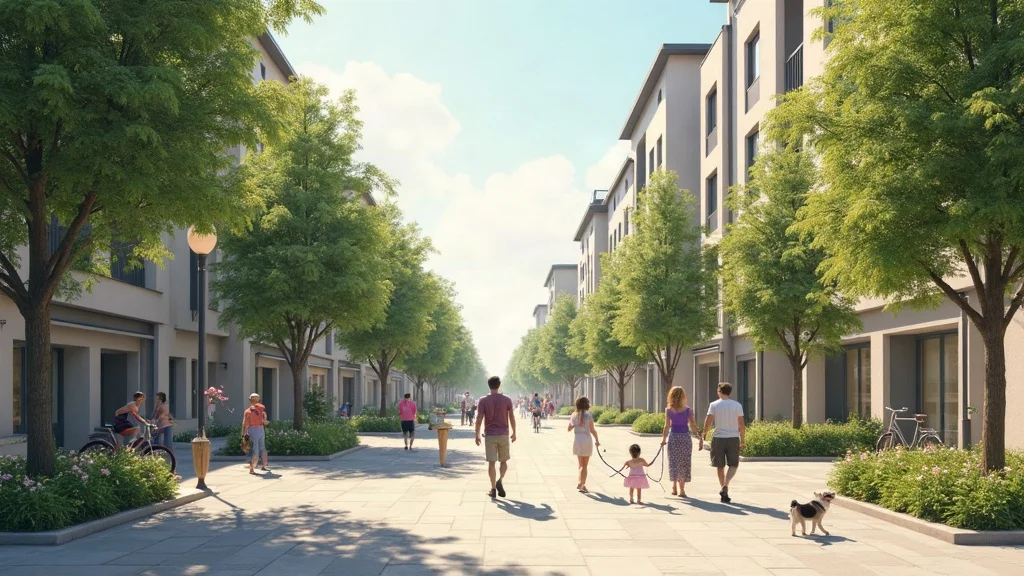
Imagine stepping into a bright, spacious apartment where your family feels not just at home, but truly secure—your daily commute is brief, schools are close, and your neighborhood buzzes with friendly faces and leafy sidewalks. For many renters, this is the dream: a place where comfort, safety, and convenience intersect. If you’re searching for 3 bedroom apartments in a safe neighborhood with a short commute, you’re not alone. The right move can transform your everyday routine, reduce stress, and boost everyone’s well-being. In this guide, we’ll show you how to find the perfect fit—and why it matters.
Discover the Advantages of 3 Bedroom Apartments in Safe Neighborhoods with a Short Commute
Choosing a 3 bedroom apartment in a safe neighborhood with a short commute brings real benefits to your family life and work-life balance. Whether you’re moving to bustling real estate hubs like nyc apartments or seeking calm in suburban settings, safety and easy transit access should top your list of priorities. Not only do these factors boost peace of mind, but they also expand your options for work, school, and leisure, making it possible to focus on what really matters—your family’s happiness.
Families increasingly look for spaces that offer both security and flexibility. A roomy 3 bedroom gives everyone space to live, work, and play under one roof, while a safer neighborhood supports daily routines, outdoor play, and restful evenings. Proximity to transit, schools, and urban conveniences ensures you spend more time together and less time commuting. With careful research and smart tools, you can identify neighborhoods in top cities like San Jose, Washington, Washington, DC, or Long Beach where these crucial elements converge, making your next move not just a change of address but a major life upgrade.
Imagine Your Ideal Family Home: Safety, Space, and Convenience Combined
Picture your family gathering in a sunlit living room, safe and relaxed after a short morning commute, surrounded by neighbors who care and streets where kids can play. That scenario isn’t just wishful thinking—it’s possible with the right approach. The best rental home options in cities like Fort Worth or San Antonio give you more than just square footage; they offer peace of mind, friendly amenities, and a community vibe that welcomes all ages. By prioritizing neighborhoods known for low crime and efficient commutes, you also gain access to stronger school districts and more robust local services, further enhancing your lifestyle now and for years to come.
As you evaluate your options, it’s helpful to stay informed about the latest trends and updates in apartment living. For ongoing insights and practical tips tailored to renters, you might find the Apartment Neighborhoods News resource especially useful as you navigate your search.

What You’ll Learn About 3 Bedroom Apartments in Safe Neighborhoods and Short Commute Options
How to identify safe neighborhoods for family-friendly apartments
Strategies to find 3 bedroom apartments with a short commute
Benefits of urban apartment safety and commute time optimization
What matters most for affordable 3 bedroom homes near transit
Why Choose a 3 Bedroom Apartment in a Safe Neighborhood with a Short Commute?
Safety and Peace of Mind in Residential Areas
Security is non-negotiable when home-hunting, especially if you’re moving as a family or sharing space with roommates who value tranquility. Many 3 bedroom apartments in safe neighborhoods boast enhanced features such as secure building access, well-lit walkways, and strong neighborhood engagement. Low crime rates and active local patrols create the sense of peace people crave in bustling cities and suburban sanctuaries alike. In places like Las Vegas or North Carolina, residents value knowing their children can walk to nearby parks and schools with confidence. This factor also supports mental health, better sleep, and a more vibrant day-to-day life for everyone in your home.
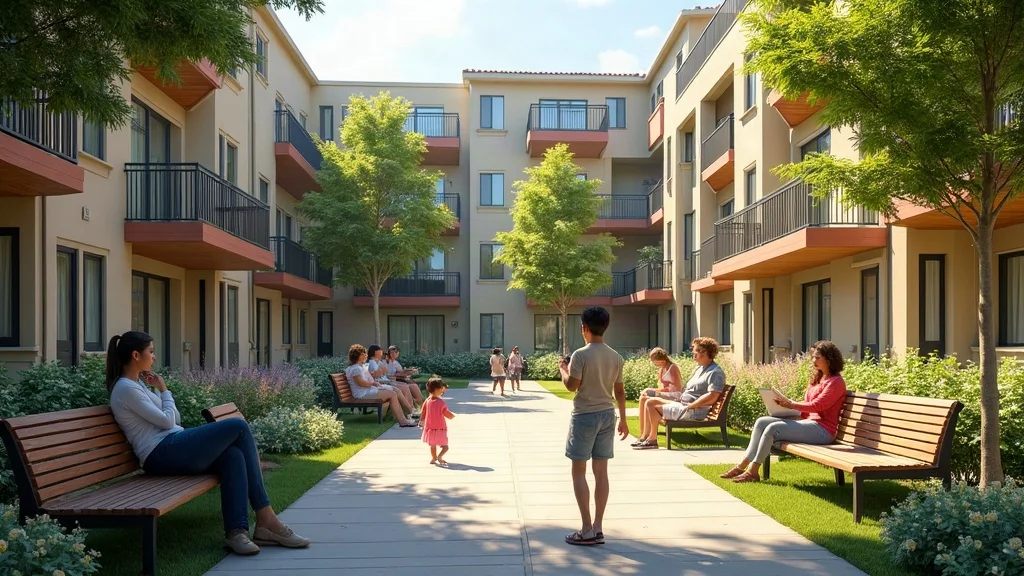
The appeal of living in a community-minded area extends beyond statistics. It’s about experience—knowing your neighbors, participating in local events, and enjoying communal spaces. Look for neighborhoods where safety is evident: functional streetlights, visible police or neighborhood watch presence, and friendly interaction among residents. These observable qualities matter as much as data and are key in making your rental home a trustworthy retreat, whether you’re in NYC apartments or the heart of South Dakota.
Short Commute Housing: Save Time, Reduce Stress
One of the hottest trends in choosing 3-bedroom apartments is prioritizing a safe neighborhood and a short commute. Living close to work, top schools, or public transit can save hours each week—time you can reinvest in family, hobbies, and self-care. Whether you’re eyeing San Francisco or Rhode Island, proximity to major hubs reduces transportation headaches, lowers stress, and lets you more fully enjoy community amenities.
Shorter commutes do more than cut down on exhaustion; they can also lower expenses, decrease your environmental footprint, and improve overall happiness. By researching neighborhoods where jobs, schools, and shopping all cluster within a short distance, you gain a significant edge—especially in popular real estate markets like Oklahoma City or Virginia mortgage areas. Consider using transit apps or consulting local commuters to test routes before committing, ensuring every minute gained is a step toward a better life balance.
How to Find 3 Bedroom Apartments in Safe Neighborhoods with an Optimized Commute
Leveraging Real Estate Tools to Compare Family-Friendly Apartments
Modern apartment hunting hinges on real estate technology and online comparison tools. Whether searching for apartments for rent in Long Beach or scoping city apartments for rent in Washington, DC, advanced platforms let you filter by neighborhood safety scores, commute times, and vital amenities. Interactive maps, detailed photos, and verified resident reviews help you spot hidden gems and avoid costly mistakes. Be sure to cross-check information provided by landlords with third-party review sites and public crime statistics for a more rounded view.
Families and professionals alike benefit from shortlisting properties with features beyond just bedroom count. Look for houses for rent near transit, local dining, and parks—these extra conveniences can make daily life smoother. Pay close attention to features like gated access, responsive property managers, and active community programs, all highly valued in top cities like San Jose, South Carolina, and beach real estate markets. Digital comparison charts, especially those tracking commute time and neighborhood safety, give you the confidence to move forward knowing you’re making an informed, family-friendly decision.

Commute Time Optimization: Analyzing Transit Access and Location
Reducing your commute starts with understanding transit networks and safe passageways. Cities like NYC and Fort Worth offer extensive public transport, but not all stops are equally convenient or close to safe residential clusters. Use official transit maps and third-party route planners to evaluate real distances—not just by miles, but by time during peak versus off-peak hours. Prospective renters should schedule test runs at potential apartments, noting rush hour slowdowns and any gaps in services. This small step often distinguishes a great move from one plagued by daily frustrations.
Safe neighborhoods near major bus or rail stations let residents skip gridlock and maximize every hour. In top cities or growing markets like West Virginia and North Dakota, flexible commute plans also contribute to work-life balance, helping modern families succeed. When comparing listings, prioritize locations with multiple route options—not just one. Proximity to express lines, well-lit crossings, and local rideshare pickup zones all add value for families who want to feel empowered and secure every day.
Comparison of Top Neighborhoods for Safety, Commute, and Apartment Features |
||||
Neighborhood |
Safety Score |
Average Commute (min) |
Transit Access |
Family Amenities |
|---|---|---|---|---|
Willow Glen (San Jose) |
High |
20 |
Light Rail, Bus |
Parks, Top Schools |
Battery Park (NYC) |
High |
15 |
Subway Access |
Waterfront, Playgrounds |
North Beach (San Francisco) |
Medium-High |
25 |
Cable Car, Bus Routes |
Diverse Dining, Green Space |
Ridglea Hills (Fort Worth) |
High |
18 |
Bus Lines, Bike Trails |
Parks, Community Centers |
Summerlin (Las Vegas) |
High |
22 |
Highway, Bus |
Pools, Security Patrol |
What Makes a Neighborhood Safe for 3 Bedroom Apartments?
Residential Area Safety: Key Factors and Hidden Gems
When searching for safe neighborhoods with 3 bedroom apartments, pay close attention to tangible features, not just crime rates. Areas with strong lighting, regular police patrols, and visible community engagement tend to feel safer and actually deter unwanted activity. Hidden gems often include smaller neighborhoods with solid word-of-mouth reputations, family-friendly parks, and quality local businesses that foster a true sense of belonging. Check for low vacancy rates and engaged property management, two reliable signals that residents feel secure and content.
It’s also worth evaluating how well-maintained common spaces are—clean, landscaped areas signal pride and responsibility among tenants and owners alike. From busy beach real estate markets to emerging South Carolina suburbs, safe living also means being able to walk, bike, and use local transit without concern. Ask neighbors and local community groups about their experiences—and trust your instincts as you tour, especially at different times of day. Safety is a combination of evidence and feeling, both of which are vital before you sign a lease for a rental home.
Urban Apartment Safety vs. Suburban Security: Pros and Cons
Urban apartment complexes, especially in thriving city apartment environments like NYC and Washington, DC, tend to offer high-tech security, on-site staff, and access control for added peace of mind. The tradeoff? While transit and amenities are at your doorstep, noise and density may be higher. Conversely, suburbia or smaller metros such as parts of West Virginia, North Dakota, or Fort Worth offer greater quiet, private outdoor space, and tightly knit communities. These areas may lack quick access to downtown but excel in close-knit security and space to grow.
Each option appeals differently depending on your lifestyle. Urban apartments are best for families who value walkability and city events; suburbs fit those seeking tranquility and more space for the same price. Either way, prioritize buildings with up-to-date locks, visible management, and neighborhood engagement programs. As one real estate professional notes:
“For families, a safe neighborhood is top priority. Look beyond statistics—assess lighting, walkability, and local community engagement.”
Checklist: 15 Questions to Ask Before Signing a Lease in a Family-Friendly Neighborhood
Is the neighborhood known for low crime rates?
Are there public transit options nearby for a short commute?
What schools serve the area?
Is the apartment building secure and well-maintained?
What amenities support family living?
How is traffic during rush hour?
Are parks and services accessible?
What’s the policy on pets?
How responsive is property management?
Is renter’s insurance required?
Are local businesses and grocery stores convenient?
Any upcoming developments that could impact safety or commute?
What have former residents said?
How are noise levels, day and night?
Are there neighborhood watch or civic groups?
Spotlight: 2027 Renter Priorities—Safety, Commute Time & Bedroom Count
Trend Analysis: What Today’s Families Really Want in 3 Bedroom Apartments
Rental market trends show clear shifts in family preferences. Modern renters want the best of all worlds: space, safety, short commutes, and community. Especially among Gen Z and millennial renters, there’s a growing emphasis on finding 3 bedroom options that match evolving needs—extra rooms serve as offices, classrooms, or space for guests. Families demand high standards in school districts, green spaces, and 24/7 neighborhood safety, not just a lower rent or pretty photos. In major regions like San Antonio, Las Vegas, or San Jose, we see more three-bedroom units designed with practical amenities—playgrounds, community lounges, and even smart home features.
As 2027 approaches, the intersection of technology and traditional community values shapes the ideal renter experience. Fast networks for remote work, access to fitness spaces, and well-connected transit now rival bedroom size in importance. To stand out, many property managers in top cities invest in improved lighting, safe pathways, and robust neighborhood groups. Whether it’s increased demand for apartments for rent in city apartments environments or the popularity of amenity-rich beach real estate options, priorities keep shifting towards multi-faceted living with a strong focus on safety and time management.

Move-In Checklist for 3 Bedroom Apartments in Safe Areas
Inspect apartment safety features
Test commute routes in peak hours
Meet neighbors and familiarize yourself with the community
Register for local alerts and services
Review lease details and included amenities
People Also Ask About 3 Bedroom Apartments in Safe Neighborhoods with Short Commute
How many can live in a 3 bedroom apartment?
A 3-bedroom apartment typically accommodates up to six people comfortably, following standard occupancy guidelines. This often means two people per bedroom, making it a flexible option for families, roommates, or multi-generational households. However, local regulations or building policies—sometimes seen in nyc apartments or san francisco—may vary, so it’s wise to confirm maximum occupant levels before signing a lease.
Is it true that Gen Z prefers to rent?
Yes, recent trends show that Gen Z renters are more likely to value flexibility and urban convenience over homeownership, especially in vibrant real estate hubs like san jose or Washington, D.C. This generation prioritizes short commutes, safe urban living, community amenities, and the ability to move when new opportunities arise—making rental homes, especially multi-bedroom and city apartments, an increasingly popular choice.
What is the 30% rule for apartments?
The 30% rule is a budgeting guideline suggesting that renters should spend no more than 30% of their gross monthly income on housing. This includes rent and utilities, helping ensure you have enough left for essentials and savings. In expensive real estate markets like NYC apartments for rent or Long Beach real estate areas, this rule can be challenging but serves as a helpful benchmark for responsible budgeting.
Is 700 sq ft a small apartment?
At 700 square feet, an apartment is considered small to moderately sized, generally suitable for singles, a couple, or a small family. For comparison, a 3-bedroom apartment typically ranges from 1,000 to over 1,400 sq ft. Compact, thoughtful layouts in city apartments for rent or beach real estate locations can make even smaller spaces feel comfortable and functional with the right use of storage and communal amenities.
Expert Answers to Common Questions on Apartment Size and Safety
Choosing a 3-bedroom apartment in a safe neighborhood with a short commute means considering not just space, but secure access, sound property management, and local trends. Experts recommend balancing your space needs with safety features—prioritize secure entrances, community programs, and proximity to work or school transit for maximum convenience and peace of mind. When in doubt, visit multiple times and talk with current residents to get honest feedback about the area’s real feel and everyday livability.

Frequently Asked Questions: 3 Bedroom Apartments, Safety & Commute
Can I find affordable 3 bedroom apartments in safe city neighborhoods?
How do I verify the neighborhood’s safety before moving in?
What are typical amenities for families in apartment complexes?
Do apartment locations near transit stations impact rent?
How does school district affect apartment choice for families?
Key Takeaways on 3 Bedroom Apartments in Safe Neighborhoods with Short Commute
Balance safety, commute, and quality of life in your next apartment search
Use location, transit, and neighborhood tools to maximize convenience
Prioritize community and family-friendly amenities for the ideal fit
Get Connected: Sign Up for Local Renter Resources and Family-Friendly Living Tips
Ready to make your next move smarter and safer? Join Apartment Neighborhoods for exclusive renter resources, family-friendly living ideas, local event invitations, and practical apartment-living advice. Align your goals with true comfort, security, and convenience—subscribe now and get the latest tips on finding the perfect 3 bedroom apartment in a safe neighborhood with a short commute!
If you’re eager to deepen your understanding of apartment living and stay ahead of the curve, exploring the broader landscape of rental trends and neighborhood insights can be invaluable. The Apartment Neighborhoods News platform offers a wealth of expert perspectives, market updates, and community stories to help you make informed decisions. Whether you’re a first-time renter or planning your next big move, tapping into these resources can empower you to find not just a place to live, but a place to thrive. Take the next step and discover how the right knowledge can transform your apartment search into a truly rewarding experience.







Write A Comment