







The Evolving Age Demographics of U.S. Renters and Homeowners
Over the past two decades, the U.S. housing landscape has undergone a notable transformation. We are witnessing an aging trend among both renters and homeowners that is reshaping our communities and neighborhoods. Currently, individuals in their 30s represent the largest demographic of renters, supplanting the 20-somethings who dominated the rental market two decades ago.
Why Are 30-Year-Olds Now the Dominant Renters?
This shift towards a more established renter demographic can be attributed to various socio-economic factors. Many individuals in their 30s are delaying homeownership as they navigate student debt, fluctuating job markets, and the rising costs of living. An increase in urbanization trends has also led many young professionals to seek proximity to their workplaces and lifestyle amenities that are often found in rental properties. This inclination to rent allows greater flexibility, which is especially valuable in an ever-changing job landscape.
The Rise of Homeowners in Their 60s: What It Means
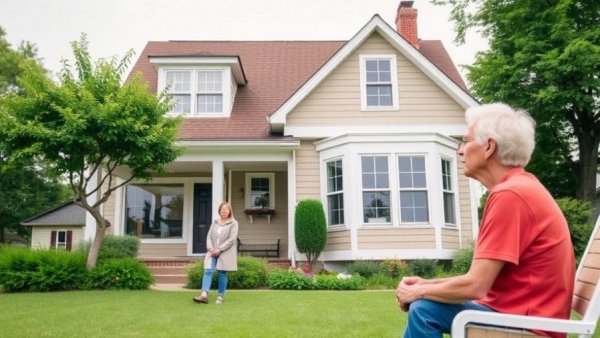
On the flip side, the homeowner demographic is also evolving. Latest data reveals that individuals in their 60s have outpaced those in their 40s as the leading group of homeowners. This trend is indicative of the aging population of baby boomers who are looking to settle down rather than move to larger homes. It also reflects a period when many older adults are financially stable and prefer to stay in the homes they’ve built over decades of hard work. Interestingly, this shift showcases a changing dynamic within neighborhoods, where older residents increasingly contribute their years of experience and wisdom while also blending with younger renters.
Building Community Connections Across Generations
The changing demographics of renters and homeowners signal significant implications for community dynamics in cities like Charlotte. As 30-year-olds take the lead in the rental market, they bring fresh ideas and energy, while their older counterparts offer knowledge and stability in homeownership. This intergenerational interaction can foster meaningful relationships that benefit the entire neighborhood. For example, younger renters may find mentorship and advice from older homeowners, while sharing technology skills and new community trends in return.
What This Means for Current Apartment Renters
For current apartment renters, understanding these demographic shifts can provide crucial insights into housing trends and community developments. As rental markets adapt to accommodate a more mature renter demographic, it may result in enhanced amenities catering to diverse needs, including workspace options and communal areas that encourage connection. By fostering a sense of community, renters can engage in local activities or events, enriching their living experience.
Looking Toward the Future of Housing
As we think about the evolving housing landscape, it's essential to consider how these shifts impact future trends in urban planning and development. With the growing number of adult renters in their 30s, city planners may prioritize creating more accessible rental properties and communal spaces that reflect the needs and aspirations of this demographic. Conversely, the needs of older homeowners might lead to the development of age-friendly resources, ensuring that communities remain inclusive and supportive for all ages.
Your living situation reflects your lifestyle and choices. As demographics shift, those who currently rent can embrace the opportunity to engage with their communities, sharing in the diverse experiences of fellow renters and homeowners to create vibrant neighborhoods. Reach out, participate in your local community events, and actively shape the future of your living space!





Write A Comment