




Add Row
Add Element
Apartment Neighborhoods News
update
Apartment Neighborhoods News
update
Add Element
  • Home
  • Categories
    • Real Tenants
    • Amenity Insider
    • Event Hub
    • Neighborly Know-How
    • Lifestyle & Décor
    • Family Niche
    • Apartment Market
    • Apartment Neighborhoods Blog
SUBSCRIBE TO NEWSLETTER 
  • update
  • update
  • update
  • update
  • update
  • update
  • update
February 22.2025
2 Minutes Read

Exploring the Cultural Beauty of Middle Eastern Living Rooms

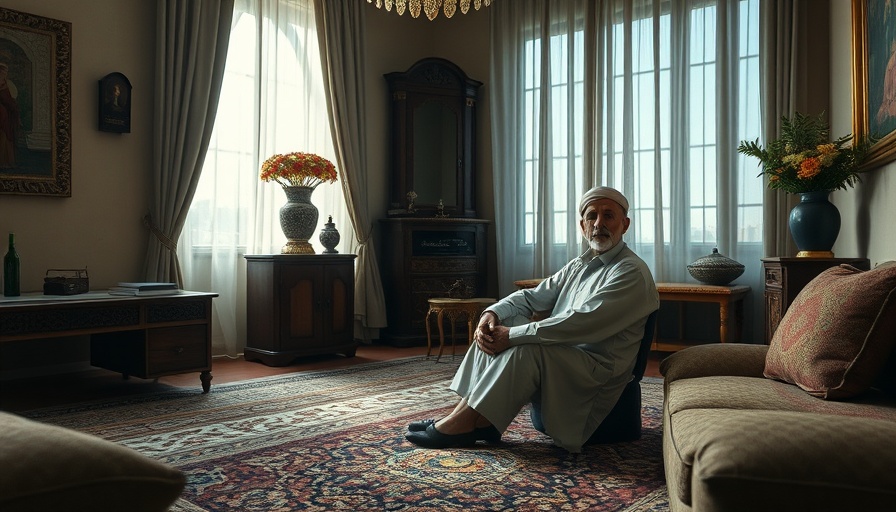
Traditional Middle Eastern living room with an older man and ornate decor.

Capturing Culture: A Look into Middle Eastern Living Rooms

When one thinks of the Middle Eastern living room, images of vibrant colors, rich textures, and intricate details come to mind. From Istanbul to Tabriz, these spaces are not just places for daily living; they are personal archives of history and culture, reflecting the identities and traditions of their inhabitants. Renowned photographer Miriam Stanke's recent book, Living Rooms, features the work of 41 photographers who explore this aesthetic blend of personal and political narratives embedded in these familial spaces.

The Unspoken Language of Living Rooms

Many living rooms in the Middle East reveal a lot about their owners without uttering a word. The decor often includes layered rugs, jewel-toned drapery, and sentimental mementos that connect the inhabitants to their ancestral roots. In her observations, curator Romaisa Baddar describes this aesthetic as “often dismissed as 'kitsch,'” but these patterns are a dynamic form of self-expression and cultural pride, standing in stark contrast to contemporary trends that lean towards minimalism.

Bridging Heritage with Modernity

In exploring how Middle Eastern living rooms tell a story of cultural heritage, we find pieces like a Palestinian keffiyeh adorning a wall or a traditional Syrian table as powerful reflections of identity. For families, these items offer a sense of belonging, serving as tangible links to their homeland, especially for those living in diaspora. Baddar emphasizes this melding of heritage with modernity, noting that the living rooms are emotional canvases showcasing resilience, history, and the intricate dance between tradition and contemporary life.

Life Beyond the Shadows of Conflict

One notable aspect of the photographs in Living Rooms is the deliberate absence of conflict, a theme that often overshadows narratives about the Middle East. Instead, these images provide a glimpse into joyful and mundane daily activities—like family gatherings or momentary stills of a mother braiding her son’s hair—highlighting a life full of laughter amidst underlying complexities. By doing so, this book invites viewers to appreciate the beauty of everyday moments that extend beyond headlines and turmoil.

Preservation and Pride in Personal Spaces

As noted in the discussions surrounding these living spaces, there's a prevalent culture of preservation in Middle Eastern homes. Many families protect their furniture with plastic coverings and cherish their belongings, showcasing an intrinsic respect for heritage. As noted by architectural experts, these rituals signal a determination not only to maintain physical belongings but also to uphold shared memories, family connections, and cultural pride.

Conclusion: More than Just Decorative Spaces

The visual narrative offered in Living Rooms showcases much more than beautiful interiors; it illuminates the vivid stories and identities within each family. As we navigate through these photographs, we are reminded that, in the realm of living spaces, it’s the layers of culture, history, and emotion that truly define what a home means to its inhabitants.

Lifestyle & Décor

44 Views

0 Comments

Write A Comment

*
*
Related Posts All Posts
01.10.2026

Bay Ridge Condo Scam: Families Reclaim Their Lost Funds and Hope

Update Triumph for Bay Ridge Families: Justice at Last The long, arduous journey for the families scammed in the Bay Ridge condo scandal has reached a significant milestone. Attorney General Tish James announced last Friday that a staggering $4.2 million, coupled with ten years' worth of interest, will be returned to families who were taken advantage of by the fraudulent developer, Xi Hui "Steven" Wu. In a heartfelt statement, James affirmed, “This order returns money to the families Wu cheated and ensures he can never again exploit New Yorkers through fraudulent real estate schemes.” The aftermath of this case highlights the plight of working-class immigrants who trusted a community pillar only to realize they had been sold a heartbreaking lie. A Closer Look at the Scam: A Community’s Betrayal When Wu began advertising condos at 345 Ovington Avenue over a decade ago, he quickly gained the trust of the local Chinese immigrant community. Many families placed their life savings on the line, believing they were investing in their future. Vendors took deposits ranging from $100,000 to $460,000, only to later find out that Wu never secured the necessary legal approvals to sell these units as condos, making the deals void. As families moved in, furnished their apartments, and settled into their new lives, Wu pocketed over $5 million. When the building entered foreclosure due to Wu's failure to pay his mortgage, he vanished, leaving these families without their savings and on the brink of eviction. The Path to Justice: A Coalition of the Caring The Attorney General's lawsuit, initiated in 2022, was a crucial turning point. Local officials, alongside advocacy organizations, intervened to halt foreclosure proceedings, allowing the families a chance to hold onto their homes. Wu’s fraudulent actions were not only a personal betrayal but a breach of trust that several community members faithfully invested in. As testimony rolls in, it’s clear the devastating effects extend beyond financial loss; they have left scars of emotional distress and anxiety over loss of home. Councilmember Justin Brannan emphasized, “The immigrant families at 345 Ovington Avenue were hoping to establish themselves as homeowners for the very first time – the American Dream. Instead, they were sold a lie by a crooked developer.” The Road Ahead: Rebuilding Trust in the Community With the announcement of compensation, hope now shines for these families. They will be able to purchase their units under a rent-to-own plan, facilitating a sense of security and stability during a tumultuous time. The building may soon transition into a cooperative, allowing these families true ownership of their homes, finally realizing their dreams. Yet, there remains a lingering need for communal rebuilding and education on housing rights to prevent such deception from occurring again. Working with local advocates can ensure that families understand their rights and avenues for protection against potential fraud. Conclusion: A Call to Action for Community Support As the Bay Ridge families await their substantial financial recovery, it is vital for other community members to stay vigilant and informed about their housing rights. If you suspect any fraudulent activity or have questions regarding property transactions, reach out to community support organizations that focus on fair housing practices. Their guidance could mean the difference between security and uncertainty. Stay connected, stay informed, and remember, in the journey towards justice, collective support can go a long way.

01.09.2026

DOMOTEX 2026: Embracing Change for a Holistic Design Future

Update Exciting Changes Await at DOMOTEX 2026 The upcoming DOMOTEX 2026 event is set to unveil a fresh and exciting vision for the flooring and design industry. Kicking off on January 19, 2026, the fair marks a significant transformation, moving beyond its traditional roots in rugs and expanding its focus to encompass a holistic perspective on interiors. This reimagining reflects contemporary lifestyle trends, underscoring the integrative role design plays in our environments. No More Rugs: A More Holistic Approach The most notable shift for DOMOTEX 2026 is the departure from a focus on rugs. The event is evolving to present a comprehensive view of interiors that considers materials, technology, and the overall functionality of spaces. It embraces how our living areas serve multifaceted purposes, merging aesthetics with emotional well-being and ergonomic design. This shift acknowledges that flooring, while important, should work cohesively within a larger architectural narrative rather than as a standalone feature. A Biennial Rhythm for Sustainable Innovation Another exciting update is that DOMOTEX will now occur every two years, starting in 2026. This change is not simply logistical; it symbolizes a strategic commitment to deeper innovation and sustainability. With this biennial format, there is more time for exhibitors to cultivate meaningful products and research, leading to higher-quality showcases and presentations. This intentional pacing aligns with the evolving nature of design thinking, which values depth over frequency. Under the Theme: Creating Rooms – Transforming Spaces The overarching theme for DOMOTEX 2026, "Creating Rooms – Transforming Spaces," encapsulates the essence of this restructured fair. It promises to feature diverse flooring categories such as parquet, laminate, and textile coverings alongside expanded elements of interior design including paints, wallpapers, and acoustic solutions. By presenting these areas together, DOMOTEX fosters valuable synergies amidst different design fields, cultivating a rich ground for collaboration and innovation. Exciting New Features and Spaces The fair will introduce dedicated areas like The Stage @ DOMOTEX for trend talks and panels, alongside thematic highlights such as The Green Collection emphasizing sustainability. These new spaces intend to inspire networking, education, and interactive engagement within the creative community, making DOMOTEX a vibrant hub for forward-thinking ideas. Join the Conversation As a special highlight, the opening keynote by Holly Becker will delve into the connection between environmental functionality and emotional well-being—a subject with growing relevance in today's design climate. Attendees can look forward to an enriching program featuring influential discussions around modern design trends, stimulating both creativity and curiosity. As we approach DOMOTEX 2026, it is evident that this event serves not just as a trade fair but as a platform for exploring innovative solutions and redefining the spaces we inhabit. Don't miss this unparalleled opportunity to witness and engage with the future of interior design!

01.09.2026

Fort Greene's Butter-Yellow House Faces Demolition: What It Means for Local History

Update The Fate of Fort Greene's Beloved Butter-Yellow House The charming butter-yellow house located at 158 South Oxford Street in Fort Greene, Brooklyn, is on the brink of demolition. Dating back to 1860, this picturesque Italianate wooden country house has stood proud with its lacy gingerbread details and wide, welcoming porch, offering a glimpse of a bygone era. Architect Suzanne Spellen, a local historian, highlighted the home's beauty and its declining number, lamenting that it never made it to any landmark status. Now, documents reveal that the house will be replaced by a new five-story building housing 17 apartments, leaning towards the luxury condo market. A Lost Opportunity for Preservation? The charm of this home has captivated many over the years, particularly those who appreciate Fort Greene's historic architecture. The area is home to few 19th-century wooden-frame houses as it evolves. Holding a deep connection to the neighborhood, many residents and fervent advocates for preservation argue that losing such a unique symbol of Fort Greene is a profound mistake. As Spellen noted in her previous writings, "There are only a handful of these houses left, and very few in such good shape"; this sentiment resonates with local arts advocates who recognize the importance of this structure as part of their community heritage. Historical Significance and Current Realities Once owned by artists, including the renowned Richard Artschwager, the house has been maintained well enough to attract renters, with a current listing that boasts a spacious duplex along with picturesque outdoor space—a rarity in Brooklyn. Current owner Marc Lambrechts has taken care to uphold the property’s longstanding history while providing living space in a vibrant urban environment. Despite its history, the house was left off the list for any historic district expansions, which opens the doors for developers like Shimon Kleinman of Borough Developers to move ahead with plans for demolition. Reports note that his portfolio primarily features upscale condos characterized by modern aesthetics, which starkly contrasts with the historical allure of the butter-yellow mansion. Community Reactions and Future Insights The impending demolition sparks heated discussions within the community. Many residents feel a loss of identity as developers move in with plans for high-density housing. A significant number of locals question the focus on building luxury apartments at the expense of preserving cultural landmarks that give Fort Greene its unique character. This ongoing transformation of Fort Greene raises critical questions about development priorities. As discussions on local vs. global perspectives on urban preservation grow, residents are left wondering if new apartment buildings truly serve their community or simply cater to a wave of affluent newcomers. Call to Action: Join the Conversation About Preservation As Fort Greene approaches a defining moment in its history, the community is encouraged to speak up. Knowing about structures that define your local landscape can transform how neighborhoods are developed. Stay informed, advocate for preservation, and participate in community discussions regarding local development to help keep your neighborhood's legacy alive.

Terms of Service

Privacy Policy

Core Modal Title

Sorry, no results found

You Might Find These Articles Interesting

T
Please Check Your Email
We Will Be Following Up Shortly
*
*
*


