







Did you know that the average rent in Charlotte NC has jumped by over 20% in the past three years? As one of the Southeast’s fastest-growing rental markets, Charlotte’s rental landscape is evolving rapidly—causing both excitement and concern for renters.
What You’ll Learn
- Latest rental price trends in Charlotte NC
- How average rent compares by neighborhood
- Tips to find affordable rents in a competitive market
Surprising Trends in Rental Prices in Charlotte NC
- The average rent in Charlotte NC has increased by over 20% in the last three years.
- Charlotte has become one of the fastest-growing rental markets in the Southeast.

“Charlotte’s rental market is among the most dynamic in the nation.” – National Apartment Association
Over the past few years, rental prices in Charlotte NC have accelerated beyond expectations, outpacing many comparable metropolitan areas. Fueled by rapid job growth, an expanding tech sector, and a population boom, Charlotte has quickly earned a spot among the most sought-after cities for both residents and investors. As the city attracts newcomers, demand for apartments for rent and all bedroom types in Charlotte has soared, putting consistent upward pressure on prices.
Beyond simple year-over-year increases, Charlotte stands apart because of the speed and consistency of its rent escalations. For example, in 2021 the average rent for a one-bedroom apartment in Charlotte hovered around $1,150. Today, that same property type routinely fetches above $1,400 per month. This growth isn’t isolated to luxury units or expensive neighborhoods; even affordable neighborhoods in Charlotte NC have seen rents inch higher as demand spreads beyond Uptown and South End.
These trends reveal a tightening rental market where renters pay more for less space, making it vital for anyone considering relocation or a move within the city to closely monitor prices in Charlotte and plan ahead. If you’re wondering whether this rise will continue, read on for a closer look at current rent prices, neighborhood differences, and tips for finding a great deal.
How Rental Prices in Charlotte NC Compare: Understanding Average Rent
When exploring rental prices in Charlotte NC , understanding how the city stacks up against nearby markets—and what’s driving those figures—is key. Charlotte’s rising rent prices reflect local influences, as well as broader patterns seen in other high-growth cities. Practical examples abound: a prospective renter looking for a studio in Plaza Midwood or South End in 2024 will quickly find that average asking prices are notably higher than in previous years, underscoring the urgency many renters feel as they compete for limited units.
Because rent in Charlotte increasingly mirrors that of major Southern cities, some renters are beginning to weigh costs and amenities in different areas more carefully. While the average rent in Charlotte is higher now, value-conscious renters can still find relative bargains by comparing popular neighborhoods, property types, and building ages. In the next sections, we’ll break down the current averages and explain what shapes these prices.
What Influences Rent Prices in Charlotte?
- Job market growth
- Population influx
- Urban development
The rapid escalation of rent prices in Charlotte is tied closely to major economic and demographic trends. The robust job market—especially fueled by expanding tech and finance sectors—draws young professionals and families seeking new opportunities. Population influx from other states, particularly those relocating from higher-cost urban centers, exerts additional pressure on housing supply.
Urban development, including new apartment complexes in Uptown, South End, and emerging neighborhoods, reshapes the city skyline and introduces new property types to meet growing demand. However, the pace of new construction often lags behind the swell of new residents, causing rent price averages to rise citywide. Stability and rental value in Charlotte routinely come down to a supply-vs-demand calculation—which means that even as supply tries to catch up, rent prices can be volatile.
Consider also the persistent influence of remote work and hybrid schedules post-2020. These factors allow more people to choose where they live, and Charlotte’s balance of urban amenities and access to outdoor spaces makes it a preferred destination, continuing to intensify competition for available units.
Current Average Rent in Charlotte: Key Figures
| Unit Type | Average Rent (2024) |
|---|---|
| Studio | $1,250 |
| 1 Bedroom | $1,400 |
| 2 Bedroom | $1,650 |
| 3 Bedroom | $2,050 |
“The rise in average rent in Charlotte is a direct result of record-high demand.” – Apartment Data Research
The latest data confirms that average rent in Charlotte continues to set new records each quarter. Studio apartments—often sought by students and single professionals—now average around $1,250, while a one-bedroom apartment in Charlotte hovers at $1,400. As renters pay higher rates, especially for larger units, the city’s average monthly housing budget is trending upward for most households.
When choosing among different property types in Charlotte, renters should be aware that two-bedroom and three-bedroom units, favored by families and roommates, command a significant premium. In high-demand or expensive neighborhoods in Charlotte such as Myers Park and South End, these figures are often even higher, sometimes exceeding $2,300 for a three-bedroom apartment. These price trends make it more important than ever to shop smart and consider alternative neighborhoods when apartment hunting.
It’s also worth noting that these average rent prices include both new luxury apartments for rent and older, less expensive properties. Savvy renters can often save by targeting specific property types, neighborhoods, or by timing their search during the slow rental season.
The Cost of Living and Rent in Charlotte: What to Expect
- Median household income relative to rent prices in Charlotte
- Utility, transportation, and other housing costs in local neighborhoods
Understanding cost of living when considering a move to Charlotte goes well beyond the monthly rent payment. Renters must factor in utilities, transportation, insurance, and everyday expenses—each of which fluctuates depending on the neighborhood and the type of property chosen. For example, while rent in Charlotte skews high in city-center locations, more suburban areas might offer lower average rent but could introduce higher commuting costs or additional fees.
The median household income in Charlotte has risen along with rent prices, but not always at the same pace. This creates pressure for many, as the recommended budget guideline of spending no more than 30% of gross income on housing is increasingly difficult to meet, particularly in expensive neighborhoods. Smart budgeting and neighborhood research remain essential for anyone looking to balance housing costs against other key cost of living factors in the area.
Local real estate experts also point out utility bills and transportation as significant line items. Properties closer to public transit or equipped with energy-efficient amenities may help offset higher rent prices for some residents. Others may benefit by seeking bundled deals or incentives offered by landlords, especially in newly developed parts of Charlotte.

How Rent Prices Affect Overall Cost of Living
As rent prices in Charlotte escalate, renters find their disposable income squeezed—even if their salaries keep pace with statewide averages. The true cost of living emerges when accounting for everything from rent and utilities to transportation and basic necessities such as groceries or healthcare. Higher average rent in Charlotte, compounded by increasing energy and insurance costs, means that many renters must consider shared living situations or seek out affordable neighborhoods in Charlotte NC to make their budgets stretch further.
Some property types or locations may offer a better overall cost of living by including certain utilities, offering low-cost amenities, or reducing transportation needs. For instance, renters who can walk to work or who live near public transportation often see significant monthly savings, even if they pay slightly higher rent. As each neighborhood presents a different tradeoff between rent and related expenses, smart research and local expertise are invaluable to finding a sustainable arrangement.
Ultimately, it’s not just the prices in Charlotte that matter—savvy renters look at the full picture and use a holistic cost-of-living strategy to ensure long-term affordability and satisfaction.
Neighborhoods in Charlotte: Where Are Rental Prices in Charlotte NC Highest and Lowest?
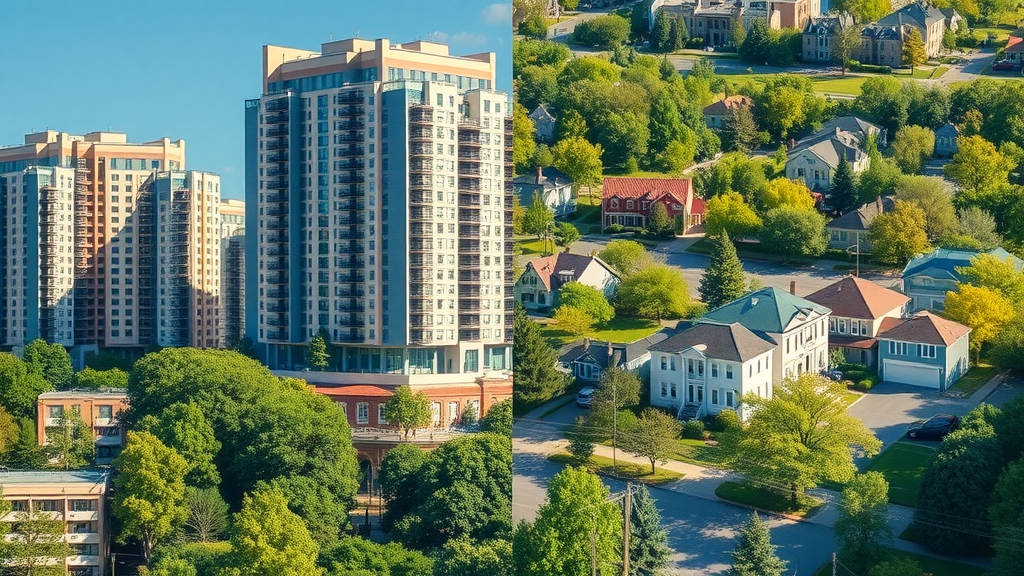
Charlotte’s reputation as a city of contrasts is nowhere more apparent than in its neighborhoods, where rental prices in Charlotte NC vary dramatically block by block. Whether you’re looking for the excitement of Uptown’s urban buzz or the affordability of West Charlotte, understanding which areas rank as the most expensive neighborhoods in Charlotte—and where affordable neighborhoods in Charlotte NC can still be found—will make all the difference in your search.
Savvy renters know that neighborhood selection affects not only average rent but also access to amenities, transit, and lifestyle choices. Below, we profile the most expensive and affordable options, along with several popular neighborhoods for all types of renters.
Expensive Neighborhoods in Charlotte NC
- Uptown
- South End
- Myers Park
“Uptown remains the priciest area for renters in Charlotte, reflecting ongoing demand for city-center living.”
Uptown tops the list of most expensive neighborhoods in Charlotte NC, bolstered by luxury apartment complexes, high-end condos, and office towers. The central location appeals to professionals who value walkability and proximity to office centers, major sports arenas, and cultural attractions. Average monthly rent for a one-bedroom apartment here can easily surpass $2,000—a price point driven by demand for convenience and upscale amenities.
Not far behind, South End and Myers Park offer distinctive blends of historic charm and modern real estate developments. South End, a favorite among young professionals, is known for its lively nightlife, trendy restaurants, and proximity to the LYNX light rail. Myers Park features tree-lined streets and stately homes, commanding some of the city’s highest rents per square foot. For those seeking luxury, these neighborhoods deliver unparalleled lifestyle options, but many residents are paying a steep premium.
Living in any of these expensive neighborhoods in Charlotte typically means access to the best features—fitness centers, rooftop terraces, secure garages, and pet-friendly policies. However, the price of living in these districts is much higher than the city’s average rent, so careful budgeting and income planning are essential.
Affordable Neighborhoods in Charlotte NC
- University City
- West Charlotte
- Hidden Valley
“Charlotte offers a range of prices, but savvy renters can still find affordable neighborhoods with great amenities.” – Local Realtor
Not every renter in Charlotte faces sky-high prices. University City , West Charlotte , and Hidden Valley consistently offer more affordable rents, making them attractive to students, families, and those seeking larger spaces for less. In these affordable neighborhoods in Charlotte NC, average rents for a two-bedroom apartment can dip as low as $1,200—well below Uptown rates.
University City is particularly notable for its proximity to the University of North Carolina at Charlotte, robust transit options, and plentiful retail amenities. Meanwhile, West Charlotte and Hidden Valley offer larger lots, more green space, and a community-focused lifestyle. These areas may not have the same concentration of new luxury buildings as in expensive neighborhoods, but they provide a compelling value proposition with access to parks, schools, and shopping centers.
For renters pay close attention to budget and amenities, these affordable neighborhoods deliver quality housing choices—especially for those willing to explore beyond Charlotte’s best-known districts.
Popular Neighborhoods for Renters in Charlotte
- Plaza Midwood
- NoDa
- Dilworth
Several popular neighborhoods in Charlotte bridge the gap between high and low rent, and are recurring favorites among first-time renters, young professionals, or those seeking a community vibe. Plaza Midwood and NoDa (the city’s arts district) are hubs for nightlife and culture, while Dilworth offers historic bungalows and tree-lined avenues just minutes from downtown. Average rent in these areas fluctuates, but the lifestyle benefits often justify the price.
For those looking to balance vibrant city living with relative affordability, these popular neighborhoods in Charlotte provide both walkable amenities and character—making them ideal entry points for new residents or anyone seeking a true city experience.
Rental Market Movement: Are Rent Prices in Charlotte Still Rising?
- 2023 vs. 2024 rental price trends
- Seasonal volatility affecting rent in Charlotte
The big question for renters and investors alike: Are rent prices in Charlotte NC still rising? Data from 2023 to 2024 reveal that, while the explosive double-digit growth of previous years has tempered, Charlotte rent remains on an upward trajectory. Seasonal market volatility—particularly during spring and summer—can spark temporary surges, but the general trend continues to favor landlords.
For example, in peak rental seasons, new listings in popular neighborhoods often receive multiple applications in the first week. While some slowing is possible as new apartment buildings come online or market conditions soften, experts predict underlying demand will remain strong as long as the area’s economic fundamentals persist. Renters should remain proactive, researching current price trends and preparing documentation in advance of their hunt.

Factors Driving Increased Rent Prices in Charlotte NC
- High demand from new residents
- Low housing inventory
- Expanding tech and finance sectors
Three core factors fuel the escalating rent prices in Charlotte: a surge of new residents attracted to jobs and lifestyle, persistent low housing inventory, and the ongoing expansion of higher-paying tech and finance industries. These dynamics combine to siphon available rentals off the market quickly—driving up the average rent for all bedroom apartment types in Charlotte.
The supply of new apartment units is gradually increasing, but with demand still outpacing supply in most neighborhoods, rental prices are unlikely to level off substantially in the near term. Local real estate information suggests that as long as in-migration and job creation remain robust, renters will need to keep a close watch on prices in Charlotte, adapt quickly, and seize value opportunities when they appear.
Renters pay the price in the form of competition and limited availability, especially in preferred neighborhoods. Landlords, meanwhile, often utilize market data from commercial real estate sources to set ever-higher asking prices, making it essential for renters to stay informed and act quickly.
Rent Price Guidance: Average Rent in Charlotte vs. Other NC Cities
| City | Average Rent (1BR, 2024) |
|---|---|
| Charlotte | $1,400 |
| Raleigh | $1,350 |
| Greensboro | $1,100 |
| Winston-Salem | $1,050 |
Compared to other major markets in North Carolina, rent for a one-bedroom apartment in Charlotte ranks at the top. Raleigh comes close, reflecting a similarly robust job market and growth trajectory, while Greensboro and Winston-Salem remain more affordable alternatives for budget-conscious renters. For those willing to consider surrounding cities, substantial savings are often possible.
Still, Charlotte’s rental market provides unmatched access to high-paying jobs, entertainment, and cultural amenities not as readily found in other NC locales. The tradeoffs between rent price, convenience, and lifestyle perks require careful consideration—one reason why many new residents opt to rent in Charlotte despite higher costs.
How Charlotte’s Rent Compares to National Averages
- Charlotte’s rent price vs U.S. average
- Affordability in a national context
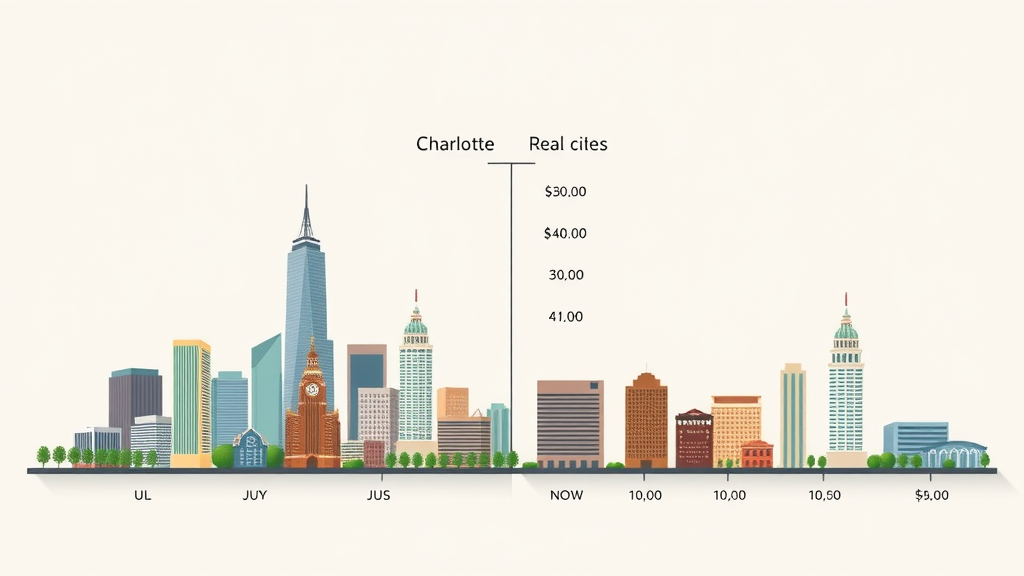
Charlotte’s average rent lands slightly above the national average , but is still lower than cities like New York, San Francisco, or Washington D.C. That said, steep increases over the past two years have narrowed the affordability gap, particularly for new arrivals from lower-cost markets.
Value-oriented renters find that larger bedroom apartments in Charlotte, while pricier than most other North Carolina cities, remain more affordable than in the nation’s top-tier metros. Rent for all bedroom types in Charlotte offers a reasonable balance between cost and quality of life, drawing many from pricier urban areas seeking more space and amenities.
When planning a move, it pays to review national rental benchmarks and evaluate local cost of living with a clear view of your long-term needs and career plans.
What You Need to Know About Rent Prices in Charlotte NC (2024)
- Current rental stats
- Upcoming market predictions
- Incentives and deals for renters
For 2024, rental prices in Charlotte NC remain among the highest in the state. Prospective renters should expect stiff competition for popular units—especially in brand-new developments. However, real estate market watchers predict some relief as more apartments for rent reach completion throughout the year, with select landlords offering move-in specials, waived fees, or reduced rents to fill newly built units.
Stay alert to seasonal fluctuations and be ready to negotiate for incentives, particularly during off-peak months. Monitoring local real estate information and apartment market listings is key to snagging the best deals before they're gone.
How to Find the Best Rent in Charlotte: Tips for Savvy Renters
- Timing your search for the best deals
- Exploring affordable neighborhoods
- Leveraging move-in specials and rent concessions
Smart renters take action with the following strategies:
- Time your search: Look for apartments from November through February, when rental demand is lower and landlords may offer savings.
- Target affordable neighborhoods: Expand your search to include areas like University City, West Charlotte, or Hidden Valley, where rent prices are much more manageable.
- Negotiate and ask for deals: Landlords, especially in new buildings, frequently offer discounted rent or move-in specials to fill vacancies.
Use apartment market research sites and neighborhood guides to compare listings and spot value opportunities, and team up with a local real estate expert to track new incentives as they hit the market.
People Also Ask
Is rent expensive in Charlotte, NC?
- Rent in Charlotte is above the state average and similar to other metropolitan regions in the Southeast.
- Expensive neighborhoods in Charlotte elevate overall averages.
On balance, the average rent in Charlotte is higher than most other North Carolina cities, with some neighborhoods—such as Uptown, Myers Park, and South End—skewing the citywide average. While it doesn’t reach the heights of cities like San Francisco, rent in Charlotte is becoming expensive compared to local wages, particularly in newer and centrally located buildings.
What is the cheapest area to live in Charlotte, NC?
- Neighborhoods like Hidden Valley and West Charlotte consistently offer the most affordable rents.
For budget-conscious renters, areas like Hidden Valley and West Charlotte stand out as the cheapest neighborhoods in Charlotte NC. These communities feature lower average rent, larger living spaces, and convenient access to local amenities—making them great options for students, families, or anyone seeking affordable housing within city limits.
What city in NC has the cheapest rent?
- Cities like Winston-Salem and Greensboro usually provide lower average rents than Charlotte.
Within North Carolina, Winston-Salem and Greensboro boast some of the lowest average rents. These cities offer affordable apartment options, reasonable costs of living, and plenty of amenities, making them attractive alternatives for renters who don’t need to be in the Charlotte job market.
How much does it cost to live in Charlotte NC?
- Monthly living expenses depend on location, but the average rent in Charlotte is around $1,400 for a one-bedroom apartment.
The cost of living in Charlotte ranges widely, with monthly rent for a one-bedroom apartment averaging $1,400. Factoring in utilities, groceries, transportation, and ancillary expenses brings most single renters’ total monthly budget to between $2,100 and $2,500, depending on lifestyle choices and neighborhood selection.
FAQ: Essential Questions About Rental Prices in Charlotte NC
- What factors determine the average rent in Charlotte?
- Are short-term rentals cheaper or more expensive?
- How do rental applications and fees compare across neighborhoods in Charlotte?

What factors determine the average rent in Charlotte?
The average rent is influenced by location, property type, neighborhood amenities, and market supply and demand. Proximity to transit, new construction, and access to job centers also play key roles in determining rent price.
Are short-term rentals cheaper or more expensive?
Short-term leases, such as month-to-month or furnished rentals, are usually more expensive per month than annual leases. However, they offer flexibility for those unsure of their long-term plans in Charlotte.
How do rental applications and fees compare across neighborhoods in Charlotte?
Application fees and security deposits vary widely across Charlotte, with luxury buildings in expensive neighborhoods often commanding higher upfront costs and stricter requirements, while affordable neighborhoods may offer more lenient terms.
List of Resources to Track Rent Prices in Charlotte NC
- Apartment market research sites
- Local real estate agencies
- City government housing statistics
- Neighborhood guides for Charlotte
Stay current by using apartment-finding platforms, contacting real estate agencies that specialize in rentals, and referencing updated city government reports on housing trends. Many neighborhood associations also publish detailed guides to help renters compare options across Charlotte.
Quote: Local Renter's Perspective
“Having moved three times within Charlotte, I've seen my rent go up every year—it’s important to shop around and look in up-and-coming neighborhoods.”
Key Takeaways: Navigating Rental Prices in Charlotte NC
- Average rent in Charlotte NC is rising, with significant differences by neighborhood.
- Location, supply and demand, and job growth influence rent prices in Charlotte.
- Affordable neighborhoods can be found with careful research.
Ready to Find Your Next Home? Explore the Up-to-Date Rental Prices in Charlotte NC Today
The Charlotte rental market is competitive but full of opportunity. Start your search now —compare neighborhoods, use market research resources, and connect with local real estate pros to lock in the best possible rent in Charlotte.
Recent data indicates that rental prices in Charlotte, NC, have experienced slight fluctuations. As of July 7, 2025, the average rent for all property types and bedroom counts is $2,000, reflecting a minor decrease of $18 from the previous month and $4 year-over-year. ( zillow.com ) In Q1 2025, the average apartment rent was $1,644, a marginal $1 drop from the previous year, despite a significant influx of new apartment units. ( axios.com )
Neighborhood-specific data shows variability in rental prices. For instance, in May 2025, the median rent in Dilworth was $2,040, while in NoDa, it was $1,822. ( redfin.com ) These figures highlight the importance of considering neighborhood trends when evaluating rental costs in Charlotte.
Overall, while there have been slight decreases in average rents, the market remains competitive, and prices vary significantly by neighborhood.






Write A Comment