




Apartment Neighborhoods News
  • Home
  • Categories
    • Real Tenants
    • Amenity Insider
    • Resident Resource Hub
    • Neighborly Know-How
    • Lifestyle & Décor
    • Family Niche
    • Apartment Market
    • Apartment Neighborhoods Blog
SUBSCRIBE TO NEWSLETTER 
July 13.2025
1 Minute Read

Charlotte Real Estate Safety: Avoid Costly Mistakes

Imagine this: You find your dream home in Charlotte, only to discover major safety red flags too late—costing you peace of mind, buyer confidence, and your hard-earned investment. Did you know that Charlotte’s property-related crimes dropped by 14% in the last three years? Yet, some ZIP codes still pose significant safety concerns that could derail your real estate plans. In this comprehensive guide , we’ll reveal what most buyers overlook, spotlighting the exact steps to avoid costly mistakes and ensure your new home is the secure haven you deserve.
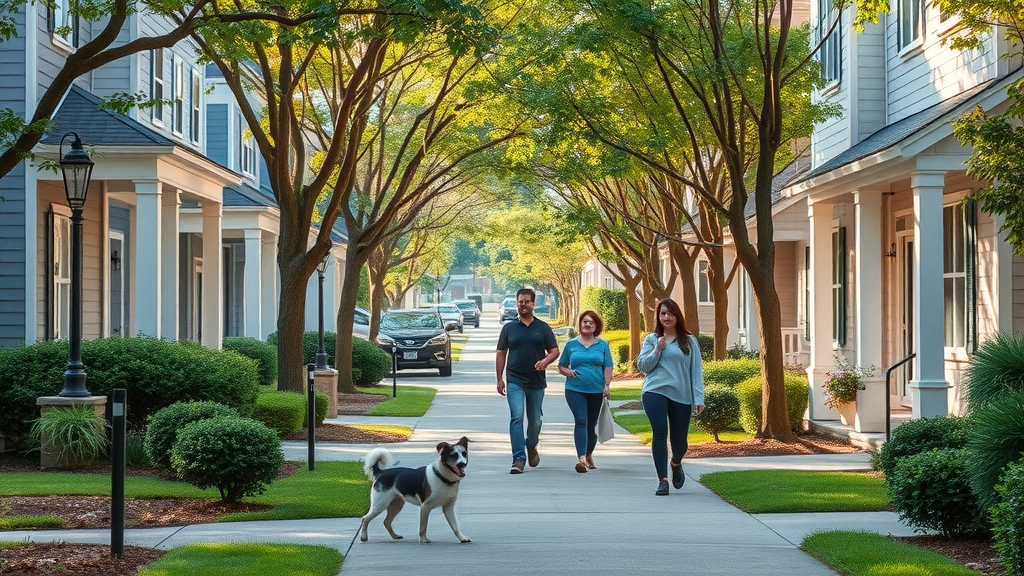
Modern Charlotte neighborhood with inviting, safe, real estate atmosphere, residents enjoying the place to live, well-lit streets and stylish homes – charlotte real estate safety

Uncovering Charlotte Real Estate Safety: Startling Crime Statistics Every Buyer Should Know

  • How charlotte real estate safety impacts your property decisions
  • The safest neighborhoods in Charlotte and what sets them apart
  • Key factors influencing crime rate, response times, and local amenities
  • Tips for first-time buyers to protect against costly mistakes
  • Insights into Charlotte’s real estate outlook and future trends
"Did you know: Charlotte’s property-related crimes decreased by 14% in the last three years, yet certain zip codes remain hot spots for risk?"

Understanding the true picture of charlotte real estate safety can make or break your property decision. Charlotte has seen tremendous changes in its crime rates over the past few years—overall, property crimes such as burglary and theft have fallen significantly, which is great news for buyers. However, the crime rate isn’t evenly distributed. Certain areas, like Midtown and parts of East Charlotte, continue to experience higher-than-average reports of violent crime, property crime, and slow police response times.

For families searching for a safe place to call home, knowing these statistics upfront is critical. The Queen City boasts neighborhoods where reported criminal incidents are well below the national average, offering peace of mind and a higher quality of life. However, without careful research, you might end up in a location that’s still a hot spot for risk. That’s why we’ll unpack the latest data and tips every real estate investor, first-time homebuyer, or relocating professional needs to buy with confidence in Charlotte, North Carolina.

Why Charlotte Real Estate Safety Matters When Selecting a Place to Live

When evaluating a place to live , charlotte real estate safety should always be a top priority. Homebuyers looking to put down roots in the Queen City must weigh both the property’s features and its surrounding safety profile. While North Carolina’s reputation continues to rise as a favorable destination for new residents, individual cities like Charlotte have unique trends their real estate markets reflect.

A low crime rate translates directly into a better quality of life and higher long-term property values. Neighborhoods with robust law enforcement presence, well-funded neighborhood associations, and active community engagement experience fewer property crimes and violent crime incidents. With lower local crime rates come added benefits such as affordable insurance, increased demand, and greater resale value for your investment.

Ultimately, buyers want not just a house—but a true place to call home . That means ensuring your loved ones, property, and peace of mind are fully protected. Getting familiar with local safety trends before making an offer will save you from unexpected surprises and potential financial headaches.

Crime Rate Trends in Charlotte: Understanding Safety Before You Buy
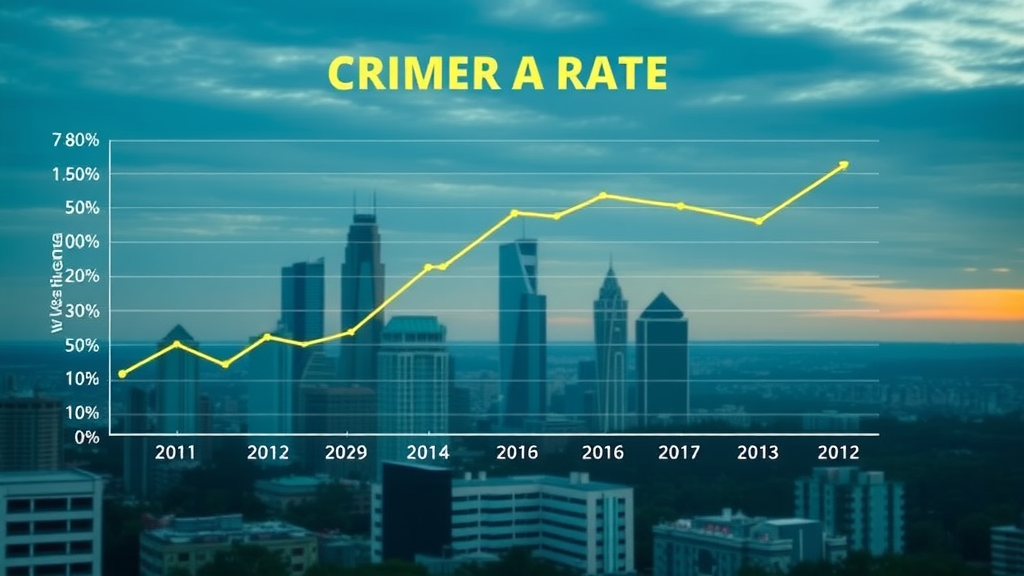
Comparative crime rate trends infographic overlayed on Charlotte cityscape, visualizing decreasing crime rate statistics – charlotte real estate safety

Charlotte’s crime rate has fluctuated over the years, reflecting the city’s growth, shifting demographics, and investment in policing. Recent city reports reveal a decrease in property crimes —a trend that helps boost confidence in Charlotte real estate safety for buyers and investors alike. However, despite the positive trends, certain types of crime, such as auto theft and occasional spikes in violent crime, continue to impact select neighborhoods, especially those with older infrastructure or limited community programs.

Homebuyers should be mindful that while statistics can tell part of the story, patterns change rapidly as neighborhoods evolve. Uptown Charlotte, for instance, saw a reduction in its violent crime rate after increased surveillance and community policing investments, but continues to see above-average incident numbers compared to neighboring areas like Myers Park or Ballantyne. Comparing crime data not only within the city but also against other North Carolina urban centers ensures you understand what to expect.

To paint a clearer picture for buyers and investors, below is a comparative table highlighting crime rate differences between Charlotte and other prominent North Carolina cities.

Table: Comparative Crime Rates in Charlotte vs. Other North Carolina Cities
City Violent Crime Rate
(per 1,000)
Property Crime Rate
(per 1,000)
National Average
Charlotte 5.4 23.1 Violent: 4.0
Property: 19.6
Raleigh 2.6 16.7 —
Greensboro 6.1 31.4 —
Durham 4.2 21.3 —

Factors That Make Charlotte a Safe Place: Insights for Homebuyers

A safe place in Charlotte isn’t just built on law enforcement; it also relies on community collaboration and local government support. Police response times, active neighborhood watch programs, state-of-the-art lighting, and well-maintained infrastructure all play major roles in deterring property crime. Buyers should keep a close eye on municipal investments—such as upgraded streetlights, public parks, and expanded patrols—which often correlate with drops in the local crime rate and rising property values.

Another indicator of real estate safety is the presence of tight-knit communities. Neighborhoods with regular events, engaged residents, and active associations tend to report fewer incidents and boast higher satisfaction among new homeowners. Law enforcement agencies and city planners often work closely with these communities to ensure that safety is not an afterthought but a built-in benefit.

  • Police response times
  • Neighborhood watch programs
  • Lighting and infrastructure
  • Community engagement

Evaluating these key safety factors provides an actionable checklist for any buyer looking to maximize both the enjoyment and value of their Charlotte home.

Exploring Safe Places and High-Value Neighborhoods: Myers Park, Uptown Charlotte, and More

Safe street in Myers Park with joggers, families, and historic homes, illustrating top safety and real estate value – myers park charlotte real estate safety

Charlotte offers an impressive array of high-value neighborhoods, each with its unique combination of real estate safety , community spirit, and local amenities . Areas like Myers Park, Ballantyne, Dilworth, SouthPark, and Uptown Charlotte attract buyers who place safety as a top priority, thanks to their low crime rates , lively community programs, and superior city services. These neighborhoods are consistently ranked as some of the best in both North Carolina and the entire Southeast for buyers seeking a place to call home .

What sets these areas apart is not just their beautiful homes or convenient location, but their commitment to proactive safety measures. From dedicated security patrols to comprehensive neighborhood watch programs and family-focused amenities, these neighborhoods ensure residents enjoy both peace of mind and access to downtown’s thriving economic scene. Below, we’ll explore the features that distinguish Myers Park and Uptown Charlotte, in particular.

  • Myers Park
  • Ballantyne
  • Dilworth
  • SouthPark
  • Uptown Charlotte

Why Myers Park is Noted for Charlotte Real Estate Safety

Myers Park consistently appears at the top of any safe place rankings in Charlotte, and for good reason. With its iconic tree-lined streets, historic architecture, and strong sense of community pride, this neighborhood offers an exceptional blend of charm and peace of mind . One of the main drivers of Myers Park’s low crime rate is the neighborhood’s active association, which collaborates closely with law enforcement to ensure fast response times and vigilant monitoring of public spaces.

Beyond safety measures, Myers Park’s well-maintained parks, top-rated schools, and family-friendly activities make it especially attractive for buyers eager to invest in both security and quality of life. Consistently strong demand keeps the median home value well above the city average, reinforcing its reputation as a sound real estate investment for both families and individuals.

Residents also credit the area’s sense of neighborly connection as a factor in keeping crime low and community morale high. Myers Park perfectly embodies what many seek in a North Carolina real estate experience: robust safety, top-tier amenities, and a welcoming environment.

Living in Uptown Charlotte: Balancing Local Amenities and Real Estate Safety

Uptown Charlotte stands out for its dynamic atmosphere, exceptional local amenities , and improving safety landscape. Home to businesses, entertainment, world-class dining, and modern residential options, Uptown attracts a diverse group of residents—including young professionals, families, and retirees—all looking for both convenience and security in one package.

While Uptown Charlotte saw periods of higher crime rates in the past, recent years have seen significant investments in urban surveillance, improved lighting, and frequent police patrols, all of which have contributed to its status as a top destination for safe living in the city. The presence of public transportation, and quick access to outdoor activities, make Uptown a preferred place to live for those seeking a balance between city life and peace of mind.

Despite higher population density, ongoing efforts by local law enforcement and neighborhood organizations ensure crime rates are kept in check. This focused approach means buyers can now select from a broad range of properties—high-rise condos, restored flats, and single-family homes—all with access to the area’s vibrant amenities and robust safety infrastructure.

Charlotte Real Estate Safety and the North Carolina Job Market: What Buyers Should Know

Charlotte business district with bustling professionals and modern skyline, highlighting strong job market and real estate safety factors – charlotte real estate safety

The job market is one of Charlotte’s defining features, drawing professionals from across North Carolina and beyond. This economic boom has elevated both the value and demand for local real estate, making safety an even more significant factor in property selection. As new employers flood into areas like Uptown Charlotte and South End, they bring not only job opportunities but also changing demographic patterns that influence long-term crime rate trends.

A growing workforce means more eyes on the street, greater investment in infrastructure, and increasing demand for safe places to live. However, it also creates challenges: new traffic patterns, varied working hours, and diverse populations sometimes lead to short-term fluctuations in local crime rates. Wise buyers evaluate not just the job market’s effect on property prices, but how it interacts with neighborhood safety, response times, and the evolving quality of local amenities.

By blending economic insight with safety considerations, you’ll position yourself to select a property that delivers both value and peace of mind —ensuring that your purchase is resilient to market changes and focused on long-term satisfaction.

How Job Market Growth Impacts Real Estate and Crime Rate

"Charlotte’s booming job market has both increased real estate values and created new safety challenges for residents.”

Charlotte’s robust job market—particularly in finance, tech, and healthcare—has led directly to rising real estate values in its most desirable neighborhoods. As companies relocate or expand within the Queen City, new residents flock to areas perceived as both safe and convenient. This demand has helped fund city-wide upgrades in public safety, law enforcement technology, and emergency response times, collectively making certain neighborhoods more attractive for buyers and investors.

However, rapid employment growth also introduces new safety concerns. Areas undergoing expansion may experience temporary spikes in traffic-related incidents, burglaries, or minor property crime as workers adjust to new routines. Homebuyers should research neighborhood-specific trends, consulting reliable crime maps and talking with current residents to accurately gauge how job market shifts may influence long-term safety in the communities they’re considering.

Ultimately, Charlotte’s strong employment outlook supports a vibrant, resilient housing market—provided buyers stay vigilant about the interplay between economic growth, crime rates, and the ever-changing landscape of North Carolina real estate .

How to Evaluate Charlotte Real Estate Safety: Site Visits, Online Tools, and Response Times

Seasoned buyers know that evaluating charlotte real estate safety means going beyond listings or online crime statistics. Visiting neighborhoods firsthand at different times of day, speaking with locals about their experiences, and verifying police and emergency response times can reveal crucial information you won’t find elsewhere. Many buyers also use technology to supplement their research—reputable online crime maps, neighborhood forums, and municipal dashboards all provide up-to-date insight into local safety.

A multi-step approach delivers the best results. Start with digital resources to identify safe neighborhoods, then validate your choices with in-person visits and real conversations. Don’t forget to check law enforcement statistics and ask about nearby amenities, such as parks, schools, and community centers—all of which contribute to both everyday peace of mind and property value resilience.

  • Use online crime maps
  • Visit neighborhoods at night
  • Talk with local residents
  • Check police response times and statistics

Remember: Buying with confidence means covering all your safety bases before making an offer.

People Also Ask: Is Charlotte a Good Place to Buy Real Estate?

Charlotte consistently ranks among the Southeast’s most appealing cities for real estate investors and first-time buyers alike. The city’s blend of job opportunities, vibrant lifestyle, and an array of safe places to live makes it an ideal destination for those seeking both value and peace of mind . Neighborhoods such as Myers Park, Ballantyne, and Uptown Charlotte attract buyers with their strong community ties and proactive policing strategies, while also supporting steady appreciation of property values.

When compared to national averages, Charlotte’s median home prices remain competitive for a major city, especially considering the amenities, outdoor activities, and safety infrastructure available in its most desirable neighborhoods. This combination of affordability, safety, and market resilience makes Charlotte not just a good investment—but a smart one for anyone looking to settle in North Carolina.

Charlotte real estate safety and market stability: What investors should consider

Charlotte real estate investor reviewing city maps and market reports, focused on property safety and market stability – charlotte real estate safety

Investors eyeing Charlotte should pay special attention to both market fundamentals and crime statistics before making a purchase. Stable and improving crime rates, especially in well-established neighborhoods like Myers Park and SouthPark, suggest steady demand and long-term property appreciation potential. As crime rates decline, insurance premiums drop and tenants experience greater satisfaction—which translates into fewer vacancies and a healthier return on investment.

Local jobs data is equally essential to market stability. High employment rates correlate with higher occupancy, rapid appreciation of the median home value, and more predictable rental income for landlords. Investors who incorporate safety trends, local amenities, and the city’s thriving job market into their analyses are more likely to secure homes in neighborhoods that weather market cycles and consistently attract new residents.

Keeping an eye on response times —the speed at which law enforcement addresses incidents—is another important layer to risk assessment. Fast and efficient emergency service has been shown to mitigate property loss, restore peace of mind, and prevent criminal escalation, further cementing the neighborhood’s reputation as a safe place in the Queen City.

People Also Ask: What Is the Real Estate Outlook for Charlotte NC?

Charlotte’s real estate outlook remains extremely positive, driven by a robust economy, continuous job market growth, and a continued emphasis on community safety. As the city expands, new residential projects are being matched with investments in infrastructure and public amenities—further enhancing the city’s appeal for buyers who prioritize safety and convenience.

Market experts predict Charlotte will maintain low crime rates in its highest-value neighborhoods while attracting new residents with its unique combination of Southern hospitality and urban vibrancy. Whether you are seeking an investment property or a new family home, Charlotte stands out as a city where real estate safety and rising property values go hand-in-hand.

Future trends for charlotte real estate safety, property values, and safe place rankings

Looking forward, buyers can expect continued improvements across the board. City investments in infrastructure, new public safety programs, and enhanced outreach efforts in at-risk neighborhoods are projected to drive further decreases in crime rates. These improvements are not just marketing points—they are critical for maintaining Charlotte’s reputation as a top-tier, safe place to live in North Carolina.

At the same time, experts warn that rapid growth must be managed wisely to prevent the creation of new safety blind spots. Homebuyers and investors should keep an eye on how local associations, city planners, and law enforcement agencies adapt to demographic and economic shifts. Proactive neighborhoods will continue to see rising median home values and increased demand, reinforcing the connection between safety and prosperity.

Charlotte’s safe place rankings are expected to remain strong, especially in core areas like Myers Park and Ballantyne. Continuous engagement and feedback from residents ensure the city adapts quickly to emerging risks, providing buyers with both market stability and enduring peace of mind .

People Also Ask: Is Charlotte Good for New Real Estate Agents?

For new agents, Charlotte’s active real estate scene and commitment to community safety offer an ideal environment to launch a successful career. With frequent home sales, a diverse array of clients, and a strong Association of Realtors presence, new professionals are positioned to build valuable experience quickly—especially in sought-after neighborhoods where safety is a top priority .

Real estate brokerages in Charlotte provide comprehensive onboarding, mentorship opportunities, and specialized training in safety best practices. New agents are also encouraged to familiarize themselves with local crime rates, police response times, and the most current safety trends, helping them better advise clients and avoid costly mistakes. The Queen City’s supportive atmosphere makes it a destination not only for buyers, but for up-and-coming professionals seeking growth and security.

Training, job market access, and charlotte real estate safety for new professionals

Many new agents start off working with buyers in neighborhoods like SouthPark or Dilworth, where community support, strong policing, and engaged residents create a safe, welcoming environment. Training programs frequently emphasize the importance of property crime data, emergency response protocols, and identifying the safest places to live in Charlotte. By focusing on these areas, agents build trust, secure more clients, and positively influence local real estate safety culture.

The ongoing influx of residents and robust job market keeps the pipeline of buyers and sellers active. This ensures steady business for agents and increases the relevance of safety expertise in client consultations. Savvy agents use tools such as online crime maps, community forums, and municipal reports to provide transparent, up-to-the-minute guidance on everything from safe neighborhoods to optimal timing for moving company selection.

People Also Ask: Why Is Charlotte, NC Real Estate So Expensive?

Charlotte’s real estate prices reflect a potent combination of high demand, strong job market, and established safety infrastructure. As more buyers converge on neighborhoods with low crime rates , efficient emergency services, and standout local amenities, the competition for homes—including single-family residences and condos—continues to drive prices upward.

While the median home in Charlotte still compares favorably to national averages for cities its size, areas perceived as safest—Myers Park, Uptown Charlotte, and Ballantyne—often command significantly higher price points. These premiums are not just for location, but for the assurance of security, family-friendly features, and access to daily necessities. Even first-time buyers or those relocating for work find it worthwhile to stretch budgets if it means living in a place where quality of life and safety are both assured.

Demand, neighborhood safety, and the role of local amenities in driving prices

High demand in Charlotte is intimately linked with the perceived safety of its neighborhoods. Areas offering low crime rates , rapid emergency response times, and excellent schools routinely draw multiple offers for available homes. Buyers are willing to pay a premium for peace of mind and the knowledge that their investment will hold value regardless of market fluctuations.

Meanwhile, robust local amenities —green spaces, shopping, dining, top-rated schools—make these neighborhoods even more attractive. As new entertainment venues, parks, and transportation improvements launch across the city, the property values in the safest and most connected areas will continue to rise, validating Charlotte’s status as a competitive and desirable real estate market within North Carolina and the broader Southeast.

For prospective buyers or investors, the lesson is clear: Neighborhood safety and amenities are not just “extras” but essential drivers of home value and buyer satisfaction in Charlotte.

Expert Tips: Avoiding Costly Mistakes When Considering Charlotte Real Estate Safety

Even in a thriving city like Charlotte, overlooking key real estate safety factors can cost buyers dearly. Relying on outdated data or online reviews alone paints an incomplete picture. Instead, combine high-tech research with street-level insights for the best protection.

  • Relying only on online data
  • Ignoring neighborhood crime rate reports
  • Overlooking response times
  • Neglecting local amenities
  • Failing to visit at different times
  • Disregarding community feedback
  • Not hiring a local expert

Steer clear of these common errors, especially when navigating neighborhoods that are new or rapidly transforming. A proactive approach can safeguard your finances, family, and future happiness in the Queen City.

Frequently Asked Questions: Charlotte Real Estate Safety Concerns

  • Are there background checks for home buyers in Charlotte?
    Home buyers themselves typically do not undergo background checks, but lenders and title companies may verify identity and financial history. Neighborhood associations or HOAs may have specific screening processes for renters.
  • What is the role of neighborhood associations in real estate safety?
    Neighborhood associations organize community patrols, facilitate communication with law enforcement, and keep residents informed of safety issues, all of which contribute significantly to local real estate safety.
  • Can crime rates impact property insurance in Charlotte?
    Yes, higher local crime rates can lead to increased property insurance premiums. Conversely, homes in low crime neighborhoods often enjoy reduced insurance costs, saving owners money over time.
  • How do local amenities contribute to charlotte real estate safety?
    Well-maintained parks, schools, and communal spaces encourage community interaction and deter illegal activity, directly boosting neighborhood safety and long-term investment value.

Case Study: Real-Life Examples of Charlotte Real Estate Safety Successes and Pitfalls

Charlotte’s dynamic market delivers lessons for homebuyers at every turn. Some families have reported finding the perfect place to call home —only to realize too late that rising crime rates or slow response times weren’t apparent until after moving in. Others share stories of success, leveraging their research and community connections to secure homes in neighborhoods boasting consistently low crime rates and robust emergency services.

"We nearly bought in a popular neighborhood—until a quick check of response times changed our minds." – Charlotte Homebuyer

The bottom line: diligent research, community engagement, and the use of modern tools can spell the difference between an investment that delivers lasting peace of mind and one fraught with costly challenges.

Key Takeaways for Ensuring Charlotte Real Estate Safety

  • Always verify crime rate and police response times
  • Compare safe places before making an offer
  • Factor in local job market data
  • Consult real estate and safety professionals

Agent and homebuyer reviewing safety checklist on tablet, home interior with visible safety devices, focus on ensuring charlotte real estate safety

Secure Your Next Move: Take Action on Charlotte Real Estate Safety Today

The Queen City’s real estate market rewards those who research, engage, and prioritize safety. Take these steps—and work with trusted local professionals—to ensure your next Charlotte home is the secure, welcoming place to live that you and your family deserve.

Sources

  • https://www.neighborhoodscout.com/nc/charlotte/crime – NeighborhoodScout
  • https://www.charlotteobserver.com/news/local/crime/article246009260.html – Charlotte Observer
  • https://www.zillow.com/charlotte-nc/home-values/ – Zillow Charlotte Home Values
  • https://www.ncrealtors.org/ – North Carolina Association of Realtors
  • https://data.charlottenc.gov/ – City of Charlotte Open Data Portal
  • https://www.cmpd.org/ – Charlotte-Mecklenburg Police Department
  • https://www.niche.com/places-to-live/search/safest-neighborhoods/m/charlotte-metro-area/ – Niche Safest Neighborhoods
Apartment Neighborhoods Blog

61 Views

0 Comments

Write A Comment

*
*
Please complete the captcha to submit your comment.
Related Posts All Posts
11.12.2026

Find Apartments for Sale/Rent Near Top Schools Fast!

Picture this: It’s a bright Monday morning, your children are slinging on their backpacks as you stroll together down a leafy path, just a few steps from your apartment to the doors of a top-ranked public school. The stress of long commutes is gone, replaced by peaceful walks through a safe, family-friendly neighborhood. If you’re searching for apartments for sale/rent near top schools, you’re not just looking for a place to live—you’re investing in your family’s future and daily happiness.What You'll Learn About Apartments for Sale/Rent Near Top SchoolsHow to search for apartments for sale/rent near top schools effectivelyWhat makes neighborhoods with the best schools stand out for familiesTips for evaluating real estate near good schools and school district housingKey features to look for in apartments near top schools and educational institutionsWhy Choose Apartments for Sale/Rent Near Top Schools? A Scenario-Based Guide“We moved specifically for the school district—living close to a top-rated school added both peace of mind and long-term value.” – Local ParentChoosing apartments for sale/rent near top schools is more than a logistical decision—it’s a lifestyle upgrade. Imagine having access to well-ranked public schools like those in the upper east side, murray hill, or carnegie hill, where the educational environment fosters growth and security for your children. Families who move to these neighborhoods not only enjoy highly rated schools but also gain proximity to parks, amenities, and vibrant communities that support both child and parent well-being. Being close to top schools significantly reduces lengthy commutes, allowing for more family time and extracurricular involvement.Many listing by the agent emphasize these neighborhoods, knowing the value parents place on convenience and future investment. From lenox hill to central harlem, buyers and renters alike are prioritizing school quality and the neighborhood’s overall vibe. This interest fuels a strong demand for real estate near good schools, impacting not only education but also long-term property values. As you weigh your housing options, understanding these factors helps you make a smarter, more satisfying choice for your unique family needs.Benefits of Family-Friendly Apartments Close to Top SchoolsShorter commute times for kids and parents: Living close to school means less time in traffic and more time together, a key factor for many families on the east side or in sutton place. You can enjoy a true work-life balance and even let older kids safely walk to their classes.Access to school programs, activities, and reputable education: Proximity lets your family access after-school programs, clubs, and parent-focused resources featured on every web site dedicated to these top school areas.Higher long-term property value for homes in top school neighborhoods: Homes and apartments for sale/rent near top schools in upper east or financial district routinely retain value and appeal, providing a smart investment avenue for buyers and renters.Enhanced neighborhood amenities, parks, and family-oriented communities: From playgrounds to libraries and community events, these neighborhoods offer amenitiesthat matter—space to grow, play, and thrive, all supported by responsive customer support systems and nearby support numbers for families.As you consider the advantages of living near top schools, it’s also helpful to stay informed about the latest trends and updates in local apartment communities. For timely news and practical tips on navigating the rental market, you can explore Apartment Neighborhoods News, which offers valuable insights for families seeking the best fit.Neighborhood Comparison: Apartments for Sale/Rent Near Top Schools Versus Other Real Estate OptionsComparing apartments for sale/rent near top schools with other real estate options means assessing not just the home page listings or prices, but also what each neighborhood truly offers families. A location in lenox hill or carnegie hill often brings ready access to highly rated educational institutions, while other areas might boast lower costs but offer fewer enrichment opportunities or longer commute times.When you search by the amenitiesthat matter, you’ll find that properties closest to reputable public schools often feature lower crime rates, richer community resources, and a more stable property market. Whether you’re eyeing murray hill’s tree-lined avenues or central harlem’s cultural heart, evaluating each neighborhood’s unique blend of location, school quality, safety, and transportation ensures that you make an informed decision, supported by plenty of results nearby your area of interest.FeatureApartments Near Top SchoolsHomes for Sale Close to SchoolsRentals Near Top-Rated SchoolsSchool District Real EstateLocationPrime, often walkable to public schoolsUsually suburban or residential, near school zonesVaries, but can be adjacent to school campusesWithin official school district boundariesAmenitiesPlaygrounds, secure entry, family facilities, parksPrivate yards, neighborhood pools, community centersShared amenities, proximity to local shopsAccess to district services, libraries, youth programsSafetyHigh, with community patrols and safe walkwaysHigh, often with neighborhood watch groupsModerate, depending on managementGenerally higher in acclaimed districtsCommuteVery short or walkable for kidsShort, often car or bus dependentShort to moderate, varies with propertyDesigned for ease of access to schoolsEducation QualityTypically top-rated public schoolsAccess to both public/private optionsGood to excellent, highly variableUsually high, district performance dependentPeople Also Ask About Apartments for Sale/Rent Near Top SchoolsWhere can I live for $800 a month in the USA?It is possible to find apartments for sale/rent near top schools within the $800/month range in select regions—often in midwestern or southern states, or in smaller cities with respected public schools and community housing near educational institutions. Start by searching regions like the east side of smaller metropolitan areas, or consult a listing by the agent for similar results nearby. Always check listings against verified school zone ratings to ensure both affordability and access to quality education.Can I afford an apartment if I make $2000 a month?Financial advisors typically recommend spending no more than 30% of your gross income on rent, making a $600 monthly apartment a practical target if you make $2,000 per month. Many apartments for families near top schools advertise options fitting this guideline, and savvy renters use site search filters and the support number provided on each web site to find affordable choices. Remember to budget for utilities, transportation, and school fees, and consult customer support for clarification on any hidden costs.Where is the cheapest place to buy an apartment?Affordable property near educational institutions can often be found in emerging cities and suburban areas. Look for real estate near good schools in neighborhoods like central harlem, murray hill, and regions outside traditional metropolitan zones. Reviewing similar results on home page listings and consulting a company email for updates help zero in on upcoming affordable options with access to highly-rated public schools.Where can I live for $500 a month in the USA?Options for lower-cost rentals—under $500/month—near top-rated schools are limited, but they may exist in rural towns, the outskirts of major cities, or university-centric communities. Expanding your search radius may uncover listings by the agent that include such opportunities. Always verify each page hasn’t moved and check support numbers to ensure listings are current and legitimate, as demand for this price range is high.FAQs: Apartments for Sale/Rent Near Top SchoolsAre apartments for sale/rent near top schools more expensive than average?Apartments close to high-rated public schools like those in upper east, lenox hill, or sutton place may carry a premium due to demand, but there are similar results in surrounding areas that offer better value. Using web sites with robust search features lets you filter by both school rating and budget for the best fit.How do I verify school ratings before choosing a neighborhood?Use independent school rating resources found on the web or request info through the company email listed by each apartment agency. Cross-check with local district web sites and the customer support number to confirm up-to-date data before making your choice.Is it better to rent or buy near high-rated schools as a family?Renting offers flexibility, while buying can lead to long-term investment benefits, especially in established neighborhoods. Consider your long-term needs and consult the home page for expert advice and results nearby your preferred school zones.What other factors should families consider besides school quality when choosing apartments near top schools?While school ratings matter, look for safe streets, neighborhood amenities, accessible parks, and reliable customer support. Search by the amenitiesthat matter most to your family for a well-rounded living experience.Key Takeaways for Finding Apartments for Sale/Rent Near Top SchoolsProximity to top schools enhances both family lifestyle and property value.School district research is essential in narrowing your search for family-friendly apartments.Neighborhood amenities and commute times play a critical role in long-term satisfaction.Next Steps: Join Apartment Neighborhoods for Renter Resources and AdviceThe search for apartments for sale/rent near top schools is about more than a move—it’s about building a solid foundation for your family’s future. Join Apartment Neighborhoods for the latest renter resources, neighborhood ideas, local events, and practical apartment-living advice tailored for families who value education and community.Ready to make your move? Let trusted apartment neighborhoods guide you to the smart, family-friendly choice you deserve!If you’re eager to deepen your understanding of apartment living and discover even more ways to enhance your family’s experience, take a moment to browse the broader resources available at Apartment Neighborhoods. There, you’ll find expert guidance on everything from neighborhood trends to advanced apartment search strategies, helping you make confident, informed decisions. Whether you’re a first-time renter or a seasoned homebuyer, these insights can empower your next steps and ensure your family thrives in a community that truly fits your needs. Explore further and unlock the full potential of your apartment search journey.

11.04.2026

Find 3 Bedroom Apartments in Safe Neighborhoods Near You

Imagine stepping into a bright, spacious apartment where your family feels not just at home, but truly secure—your daily commute is brief, schools are close, and your neighborhood buzzes with friendly faces and leafy sidewalks. For many renters, this is the dream: a place where comfort, safety, and convenience intersect. If you’re searching for 3 bedroom apartments in a safe neighborhood with a short commute, you’re not alone. The right move can transform your everyday routine, reduce stress, and boost everyone’s well-being. In this guide, we’ll show you how to find the perfect fit—and why it matters.Discover the Advantages of 3 Bedroom Apartments in Safe Neighborhoods with a Short CommuteChoosing a 3 bedroom apartment in a safe neighborhood with a short commute brings real benefits to your family life and work-life balance. Whether you’re moving to bustling real estate hubs like nyc apartments or seeking calm in suburban settings, safety and easy transit access should top your list of priorities. Not only do these factors boost peace of mind, but they also expand your options for work, school, and leisure, making it possible to focus on what really matters—your family’s happiness.Families increasingly look for spaces that offer both security and flexibility. A roomy 3 bedroom gives everyone space to live, work, and play under one roof, while a safer neighborhood supports daily routines, outdoor play, and restful evenings. Proximity to transit, schools, and urban conveniences ensures you spend more time together and less time commuting. With careful research and smart tools, you can identify neighborhoods in top cities like San Jose, Washington, Washington, DC, or Long Beach where these crucial elements converge, making your next move not just a change of address but a major life upgrade.Imagine Your Ideal Family Home: Safety, Space, and Convenience CombinedPicture your family gathering in a sunlit living room, safe and relaxed after a short morning commute, surrounded by neighbors who care and streets where kids can play. That scenario isn’t just wishful thinking—it’s possible with the right approach. The best rental home options in cities like Fort Worth or San Antonio give you more than just square footage; they offer peace of mind, friendly amenities, and a community vibe that welcomes all ages. By prioritizing neighborhoods known for low crime and efficient commutes, you also gain access to stronger school districts and more robust local services, further enhancing your lifestyle now and for years to come.As you evaluate your options, it’s helpful to stay informed about the latest trends and updates in apartment living. For ongoing insights and practical tips tailored to renters, you might find the Apartment Neighborhoods News resource especially useful as you navigate your search.What You’ll Learn About 3 Bedroom Apartments in Safe Neighborhoods and Short Commute OptionsHow to identify safe neighborhoods for family-friendly apartmentsStrategies to find 3 bedroom apartments with a short commuteBenefits of urban apartment safety and commute time optimizationWhat matters most for affordable 3 bedroom homes near transitWhy Choose a 3 Bedroom Apartment in a Safe Neighborhood with a Short Commute?Safety and Peace of Mind in Residential AreasSecurity is non-negotiable when home-hunting, especially if you’re moving as a family or sharing space with roommates who value tranquility. Many 3 bedroom apartments in safe neighborhoods boast enhanced features such as secure building access, well-lit walkways, and strong neighborhood engagement. Low crime rates and active local patrols create the sense of peace people crave in bustling cities and suburban sanctuaries alike. In places like Las Vegas or North Carolina, residents value knowing their children can walk to nearby parks and schools with confidence. This factor also supports mental health, better sleep, and a more vibrant day-to-day life for everyone in your home.The appeal of living in a community-minded area extends beyond statistics. It’s about experience—knowing your neighbors, participating in local events, and enjoying communal spaces. Look for neighborhoods where safety is evident: functional streetlights, visible police or neighborhood watch presence, and friendly interaction among residents. These observable qualities matter as much as data and are key in making your rental home a trustworthy retreat, whether you’re in NYC apartments or the heart of South Dakota.Short Commute Housing: Save Time, Reduce StressOne of the hottest trends in choosing 3-bedroom apartments is prioritizing a safe neighborhood and a short commute. Living close to work, top schools, or public transit can save hours each week—time you can reinvest in family, hobbies, and self-care. Whether you’re eyeing San Francisco or Rhode Island, proximity to major hubs reduces transportation headaches, lowers stress, and lets you more fully enjoy community amenities.Shorter commutes do more than cut down on exhaustion; they can also lower expenses, decrease your environmental footprint, and improve overall happiness. By researching neighborhoods where jobs, schools, and shopping all cluster within a short distance, you gain a significant edge—especially in popular real estate markets like Oklahoma City or Virginia mortgage areas. Consider using transit apps or consulting local commuters to test routes before committing, ensuring every minute gained is a step toward a better life balance.How to Find 3 Bedroom Apartments in Safe Neighborhoods with an Optimized CommuteLeveraging Real Estate Tools to Compare Family-Friendly ApartmentsModern apartment hunting hinges on real estate technology and online comparison tools. Whether searching for apartments for rent in Long Beach or scoping city apartments for rent in Washington, DC, advanced platforms let you filter by neighborhood safety scores, commute times, and vital amenities. Interactive maps, detailed photos, and verified resident reviews help you spot hidden gems and avoid costly mistakes. Be sure to cross-check information provided by landlords with third-party review sites and public crime statistics for a more rounded view.Families and professionals alike benefit from shortlisting properties with features beyond just bedroom count. Look for houses for rent near transit, local dining, and parks—these extra conveniences can make daily life smoother. Pay close attention to features like gated access, responsive property managers, and active community programs, all highly valued in top cities like San Jose, South Carolina, and beach real estate markets. Digital comparison charts, especially those tracking commute time and neighborhood safety, give you the confidence to move forward knowing you’re making an informed, family-friendly decision.Commute Time Optimization: Analyzing Transit Access and LocationReducing your commute starts with understanding transit networks and safe passageways. Cities like NYC and Fort Worth offer extensive public transport, but not all stops are equally convenient or close to safe residential clusters. Use official transit maps and third-party route planners to evaluate real distances—not just by miles, but by time during peak versus off-peak hours. Prospective renters should schedule test runs at potential apartments, noting rush hour slowdowns and any gaps in services. This small step often distinguishes a great move from one plagued by daily frustrations.Safe neighborhoods near major bus or rail stations let residents skip gridlock and maximize every hour. In top cities or growing markets like West Virginia and North Dakota, flexible commute plans also contribute to work-life balance, helping modern families succeed. When comparing listings, prioritize locations with multiple route options—not just one. Proximity to express lines, well-lit crossings, and local rideshare pickup zones all add value for families who want to feel empowered and secure every day.Comparison of Top Neighborhoods for Safety, Commute, and Apartment FeaturesNeighborhoodSafety ScoreAverage Commute (min)Transit AccessFamily AmenitiesWillow Glen (San Jose)High20Light Rail, BusParks, Top SchoolsBattery Park (NYC)High15Subway AccessWaterfront, PlaygroundsNorth Beach (San Francisco)Medium-High25Cable Car, Bus RoutesDiverse Dining, Green SpaceRidglea Hills (Fort Worth)High18Bus Lines, Bike TrailsParks, Community CentersSummerlin (Las Vegas)High22Highway, BusPools, Security PatrolWhat Makes a Neighborhood Safe for 3 Bedroom Apartments?Residential Area Safety: Key Factors and Hidden GemsWhen searching for safe neighborhoods with 3 bedroom apartments, pay close attention to tangible features, not just crime rates. Areas with strong lighting, regular police patrols, and visible community engagement tend to feel safer and actually deter unwanted activity. Hidden gems often include smaller neighborhoods with solid word-of-mouth reputations, family-friendly parks, and quality local businesses that foster a true sense of belonging. Check for low vacancy rates and engaged property management, two reliable signals that residents feel secure and content.It’s also worth evaluating how well-maintained common spaces are—clean, landscaped areas signal pride and responsibility among tenants and owners alike. From busy beach real estate markets to emerging South Carolina suburbs, safe living also means being able to walk, bike, and use local transit without concern. Ask neighbors and local community groups about their experiences—and trust your instincts as you tour, especially at different times of day. Safety is a combination of evidence and feeling, both of which are vital before you sign a lease for a rental home.Urban Apartment Safety vs. Suburban Security: Pros and ConsUrban apartment complexes, especially in thriving city apartment environments like NYC and Washington, DC, tend to offer high-tech security, on-site staff, and access control for added peace of mind. The tradeoff? While transit and amenities are at your doorstep, noise and density may be higher. Conversely, suburbia or smaller metros such as parts of West Virginia, North Dakota, or Fort Worth offer greater quiet, private outdoor space, and tightly knit communities. These areas may lack quick access to downtown but excel in close-knit security and space to grow.Each option appeals differently depending on your lifestyle. Urban apartments are best for families who value walkability and city events; suburbs fit those seeking tranquility and more space for the same price. Either way, prioritize buildings with up-to-date locks, visible management, and neighborhood engagement programs. As one real estate professional notes:“For families, a safe neighborhood is top priority. Look beyond statistics—assess lighting, walkability, and local community engagement.”Checklist: 15 Questions to Ask Before Signing a Lease in a Family-Friendly NeighborhoodIs the neighborhood known for low crime rates?Are there public transit options nearby for a short commute?What schools serve the area?Is the apartment building secure and well-maintained?What amenities support family living?How is traffic during rush hour?Are parks and services accessible?What’s the policy on pets?How responsive is property management?Is renter’s insurance required?Are local businesses and grocery stores convenient?Any upcoming developments that could impact safety or commute?What have former residents said?How are noise levels, day and night?Are there neighborhood watch or civic groups?Spotlight: 2027 Renter Priorities—Safety, Commute Time & Bedroom CountTrend Analysis: What Today’s Families Really Want in 3 Bedroom ApartmentsRental market trends show clear shifts in family preferences. Modern renters want the best of all worlds: space, safety, short commutes, and community. Especially among Gen Z and millennial renters, there’s a growing emphasis on finding 3 bedroom options that match evolving needs—extra rooms serve as offices, classrooms, or space for guests. Families demand high standards in school districts, green spaces, and 24/7 neighborhood safety, not just a lower rent or pretty photos. In major regions like San Antonio, Las Vegas, or San Jose, we see more three-bedroom units designed with practical amenities—playgrounds, community lounges, and even smart home features.As 2027 approaches, the intersection of technology and traditional community values shapes the ideal renter experience. Fast networks for remote work, access to fitness spaces, and well-connected transit now rival bedroom size in importance. To stand out, many property managers in top cities invest in improved lighting, safe pathways, and robust neighborhood groups. Whether it’s increased demand for apartments for rent in city apartments environments or the popularity of amenity-rich beach real estate options, priorities keep shifting towards multi-faceted living with a strong focus on safety and time management.Move-In Checklist for 3 Bedroom Apartments in Safe AreasInspect apartment safety featuresTest commute routes in peak hoursMeet neighbors and familiarize yourself with the communityRegister for local alerts and servicesReview lease details and included amenitiesPeople Also Ask About 3 Bedroom Apartments in Safe Neighborhoods with Short CommuteHow many can live in a 3 bedroom apartment?A 3-bedroom apartment typically accommodates up to six people comfortably, following standard occupancy guidelines. This often means two people per bedroom, making it a flexible option for families, roommates, or multi-generational households. However, local regulations or building policies—sometimes seen in nyc apartments or san francisco—may vary, so it’s wise to confirm maximum occupant levels before signing a lease.Is it true that Gen Z prefers to rent?Yes, recent trends show that Gen Z renters are more likely to value flexibility and urban convenience over homeownership, especially in vibrant real estate hubs like san jose or Washington, D.C. This generation prioritizes short commutes, safe urban living, community amenities, and the ability to move when new opportunities arise—making rental homes, especially multi-bedroom and city apartments, an increasingly popular choice.What is the 30% rule for apartments?The 30% rule is a budgeting guideline suggesting that renters should spend no more than 30% of their gross monthly income on housing. This includes rent and utilities, helping ensure you have enough left for essentials and savings. In expensive real estate markets like NYC apartments for rent or Long Beach real estate areas, this rule can be challenging but serves as a helpful benchmark for responsible budgeting.Is 700 sq ft a small apartment?At 700 square feet, an apartment is considered small to moderately sized, generally suitable for singles, a couple, or a small family. For comparison, a 3-bedroom apartment typically ranges from 1,000 to over 1,400 sq ft. Compact, thoughtful layouts in city apartments for rent or beach real estate locations can make even smaller spaces feel comfortable and functional with the right use of storage and communal amenities.Expert Answers to Common Questions on Apartment Size and SafetyChoosing a 3-bedroom apartment in a safe neighborhood with a short commute means considering not just space, but secure access, sound property management, and local trends. Experts recommend balancing your space needs with safety features—prioritize secure entrances, community programs, and proximity to work or school transit for maximum convenience and peace of mind. When in doubt, visit multiple times and talk with current residents to get honest feedback about the area’s real feel and everyday livability.Frequently Asked Questions: 3 Bedroom Apartments, Safety & CommuteCan I find affordable 3 bedroom apartments in safe city neighborhoods?How do I verify the neighborhood’s safety before moving in?What are typical amenities for families in apartment complexes?Do apartment locations near transit stations impact rent?How does school district affect apartment choice for families?Key Takeaways on 3 Bedroom Apartments in Safe Neighborhoods with Short CommuteBalance safety, commute, and quality of life in your next apartment searchUse location, transit, and neighborhood tools to maximize conveniencePrioritize community and family-friendly amenities for the ideal fitGet Connected: Sign Up for Local Renter Resources and Family-Friendly Living TipsReady to make your next move smarter and safer? Join Apartment Neighborhoods for exclusive renter resources, family-friendly living ideas, local event invitations, and practical apartment-living advice. Align your goals with true comfort, security, and convenience—subscribe now and get the latest tips on finding the perfect 3 bedroom apartment in a safe neighborhood with a short commute!If you’re eager to deepen your understanding of apartment living and stay ahead of the curve, exploring the broader landscape of rental trends and neighborhood insights can be invaluable. The Apartment Neighborhoods News platform offers a wealth of expert perspectives, market updates, and community stories to help you make informed decisions. Whether you’re a first-time renter or planning your next big move, tapping into these resources can empower you to find not just a place to live, but a place to thrive. Take the next step and discover how the right knowledge can transform your apartment search into a truly rewarding experience.

11.03.2026

Balancing Bedrooms Schools and Commute When Renting: Top Tips

Imagine stepping into your new rental home, where every bedroom is roomy, the local school is just a stroll away, and your morning commute is finally manageable. But striking that perfect balance between bedroom size, school quality, and drive time can feel like an endless search—especially in the bustling central New Jersey rental market. This guide takes you step-by-step through what matters most, so your next move meets your family’s needs and makes each day feel just right.Navigating Bedrooms, Schools, and Commute When Renting: Why This Balance MattersBalancing bedrooms, schools and commute when renting often sounds like threading a needle—especially for families in sought-after rental markets like central New Jersey or Montgomery Township. You want a home with enough bedrooms so it never starts to feel cluttered, access to reputable schools to support your children’s education, and a location close enough to work and daily essentials to keep life running smoothly. The truth is, these three factors—bedroom size, school proximity, and commute time—are the foundation of family satisfaction for renters.In areas where the rental market is especially tight, like central New Jersey, balancing these priorities is even more critical. Luxury apartment communities may offer the space you crave, but might push you farther from top schools, while convenient neighborhoods close to excellent schools can come with smaller apartments and longer commutes. Every choice impacts how you live day-to-day, from simple routines like breakfast in a sunlit kitchen to longer-term plans, such as preparing for family growth. Ultimately, understanding these trade-offs helps you find a home where everyone thrives—without having to compromise on comfort, education, or time spent together.How to prioritize bedroom size, location, and commute time.Key questions to ask when considering schools and rental properties.Tips for balancing bedrooms schools and commute when renting to suit your family’s lifestyle.Key Factors in Balancing Bedrooms Schools and Commute When RentingBedroom Size and Family Needs: Finding the Right Fit in Rental PropertiesOne of the top considerations when navigating the rental market is bedroom size. As families grow or schedules shift, what once felt spacious can start to feel cluttered, especially when every square foot counts. If you have young children or are planning to welcome new family members, a flexible layout with bedrooms that can serve multiple purposes—such as home offices or study nooks—becomes invaluable. For those living in desirable places like luxury apartment communities or bustling areas of central New Jersey, optimizing bedroom space isn’t just about comfort; it’s about future-proofing your rental experience.The number and size of bedrooms you select should reflect your current needs, projected growth, and lifestyle. Do you need a separate room for every child, guest, or hobby? Would a larger master suite make for smoother mornings? As the rental landscape continues to shift, especially in areas like Montgomery Township, families are redefining what the ideal rental home looks like. Balancing bedrooms with space for children’s study, relaxation, and privacy fosters a peaceful home environment, allowing everyone in the family—dog owners included—to settle in with ease.When weighing these options, it can be helpful to explore additional resources that break down the nuances of apartment living and neighborhood selection. For more practical advice on choosing the right rental community for your family, check out the latest insights on Apartment Neighborhoods News, which covers trends and tips for renters navigating today’s market.Assessing family growth and space requirementsBalancing bedrooms and schools for children’s study and comfortChoosing Rental Properties Near Schools: Location and School District ImpactThe neighborhood you choose can shape everything from morning routines to weekend plans. Proximity to good schools is one of the strongest deciding factors, especially for families with school-age children. Popular districts in central New Jersey, such as those in Montgomery Township, are highly sought after for their educational resources, dedicated teachers, and lively after-school programs. Reviewing school ratings and available enrichment opportunities is the first step to ensuring your children thrive—both academically and socially.It’s crucial to also understand district boundaries and enrollment policies, since these can affect whether your children are eligible to attend your preferred schools. Renters must look at rental listings carefully and, when possible, even seek references or talk to local families for on-the-ground insights. The right location will help children settle quickly, encourage new friendships, and even add value to your rental experience over time. Choosing a home close to quality schools, even if that means a slightly smaller bedroom or a compromise on luxury apartment amenities, is often well worth it.Review school ratings and educational resources nearbyUnderstand school district boundaries and enrollment policiesCommute Considerations When Renting: Weighing Distance and AffordabilityA manageable commute makes every part of family life easier, from school drop-offs to after-work dinners. Renters in expensive rental markets—like central New Jersey and Montgomery Township—often find themselves weighing the distance to workplaces, schools, and amenities against rental affordability. Living closer to work and schools can add hours back to your week and reduce stress, but those sought-after locations can drive up rental prices or reduce available space. For many families, the daily commute eventually guides where they search for a rental property, often leading them to vibrant but less-central neighborhoods that offer compromises between value and convenience.It’s essential to consider the unique needs of every family member. Children may need proximity to after-school programs, dog owners could benefit from nearby parks, and everyone enjoys a neighborhood that’s alive in the summer and safe to explore. Listing platforms can help you compare commute estimates, but nothing replaces visiting the area at different times to see traffic flow and community dynamics. Thoughtful planning ensures that you don’t just find a place to live—you find a lifestyle that fits your needs and routines.Evaluating daily commute time for each family memberImpact of rental property location and commute time on quality of lifeNeighborhood Comparison: Prioritizing Bedrooms vs Commute vs SchoolsKey Comparisons of Bedroom Count, School Accessibility, and Commute Time in Top Family-Friendly NeighborhoodsNeighborhoodAvg Bedroom SizeSchool AccessibilityCommute Time to Business CenterRental AffordabilityMontgomery TownshipSpacious (3-4 bedrooms common)Excellent (top-rated schools)Moderate (30-40 min peak)Mid-HighCentral New Jersey SuburbsLarge (2-3 bedrooms standard)Very Good (multiple school options)Short (20-30 min average)MidDowntown PrincetonCompact (1-2 bedrooms mostly)Superb (walk to elite schools)Very Short (10-20 min walk/drive)HighSomerset County OutskirtsFlexible (2-4 bedrooms available)Good (solid public schools)Moderate-Long (30-45 min peak)Low-MidWatch: A short explainer video highlights animated journeys through central New Jersey’s neighborhoods, illustrating how bedroom size, school proximity, and commute vary for different families.“Balancing bedrooms, schools, and commute is often the cornerstone of a happy rental experience for families,” says an experienced real estate agent.Practical Tips for Renting with School-Age ChildrenMake a list of must-haves and nice-to-haves. Clearly define what your family absolutely needs (like three bedrooms or proximity to schools) versus bonus features (such as a luxury apartment gym or dog park). This keeps your rental search focused and avoids distractions from unnecessary amenities.Research school bus routes and after-school program availability. Even the finest flannel-lined plans can unravel if transportation and care options don’t align with your schedule. Check with local school districts for bus stops and confirm whether after-school activities are offered nearby or within walking distance.Visit rental neighborhoods at different times of day to assess commute and environment. Parks and playgrounds may appear empty at noon but come alive in the summer evenings. Observing at multiple times helps you spot patterns, meet local families, and ensure the area is lively and safe for all ages.Explore Montgomery Township or luxury apartment options for specific family needs. These appealing addresses for dog owners, or families looking for excellent schools, often meet demand faster than other areas. Early inquiry on listing platforms is key to a strong first impression and securing the right rental before areas get crowded or summer is setting in Somerset County.People Also AskHow do I balance my kids' school needs with a reasonable rental commute?To balance your kids’ school needs with a reasonable rental commute, prioritize properties in reputable school districts that offer accessible transit options—whether buses, cycling paths, or walking routes. Evaluate the total door-to-door travel time for all family members by visiting neighborhoods during school and work commute hours. This real-world approach helps families avoid unexpected delays or traffic bottlenecks once school starts to feel in session.Is it better to choose more bedrooms or a better school district when renting?Both factors influence family satisfaction, but your choice depends on current family needs and future plans. While larger bedrooms offer immediate comfort, being in a strong school district—especially in places like central New Jersey—adds long-term value. Many parents find that top school zones are among the most desirable places to live, often leading to higher property values and more stable communities, even if it means fewer bedrooms or a less luxurious apartment.FAQs: Balancing Bedrooms, Schools, and Commute When RentingWhat should I prioritize: school district, bedroom size, or commute time?Prioritize these factors based on your family’s current ages, daily schedules, and future expectations. For some, a short commute outweighs bedroom space; for others, access to highly-rated schools takes precedence. Use a checklist to weigh your top priorities and adapt as your needs evolve.How do family-friendly neighborhoods affect rental prices?Family-friendly neighborhoods often support a higher number of rental inquiries and meet demand quickly, especially during peak seasons in central New Jersey and Montgomery Township. Features that attract families—like parks, playgrounds, and school access—typically result in higher rents, but also a greater sense of community and security.Are larger bedrooms always better for families with children?Not always. While spacious bedrooms offer more room for children’s belongings and activities, smart design and functional storage can make smaller spaces feel larger. Sometimes, proximity to top schools or reduced commute times may justify choosing a property with fewer or more modestly sized bedrooms.Key Takeaways for Balancing Bedrooms Schools and Commute When RentingEvaluate all three factors—bedroom size, schools, and commute—for your unique family situation.Leverage neighborhood research tools and talk to local families.Adapt your search to fit your children’s ages, schedules, and activity needs.Next Steps: Find the Perfect Balance for Your Family RentalJoin Apartment Neighborhoods for renter resources, neighborhood ideas, local events and practical apartment-living advice.If you’re ready to take your rental search to the next level, consider exploring the broader landscape of apartment living and neighborhood trends. The Apartment Neighborhoods News platform offers a wealth of information on emerging communities, lifestyle amenities, and expert strategies for finding the right fit—no matter your family’s priorities. Dive deeper into local events, market updates, and advanced tips to help you make informed decisions as you navigate the rental journey. By staying connected to the latest insights, you’ll be empowered to secure a home that truly supports your family’s growth and happiness. Start exploring today and discover how the right neighborhood can transform your everyday living experience.

Apartment Neighborhoods News

In-depth coverage of apartment complexes offering events, meetups, and programs that encourage neighborly interaction.

Apartment Neighborhoods News is a subsidiary of RP Design Web Services.

COMPANY

  • Privacy Policy
  • Terms of Use
  • Advertise
  • Contact Us
  • Menu 5
  • Menu 6

AVAILABLE FROM 8AM - 5PM

City, State

Connecticut, NC

ABOUT US

This media channel educates and inspires renters to foster meaningful relationships within apartment communities. Through tenant-led event highlights, community-building tips, and property profiles, we empower readers to enhance their apartment-living experience while providing a trusted resource for discovering socially active apartment complexes.

© 2026 RP Design Web Services All Rights Reserved. P.O. Box 1189, Cheshire, CT 06410 . Contact Us . Terms of Service . Privacy Policy

eyJjb21wYW55IjoiUlAgRGVzaWduIFdlYiBTZXJ2aWNlcyIsImFkZHJlc3MiOiJQLk8uIEJveCAxMTg5IiwiY2l0eSI6IkNoZXNoaXJlIiwic3RhdGUiOiJDVCIsInppcCI6IjA2NDEwIiwiZW1haWwiOiJyb2JlcnRAcnBkZXNpZ24uY29tIiwidG9zIjoiUEhBK1BITjBjbTl1Wno0OFpXMCtWMmhsYmlCNWIzVWdjMmxuYmkxcGJpQjNhWFJvSUhWekxDQjViM1VnWVhKbElHZHBkbWx1WnladVluTndPeUI1YjNWeUlIQmxjbTFwYzNOcGIyNGdZVzVrSUdOdmJuTmxiblFnZEc4Z2MyVnVaQ0I1YjNVZ1pXMWhhV3dnWVc1a0wyOXlJRk5OVXlCMFpYaDBJRzFsYzNOaFoyVnpMaUJDZVNCamFHVmphMmx1WnlCMGFHVWdWR1Z5YlhNZ1lXNWtJRU52Ym1ScGRHbHZibk1nWW05NElHRnVaQ0JpZVNCemFXZHVhVzVuSUdsdUlIbHZkU0JoZFhSdmJXRjBhV05oYkd4NUlHTnZibVpwY20wZ2RHaGhkQ0I1YjNVZ1lXTmpaWEIwSUdGc2JDQjBaWEp0Y3lCcGJpQjBhR2x6SUdGbmNtVmxiV1Z1ZEM0OEwyVnRQand2YzNSeWIyNW5Qand2Y0Q0S0NqeHdQanhoSUdoeVpXWTlJbWgwZEhBNkx5OTNkM2N1WjI5dloyeGxMbU52YlNJK2FIUjBjRG92TDNkM2R5NW5iMjluYkdVdVkyOXRQQzloUGp3dmNENEtDanh3UGladVluTndPend2Y0Q0S0NqeHdQanh6ZEhKdmJtYytVMFZTVmtsRFJUd3ZjM1J5YjI1blBqd3ZjRDRLQ2p4d1BsZGxJSEJ5YjNacFpHVWdZU0J6WlhKMmFXTmxJSFJvWVhRZ1kzVnljbVZ1ZEd4NUlHRnNiRzkzY3lCNWIzVWdkRzhnY21WalpXbDJaU0J5WlhGMVpYTjBjeUJtYjNJZ1ptVmxaR0poWTJzc0lHTnZiWEJoYm5rZ2FXNW1iM0p0WVhScGIyNHNJSEJ5YjIxdmRHbHZibUZzSUdsdVptOXliV0YwYVc5dUxDQmpiMjF3WVc1NUlHRnNaWEowY3l3Z1kyOTFjRzl1Y3l3Z1pHbHpZMjkxYm5SeklHRnVaQ0J2ZEdobGNpQnViM1JwWm1sallYUnBiMjV6SUhSdklIbHZkWElnWlcxaGFXd2dZV1JrY21WemN5QmhibVF2YjNJZ1kyVnNiSFZzWVhJZ2NHaHZibVVnYjNJZ1pHVjJhV05sTGlCWmIzVWdkVzVrWlhKemRHRnVaQ0JoYm1RZ1lXZHlaV1VnZEdoaGRDQjBhR1VnVTJWeWRtbGpaU0JwY3lCd2NtOTJhV1JsWkNBbWNYVnZkRHRCVXkxSlV5WnhkVzkwT3lCaGJtUWdkR2hoZENCM1pTQmhjM04xYldVZ2JtOGdjbVZ6Y0c5dWMybGlhV3hwZEhrZ1ptOXlJSFJvWlNCMGFXMWxiR2x1WlhOekxDQmtaV3hsZEdsdmJpd2diV2x6TFdSbGJHbDJaWEo1SUc5eUlHWmhhV3gxY21VZ2RHOGdjM1J2Y21VZ1lXNTVJSFZ6WlhJZ1kyOXRiWFZ1YVdOaGRHbHZibk1nYjNJZ2NHVnljMjl1WVd4cGVtRjBhVzl1SUhObGRIUnBibWR6TGp3dmNENEtDanh3UGxsdmRTQmhjbVVnY21WemNHOXVjMmxpYkdVZ1ptOXlJRzlpZEdGcGJtbHVaeUJoWTJObGMzTWdkRzhnZEdobElGTmxjblpwWTJVZ1lXNWtJSFJvWVhRZ1lXTmpaWE56SUcxaGVTQnBiblp2YkhabElIUm9hWEprSUhCaGNuUjVJR1psWlhNZ0tITjFZMmdnWVhNZ1UwMVRJSFJsZUhRZ2JXVnpjMkZuWlhNc0lFbHVkR1Z5Ym1WMElITmxjblpwWTJVZ2NISnZkbWxrWlhJZ2IzSWdZMlZzYkhWc1lYSWdZV2x5ZEdsdFpTQmphR0Z5WjJWektTNGdXVzkxSUdGeVpTQnlaWE53YjI1emFXSnNaU0JtYjNJZ2RHaHZjMlVnWm1WbGN5d2dhVzVqYkhWa2FXNW5JSFJvYjNObElHWmxaWE1nWVhOemIyTnBZWFJsWkNCM2FYUm9JSFJvWlNCa2FYTndiR0Y1SUc5eUlHUmxiR2wyWlhKNUlHOW1JR1ZoWTJnZ1UwMVRJSFJsZUhRZ2JXVnpjMkZuWlNCelpXNTBJSFJ2SUhsdmRTQmllU0IxY3k0Z1NXNGdZV1JrYVhScGIyNHNJSGx2ZFNCdGRYTjBJSEJ5YjNacFpHVWdZVzVrSUdGeVpTQnlaWE53YjI1emFXSnNaU0JtYjNJZ1lXeHNJR1Z4ZFdsd2JXVnVkQ0J1WldObGMzTmhjbmtnZEc4Z1lXTmpaWE56SUhSb1pTQlRaWEoyYVdObElHRnVaQ0J5WldObGFYWmxJSFJvWlNCVFRWTWdkR1Y0ZENCdFpYTnpZV2RsY3k0Z1YyVWdaRzhnYm05MElHTm9ZWEpuWlNCaGJua2dabVZsY3lCbWIzSWdaR1ZzYVhabGNua2diMllnWlcxaGFXd2diM0lnVTAxVExpQlVhR2x6SUdseklHRWdabkpsWlNCelpYSjJhV05sSUhCeWIzWnBaR1ZrSUdKNUlIVnpMaUJJYjNkbGRtVnlMQ0J3YkdWaGMyVWdZMmhsWTJzZ2QybDBhQ0I1YjNWeUlHbHVkR1Z5Ym1WMElITmxjblpwWTJVZ2NISnZkbWxrWlhJZ1lXNWtJR05sYkd4MWJHRnlJR05oY25KcFpYSWdabTl5SUdGdWVTQmphR0Z5WjJWeklIUm9ZWFFnYldGNUlHbHVZM1Z5SUdGeklHRWdjbVZ6ZFd4MElHWnliMjBnY21WalpXbDJhVzVuSUdWdFlXbHNJR0Z1WkNCVFRWTWdkR1Y0ZENCdFpYTnpZV2RsY3lCMGFHRjBJSGRsSUdSbGJHbDJaWElnZFhCdmJpQjViM1Z5SUc5d2RDMXBiaUJoYm1RZ2NtVm5hWE4wY21GMGFXOXVJSGRwZEdnZ2IzVnlJR1Z0WVdsc0lHRnVaQ0JUVFZNZ2MyVnlkbWxqWlhNdUlGbHZkU0JqWVc0Z1kyRnVZMlZzSUdGMElHRnVlU0IwYVcxbExpQktkWE4wSUhSbGVIUWdKbkYxYjNRN1UxUlBVQ1p4ZFc5ME95QjBieUE4YUdsbmFHeHBaMmgwSUdOc1lYTnpQU0pqYjIxd1lXNTVVR2h2Ym1WVmNHUmhkR1VpUGlzeE1qQXpNamN4TnprNU1Ud3ZhR2xuYUd4cFoyaDBQaTRnUVdaMFpYSWdlVzkxSUhObGJtUWdkR2hsSUZOTlV5QnRaWE56WVdkbElDWnhkVzkwTzFOVVQxQW1jWFZ2ZERzZ2RHOGdkWE1zSUhkbElIZHBiR3dnYzJWdVpDQjViM1VnWVc0Z1UwMVRJRzFsYzNOaFoyVWdkRzhnWTI5dVptbHliU0IwYUdGMElIbHZkU0JvWVhabElHSmxaVzRnZFc1emRXSnpZM0pwWW1Wa0xpQkJablJsY2lCMGFHbHpMQ0I1YjNVZ2QybHNiQ0J1YnlCc2IyNW5aWElnY21WalpXbDJaU0JUVFZNZ2JXVnpjMkZuWlhNZ1puSnZiU0IxY3k0OEwzQStDZ284Y0Q0OGMzUnliMjVuUGxsUFZWSWdVa1ZIU1ZOVVVrRlVTVTlPSUU5Q1RFbEhRVlJKVDA1VFBDOXpkSEp2Ym1jK1BDOXdQZ29LUEhBK1NXNGdZMjl1YzJsa1pYSmhkR2x2YmlCdlppQjViM1Z5SUhWelpTQnZaaUIwYUdVZ1UyVnlkbWxqWlN3Z2VXOTFJR0ZuY21WbElIUnZPand2Y0Q0S0NqeHZiRDRLQ1R4c2FUNXdjbTkyYVdSbElIUnlkV1VzSUdGalkzVnlZWFJsTENCamRYSnlaVzUwSUdGdVpDQmpiMjF3YkdWMFpTQnBibVp2Y20xaGRHbHZiaUJoWW05MWRDQjViM1Z5YzJWc1ppQmhjeUJ3Y205dGNIUmxaQ0JpZVNCMGFHVWdVMlZ5ZG1salpTWWpNems3Y3lCeVpXZHBjM1J5WVhScGIyNGdabTl5YlNBb2MzVmphQ0JwYm1admNtMWhkR2x2YmlCaVpXbHVaeUIwYUdVZ0puRjFiM1E3VW1WbmFYTjBjbUYwYVc5dUlFUmhkR0VtY1hWdmREc3BJR0Z1WkR3dmJHaytDZ2s4YkdrK2JXRnBiblJoYVc0Z1lXNWtJSEJ5YjIxd2RHeDVJSFZ3WkdGMFpTQjBhR1VnVW1WbmFYTjBjbUYwYVc5dUlFUmhkR0VnZEc4Z2EyVmxjQ0JwZENCMGNuVmxMQ0JoWTJOMWNtRjBaU3dnWTNWeWNtVnVkQ0JoYm1RZ1kyOXRjR3hsZEdVdUlFbG1JSGx2ZFNCd2NtOTJhV1JsSUdGdWVTQnBibVp2Y20xaGRHbHZiaUIwYUdGMElHbHpJSFZ1ZEhKMVpTd2dhVzVoWTJOMWNtRjBaU3dnYm05MElHTjFjbkpsYm5RZ2IzSWdhVzVqYjIxd2JHVjBaU3dnYjNJZ2QyVWdhR0YyWlNCeVpXRnpiMjVoWW14bElHZHliM1Z1WkhNZ2RHOGdjM1Z6Y0dWamRDQjBhR0YwSUhOMVkyZ2dhVzVtYjNKdFlYUnBiMjRnYVhNZ2RXNTBjblZsTENCcGJtRmpZM1Z5WVhSbExDQnViM1FnWTNWeWNtVnVkQ0J2Y2lCcGJtTnZiWEJzWlhSbExDQjNaU0JvWVhabElIUm9aU0J5YVdkb2RDQjBieUJ6ZFhOd1pXNWtJRzl5SUR4emRISnZibWMrUEhOd1lXNGdjM1I1YkdVOUltTnZiRzl5T2lOR1JqQXdNREE3SWo1MFpYSnRhVzVoZEdVZ2VXOTFjaUJoWTJOdmRXNTBMM0J5YjJacGJHVWdZVzVrSUhKbFpuVnpaU0JoYm5rZ1lXNWtJR0ZzYkNCamRYSnlaVzUwSUc5eUlHWjFkSFZ5WlNCMWMyVWdiMllnZEdobElGTmxjblpwWTJVZ0tHOXlJR0Z1ZVNCd2IzSjBhVzl1SUhSb1pYSmxiMllwTGp3dmMzQmhiajQ4TDNOMGNtOXVaejQ4TDJ4cFBnbzhMMjlzUGdvS1BIQStKbTVpYzNBN1BDOXdQZ284YUdsbmFHeHBaMmgwSUdOc1lYTnpQU0pqYjIxd1lXNTVUbUZ0WlZWd1pHRjBaU0krVWxBZ1JHVnphV2R1SUZkbFlpQlRaWEoyYVdObGN6d3ZhR2xuYUd4cFoyaDBQanhpY2lBdlBnbzhhR2xuYUd4cFoyaDBJR05zWVhOelBTSmpiMjF3WVc1NVFXUmtjbVZ6YzFWd1pHRjBaU0krVUM1UExpQkNiM2dnTVRFNE9Td2dRMmhsYzJocGNtVXNJRU5VSURBMk5ERXdQQzlvYVdkb2JHbG5hSFErUEdKeUlDOCtDanhvYVdkb2JHbG5hSFFnWTJ4aGMzTTlJbU52YlhCaGJubFFhRzl1WlZWd1pHRjBaU0krS3pFeU1ETXlOekUzT1RreFBDOW9hV2RvYkdsbmFIUStQR0p5SUM4K0NqeG9hV2RvYkdsbmFIUWdZMnhoYzNNOUltTnZiWEJoYm5sRmJXRnBiRlZ3WkdGMFpTSStjbTlpWlhKMFFISndaR1Z6YVdkdUxtTnZiVHd2YUdsbmFHeHBaMmgwUGc9PSIsInByaXZhY3kiOiJQSEErUEhOMGNtOXVaejVRVWtsV1FVTlpQQzl6ZEhKdmJtYytQQzl3UGdvS1BIQStQSE4wY205dVp6NVVhR1VnYVc1bWIzSnRZWFJwYjI0Z2NISnZkbWxrWldRZ1pIVnlhVzVuSUhSb2FYTWdjbVZuYVhOMGNtRjBhVzl1SUdseklHdGxjSFFnY0hKcGRtRjBaU0JoYm1RZ1kyOXVabWxrWlc1MGFXRnNMQ0JoYm1RZ2QybHNiQ0J1WlhabGNpQmlaU0JrYVhOMGNtbGlkWFJsWkN3Z1kyOXdhV1ZrTENCemIyeGtMQ0IwY21Ga1pXUWdiM0lnY0c5emRHVmtJR2x1SUdGdWVTQjNZWGtzSUhOb1lYQmxJRzl5SUdadmNtMHVJRlJvYVhNZ2FYTWdiM1Z5SUdkMVlYSmhiblJsWlM0OEwzTjBjbTl1Wno0OEwzQStDZ284Y0Q0OGMzUnliMjVuUGtsT1JFVk5Ua2xVV1R3dmMzUnliMjVuUGp3dmNENEtDanh3UGp4bGJUNVpiM1VnWVdkeVpXVWdkRzhnYVc1a1pXMXVhV1o1SUdGdVpDQm9iMnhrSUhWekxDNGdZVzVrSUdsMGN5QnpkV0p6YVdScFlYSnBaWE1zSUdGbVptbHNhV0YwWlhNc0lHOW1abWxqWlhKekxDQmhaMlZ1ZEhNc0lHTnZMV0p5WVc1a1pYSnpJRzl5SUc5MGFHVnlJSEJoY25SdVpYSnpMQ0JoYm1RZ1pXMXdiRzk1WldWekxDQm9ZWEp0YkdWemN5Qm1jbTl0SUdGdWVTQmpiR0ZwYlNCdmNpQmtaVzFoYm1Rc0lHbHVZMngxWkdsdVp5QnlaV0Z6YjI1aFlteGxJR0YwZEc5eWJtVjVjeVlqTXprN0lHWmxaWE1zSUcxaFpHVWdZbmtnWVc1NUlIUm9hWEprSUhCaGNuUjVJR1IxWlNCMGJ5QnZjaUJoY21semFXNW5JRzkxZENCdlppQkRiMjUwWlc1MElIbHZkU0J5WldObGFYWmxMQ0J6ZFdKdGFYUXNJSEpsY0d4NUxDQndiM04wTENCMGNtRnVjMjFwZENCdmNpQnRZV3RsSUdGMllXbHNZV0pzWlNCMGFISnZkV2RvSUhSb1pTQlRaWEoyYVdObExDQjViM1Z5SUhWelpTQnZaaUIwYUdVZ1UyVnlkbWxqWlN3Z2VXOTFjaUJqYjI1dVpXTjBhVzl1SUhSdklIUm9aU0JUWlhKMmFXTmxMQ0I1YjNWeUlIWnBiMnhoZEdsdmJpQnZaaUIwYUdVZ1ZFOVRMQ0J2Y2lCNWIzVnlJSFpwYjJ4aGRHbHZiaUJ2WmlCaGJua2djbWxuYUhSeklHOW1JR0Z1YjNSb1pYSXVQQzlsYlQ0OEwzQStDZ284Y0Q0OGMzUnliMjVuUGtSSlUwTk1RVWxOUlZJZ1QwWWdWMEZTVWtGT1ZFbEZVend2YzNSeWIyNW5Qand2Y0Q0S0NqeHdQanh6ZEhKdmJtYytXVTlWSUVWWVVGSkZVMU5NV1NCVlRrUkZVbE5VUVU1RUlFRk9SQ0JCUjFKRlJTQlVTRUZVT2p3dmMzUnliMjVuUGp3dmNENEtDanh2YkQ0S0NUeHNhVDVaVDFWU0lGVlRSU0JQUmlCVVNFVWdVMFZTVmtsRFJTQkpVeUJCVkNCWlQxVlNJRk5QVEVVZ1VrbFRTeTRnVkVoRklGTkZVbFpKUTBVZ1NWTWdVRkpQVmtsRVJVUWdUMDRnUVU0Z0puRjFiM1E3UVZNZ1NWTW1jWFZ2ZERzZ1FVNUVJQ1p4ZFc5ME8wRlRJRUZXUVVsTVFVSk1SU1p4ZFc5ME95QkNRVk5KVXk0Z0xDNGdRVTVFSUZWVExDQkpWQ1lqTXprN1V5QkRWVk5VVDAxRlVsTXNJRVZZVUZKRlUxTk1XU0JFU1ZORFRFRkpUVk1nUVV4TUlGZEJVbEpCVGxSSlJWTWdUMFlnUVU1WklFdEpUa1FzSUZkSVJWUklSVklnUlZoUVVrVlRVeUJQVWlCSlRWQk1TVVZFTENCSlRrTk1WVVJKVGtjc0lFSlZWQ0JPVDFRZ1RFbE5TVlJGUkNCVVR5QlVTRVVnU1UxUVRFbEZSQ0JYUVZKU1FVNVVTVVZUSUU5R0lFMUZVa05JUVU1VVFVSkpURWxVV1N3Z1JrbFVUa1ZUVXlCR1QxSWdRU0JRUVZKVVNVTlZURUZTSUZCVlVsQlBVMFVnUVU1RUlFNVBUaTFKVGtaU1NVNUhSVTFGVGxRdVBDOXNhVDRLQ1R4c2FUNU5RVXRGVXlCT1R5QlhRVkpTUVU1VVdTQlVTRUZVSUNocEtTQlVTRVVnVTBWU1ZrbERSU0JYU1V4TUlFMUZSVlFnV1U5VlVpQlNSVkZWU1ZKRlRVVk9WRk1zSUNocGFTa2dWRWhGSUZORlVsWkpRMFVnVjBsTVRDQkNSU0JWVGtsT1ZFVlNVbFZRVkVWRUxDQlVTVTFGVEZrc0lGTkZRMVZTUlN3Z1QxSWdSVkpTVDFJdFJsSkZSU3dnS0dscGFTa2dWRWhGSUZKRlUxVk1WRk1nVkVoQlZDQk5RVmtnUWtVZ1QwSlVRVWxPUlVRZ1JsSlBUU0JVU0VVZ1ZWTkZJRTlHSUZSSVJTQlRSVkpXU1VORklGZEpURXdnUWtVZ1FVTkRWVkpCVkVVZ1QxSWdVa1ZNU1VGQ1RFVXNJRUZPUkNBb2FYWXBJRUZPV1NCRlVsSlBVbE1nU1U0Z1ZFaEZJRk5QUmxSWFFWSkZJRmRKVEV3Z1FrVWdRMDlTVWtWRFZFVkVMand2YkdrK0NnazhiR2srUVU1WklFMUJWRVZTU1VGTUlFUlBWMDVNVDBGRVJVUWdUMUlnVDFSSVJWSlhTVk5GSUU5Q1ZFRkpUa1ZFSUZSSVVrOVZSMGdnVkVoRklGVlRSU0JQUmlCVVNFVWdVMFZTVmtsRFJTQkpVeUJFVDA1RklFRlVJRmxQVlZJZ1QxZE9JRVJKVTBOU1JWUkpUMDRnUVU1RUlGSkpVMHNnUVU1RUlGUklRVlFnV1U5VklGZEpURXdnUWtVZ1UwOU1SVXhaSUZKRlUxQlBUbE5KUWt4RklFWlBVaUJCVGxrZ1JFRk5RVWRGSUZSUElGbFBWVklnUTA5TlVGVlVSVklnVTFsVFZFVk5JRTlTSUV4UFUxTWdUMFlnUkVGVVFTQlVTRUZVSUZKRlUxVk1WRk1nUmxKUFRTQlVTRVVnUkU5WFRreFBRVVFnVDBZZ1FVNVpJRk5WUTBnZ1RVRlVSVkpKUVV3dVBDOXNhVDRLQ1R4c2FUNU9UeUJCUkZaSlEwVWdUMUlnU1U1R1QxSk5RVlJKVDA0c0lGZElSVlJJUlZJZ1QxSkJUQ0JQVWlCWFVrbFVWRVZPTENCUFFsUkJTVTVGUkNCQ1dTQlpUMVVnUmxKUFRTQlBVaUJVU0ZKUFZVZElJRTlTSUVaU1QwMGdWRWhGSUZORlVsWkpRMFVnVTBoQlRFd2dRMUpGUVZSRklFRk9XU0JYUVZKU1FVNVVXU0JPVDFRZ1JWaFFVa1ZUVTB4WklGTlVRVlJGUkNCSlRpQlVTRVVnVkU5VExqd3ZiR2srQ2p3dmIydytDZ284Y0Q0OGMzUnliMjVuUGt4SlRVbFVRVlJKVDA0Z1QwWWdURWxCUWtsTVNWUlpQQzl6ZEhKdmJtYytQQzl3UGdvS1BIQStXVTlWSUVWWVVGSkZVMU5NV1NCVlRrUkZVbE5VUVU1RUlFRk9SQ0JCUjFKRlJTQlVTRUZVSUVGT1JDQlRTRUZNVENCT1QxUWdRa1VnVEVsQlFreEZJRVpQVWlCQlRsa2dSRWxTUlVOVUxDQkpUa1JKVWtWRFZDd2dTVTVEU1VSRlRsUkJUQ3dnVTFCRlEwbEJUQ3dnUTA5T1UwVlJWVVZPVkVsQlRDQlBVaUJGV0VWTlVFeEJVbGtnUkVGTlFVZEZVeXdnU1U1RFRGVkVTVTVISUVKVlZDQk9UMVFnVEVsTlNWUkZSQ0JVVHl3Z1JFRk5RVWRGVXlCR1QxSWdURTlUVXlCUFJpQlFVazlHU1ZSVExDQkhUMDlFVjBsTVRDd2dWVk5GTENCRVFWUkJJRTlTSUU5VVNFVlNJRWxPVkVGT1IwbENURVVnVEU5VFUwVlRJQ2hGVmtWT0lFbEdJRWhCVXlCQ1JVVk9JRUZFVmtsVFJVUWdUMFlnVkVoRklGQlBVMU5KUWtsTVNWUlpJRTlHSUZOVlEwZ2dSRUZOUVVkRlV5a3NJRkpGVTFWTVZFbE9SeUJHVWs5Tk9qd3ZjRDRLQ2p4dmJENEtDVHhzYVQ1VVNFVWdWVk5GSUU5U0lGUklSU0JKVGtGQ1NVeEpWRmtnVkU4Z1ZWTkZJRlJJUlNCVFJWSldTVU5GT3p3dmJHaytDZ2s4YkdrK1ZFaEZJRU5QVTFRZ1QwWWdVRkpQUTFWU1JVMUZUbFFnVDBZZ1UxVkNVMVJKVkZWVVJTQkhUMDlFVXlCQlRrUWdVMFZTVmtsRFJWTWdVa1ZUVlV4VVNVNUhJRVpTVDAwZ1FVNVpJRWRQVDBSVExDQkVRVlJCTENCSlRrWlBVazFCVkVsUFRpQlBVaUJUUlZKV1NVTkZVeUJRVlZKRFNFRlRSVVFnVDFJZ1QwSlVRVWxPUlVRZ1QxSWdUVVZUVTBGSFJWTWdVa1ZEUlVsV1JVUWdUMUlnVkZKQlRsTkJRMVJKVDA1VElFVk9WRVZTUlVRZ1NVNVVUeUJVU0ZKUFZVZElJRTlTSUVaU1QwMGdWRWhGSUZORlVsWkpRMFU3UEM5c2FUNEtDVHhzYVQ1VlRrRlZWRWhQVWtsYVJVUWdRVU5EUlZOVElGUlBJRTlTSUVGTVZFVlNRVlJKVDA0Z1QwWWdXVTlWVWlCVVVrRk9VMDFKVTFOSlQwNVRJRTlTSUVSQlZFRTdQQzlzYVQ0S0NUeHNhVDVUVkVGVVJVMUZUbFJUSUU5U0lFTlBUa1JWUTFRZ1QwWWdRVTVaSUZSSVNWSkVJRkJCVWxSWklFOU9JRlJJUlNCVFJWSldTVU5GT3lCUFVqd3ZiR2srQ2drOGJHaytRVTVaSUU5VVNFVlNJRTFCVkZSRlVpQlNSVXhCVkVsT1J5QlVUeUJVU0VVZ1UwVlNWa2xEUlM0OEwyeHBQZ284TDI5c1Bnb0tQSEErUEhVK1Fua2djbVZuYVhOMFpYSnBibWNnWVc1a0lITjFZbk5qY21saWFXNW5JSFJ2SUc5MWNpQmxiV0ZwYkNCaGJtUWdVMDFUSUhObGNuWnBZMlVzSUdKNUlHOXdkQzFwYml3Z2IyNXNhVzVsSUhKbFoybHpkSEpoZEdsdmJpQnZjaUJpZVNCbWFXeHNhVzVuSUc5MWRDQmhJR05oY21Rc0lDWnhkVzkwTzNsdmRTQmhaM0psWlNCMGJ5QjBhR1Z6WlNCVVJWSk5VeUJQUmlCVFJWSldTVU5GSm5GMWIzUTdJR0Z1WkNCNWIzVWdZV05yYm05M2JHVmtaMlVnWVc1a0lIVnVaR1Z5YzNSaGJtUWdkR2hsSUdGaWIzWmxJSFJsY20xeklHOW1JSE5sY25acFkyVWdiM1YwYkdsdVpXUWdZVzVrSUdSbGRHRnBiR1ZrSUdadmNpQjViM1VnZEc5a1lYa3VQQzkxUGp3dmNENEtDanh3UGladVluTndPend2Y0Q0S1BHaHBaMmhzYVdkb2RDQmpiR0Z6Y3owaVkyOXRjR0Z1ZVU1aGJXVlZjR1JoZEdVaVBsSlFJRVJsYzJsbmJpQlhaV0lnVTJWeWRtbGpaWE04TDJocFoyaHNhV2RvZEQ0OFluSWdMejRLUEdocFoyaHNhV2RvZENCamJHRnpjejBpWTI5dGNHRnVlVUZrWkhKbGMzTlZjR1JoZEdVaVBsQXVUeTRnUW05NElERXhPRGtzSUVOb1pYTm9hWEpsTENCRFZDQXdOalF4TUR3dmFHbG5hR3hwWjJoMFBqeGljaUF2UGdvOGFHbG5hR3hwWjJoMElHTnNZWE56UFNKamIyMXdZVzU1VUdodmJtVlZjR1JoZEdVaVBpc3hNakF6TWpjeE56azVNVHd2YUdsbmFHeHBaMmgwUGp4aWNpQXZQZ284YUdsbmFHeHBaMmgwSUdOc1lYTnpQU0pqYjIxd1lXNTVSVzFoYVd4VmNHUmhkR1VpUG5KdlltVnlkRUJ5Y0dSbGMybG5iaTVqYjIwOEwyaHBaMmhzYVdkb2REND0ifQ==

Terms of Service

Privacy Policy

Core Modal Title

Sorry, no results found

You Might Find These Articles Interesting

T
Please Check Your Email
We Will Be Following Up Shortly
*
*
*